United States
 Australia
 United Kingdom
 Singapore
 Malaysia
 Thailand
 Indonesia



10 signs you’ve got the wrong creator marketing partner
Ten warning signs your creator marketing partner may be outdated, from vanity metrics and hidden fees to weak technology and poor measurement.
Agency pitches, industry reports and “intelligence” platforms are still talking about follower counts, engagement rates and viral reach as though those metrics construct success.
They do not.
Creator marketing now sits across brand, media, commerce, AI, compliance, measurement and creative. Choosing the wrong partner no longer just produces a weak campaign. It can waste budget, limit your creator options and leave the business with no idea what actually worked.
Here are 10 signs your creator marketing partner may be holding you back.
1. They are still obsessed with followers and engagement
.png)
This one remains surprisingly common.
Some platforms still rank creators almost entirely by follower count and engagement rate, despite years of evidence showing these metrics alone do not reliably predict commercial outcomes.
Research from System1 and TikTok has shown that attention, emotion and creative quality can be far stronger indicators of advertising effectiveness.
Followers and engagement still matter. They are useful benchmarks.
But when reporting starts and ends there, your partner is measuring what is easy rather than what is important.
2. They will not tell you where the budget goes
Transparency is not about demanding the cheapest campaign. It is about understanding how your investment is being used.
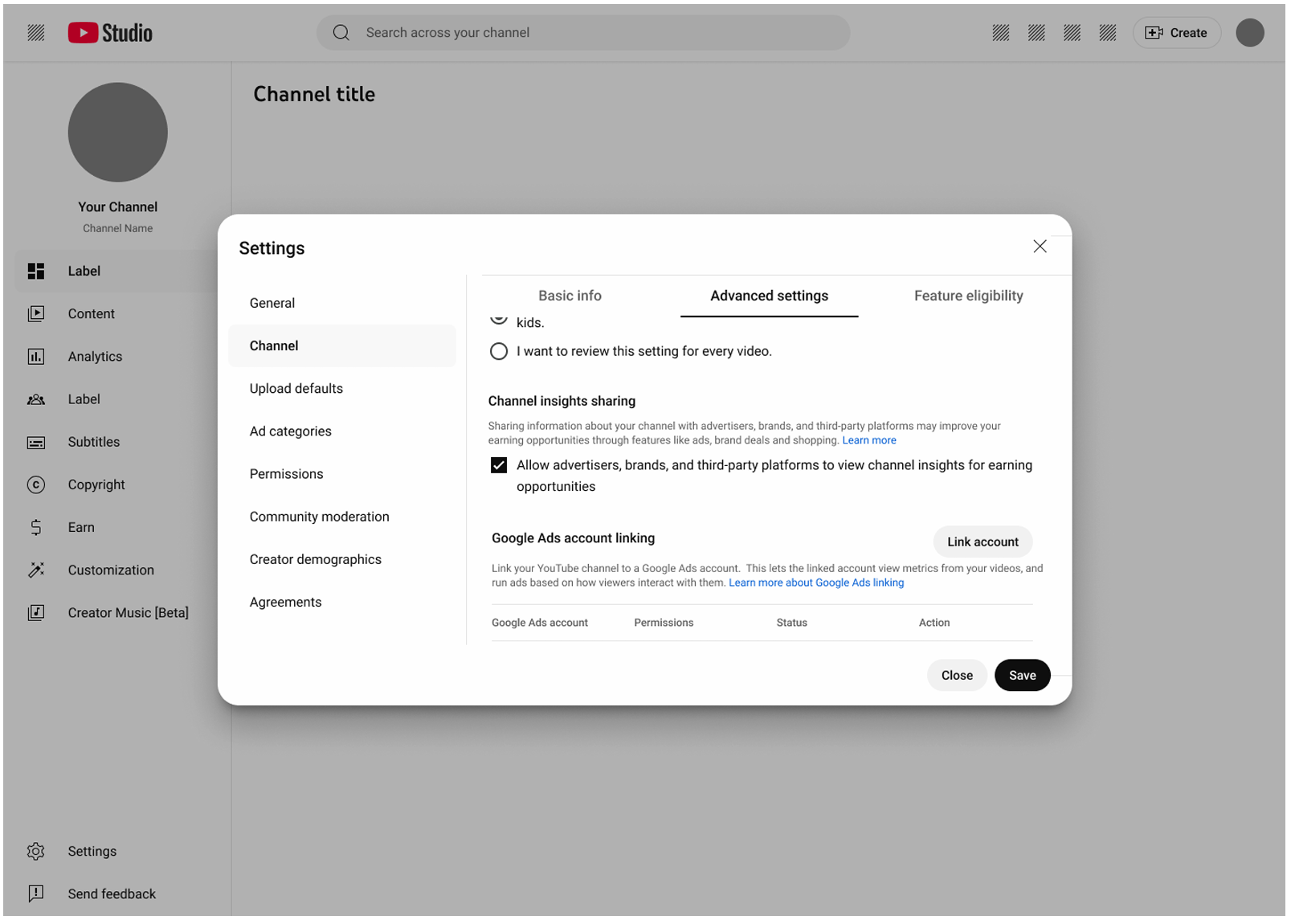
What should not be hidden are commissions, mark-ups or commercial arrangements that influence which creators get recommended.
Your partner deserves to make money. You deserve to know how they make it.
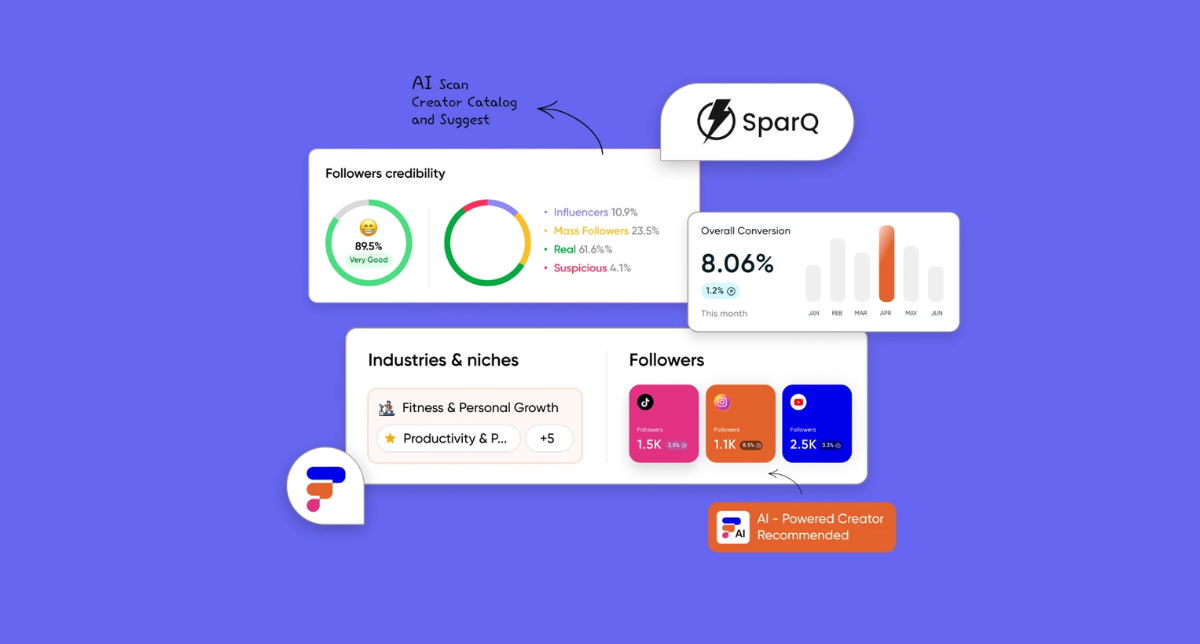
3. They call themselves a technology company without building technology
Almost anyone can connect a few AI tools, add a dashboard and call it a platform. That is not the same as building proprietary technology.
Ask who owns the intellectual property. Ask how many engineers work on the product. Ask what the technology can do that cannot be replicated with off-the-shelf software.
When you pay a premium for technology, it should deliver a genuine advantage. Not just a shinier interface.
4. Every campaign gets the same type of creator

Nano marketplaces will tell you nano creators are the answer. Talent agencies will tell you celebrities deliver the biggest impact.
Neither is always true.
Different creators perform different jobs. Some create awareness. Some build trust. Some educate, entertain or convert.
The best partner is not biased towards one creator tier. They are biased towards solving the objective.
5. They think creator marketing only happens on one platform
Consumers do not live on one platform. Neither should your strategy.
TikTok, Instagram, YouTube, Reddit, LinkedIn and Pinterest attract different audiences, encourage different behaviours and reward different creative formats.
A creator strategy should not begin with the platform your partner happens to specialise in.
It should begin with your audience.
6. They confuse expensive production with effective content
Creator marketing works because it does not feel like traditional advertising.
Yet some agencies are determined to turn it back into television.
Bigger crews, more expensive cameras and polished production do not automatically deliver better results. In many cases, they strip away the authenticity that made the creator valuable in the first place.
Creators can now produce exceptional work using a phone, CapCut and a garage.
Do not confuse production value with marketing effectiveness.
7. They only recommend creators they represent
When a partner only recommends creators from its own roster, you are not seeing the full market.
You are seeing its inventory.
Sometimes those creators will be the right fit. Sometimes they will not.
Creator selection should be driven by the brief, audience and objective — not by who generates the easiest commission.
And while you are asking questions, ask about paid amplification.
When creator content is not being considered alongside media, your partner is only solving half the problem.
8. They tell you organic reach is enough
.png)
Organic reach is brilliant when it happens.
It is not a strategy.
Platforms control distribution, and brands building campaigns around the hope of going viral are building around luck.
The stronger approach is to create good content with the right creators and support the strongest work through intelligent paid amplification.
When your partner says boosting is unnecessary, ask why.
9. They cannot connect activity to business outcomes
Creator measurement is difficult.
That does not mean impressions and engagement should be the final answer.
Can your partner demonstrate store visitation? Measure sales? Connect activity to brand lift? Show what happened after someone watched the content?
When they cannot connect creator activity to a business outcome, you still do not know whether the campaign worked.
You only know that it ran.
10. They confuse lots of creators with a creator strategy

Hiring 50 creators is not a strategy – hiring 500 creators is not one either.
The best creator campaigns feel like a single idea expressed through many different voices. There is a shared message, cultural insight or creative system connecting the work.
Creator marketing is not about filling a spreadsheet with names. It is about solving a business problem through people audiences already trust.
The creator economy is becoming more sophisticated every year.
Brands are investing more. Platforms are changing faster. AI is reshaping workflows. Compliance and measurement expectations are rising.
When your creator marketing partner is still selling campaigns the same way it did five years ago, there is a strong chance it is holding your business back.
The best partners do more than help brands hire creators. They help them build a creator marketing capability that competitors cannot easily replicate.
.jpg)
.png)
.png)
.jpg)


.jpg)
.jpg)
.jpg)
.jpg)
.jpg)

.jpg)






.png)
.png)









.png)
.png)
.png)
.png)
.png)
.png)
.png)
.png)
.png)
.png)
.png)
.png)
.png)
.png)
.png)
.png)
.png)
.png)
.png)
.png)