United States
 Australia
 United Kingdom
 Singapore
 Malaysia
 Thailand
 Indonesia



Alcohol influencer compliance now starts before a creator is briefed
New alcohol marketing guidance reveals why brands must consider age-gating, audience demographics and compliance capability before selecting creators.
Influencer compliance can no longer begin once the content lands in an approver’s inbox.
It begins when a creator is shortlisted.
A new Influencer Compliance guidebook - developed by the ABAC Scheme in collaboration with the Australian Influencer Marketing Council (AiMCO)- makes it clear that responsible alcohol marketing extends far beyond placing #ad on a post.
The guide exposes a ‘grey area’ for the creator economy: compliance is no longer a box brands can tick after the creative has been produced. It must influence who gets hired, where content appears and how the entire campaign is managed.
A free product can still create a compliance obligation

The absence of a formal contract does not necessarily mean the absence of a brand relationship.
According to the guide, if an alcohol or alcohol-alternative brand formally engages a creator or sends them a product in the hope that they will promote it, the ABAC Responsible Alcohol Marketing Code applies to communications they publish that reference that brand.
That includes paid partnerships and informal gifting arrangements.
This is important because product seeding is often treated differently from a conventional influencer campaign. A brand may send products to dozens of creators without controlling which of them post, what they produce or when the content appears.
The content might feel spontaneous, but that does not automatically place it outside the compliance framework.
Brands therefore need visibility beyond their contracted creator campaigns. Gifting lists, product seeding and informal creator relationships must also be considered when managing compliance.
Disclosure is only the beginning
The guide confirms that creators must conspicuously disclose their relationship with the brand through labels such as #ad or #sponsored.
But disclosure is only one part of the responsibility.
Alcohol marketing must not encourage excessive or rapid consumption, treat alcohol misuse as amusing, or present abstinence negatively.
It must also avoid suggesting that alcohol improves someone’s mood, creates social or professional success, or is needed to relax and overcome adversity.
Even familiar lifestyle narratives can create risk.
Content showing a drink as the reason a party became exciting, the reward that made a difficult day better or the ingredient needed for a successful social occasion may raise compliance concerns. The same applies to content connecting alcohol consumption with driving, boating, swimming or any other activity requiring alertness and physical coordination.
A post can therefore be clearly disclosed as an advertisement and still fail to meet the category’s content standards.
Organic content must also be age-restricted
One of the guide’s clearest messages is that age restriction is not only a paid-media requirement but also a necessity for organic.
Creators promoting alcohol or alcohol alternatives should activate available 18+ controls on organic posts, sponsored posts, paid advertising and other branded content.
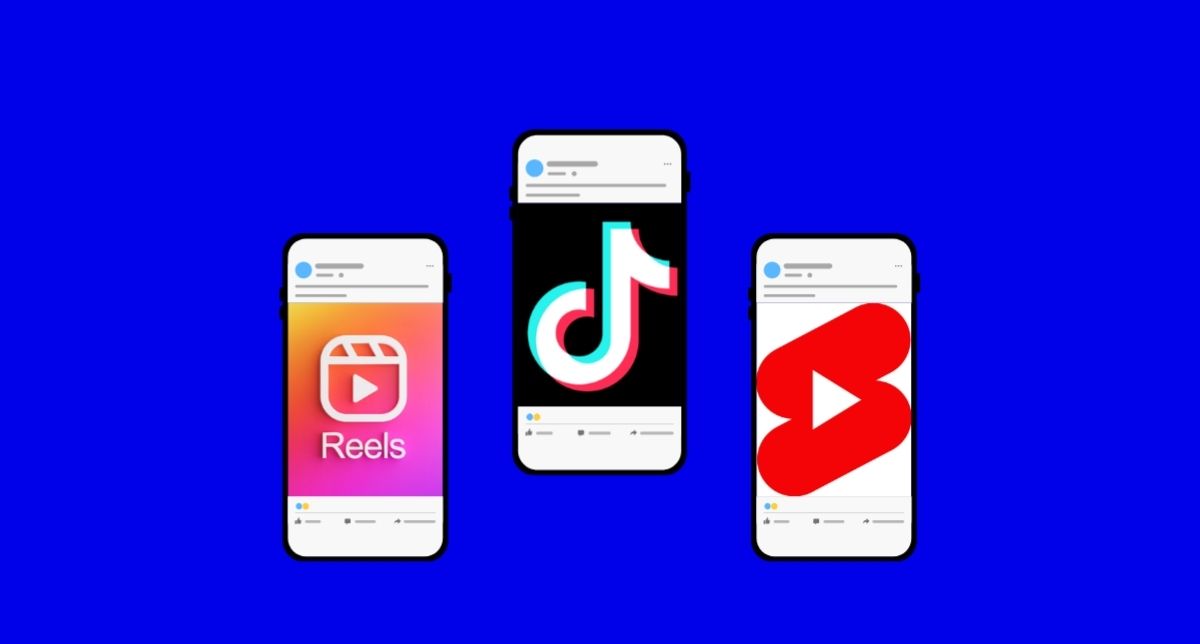
The guide provides platform-specific instructions for age-restricted organic content across Instagram, Facebook, YouTube, Reddit and TikTok.
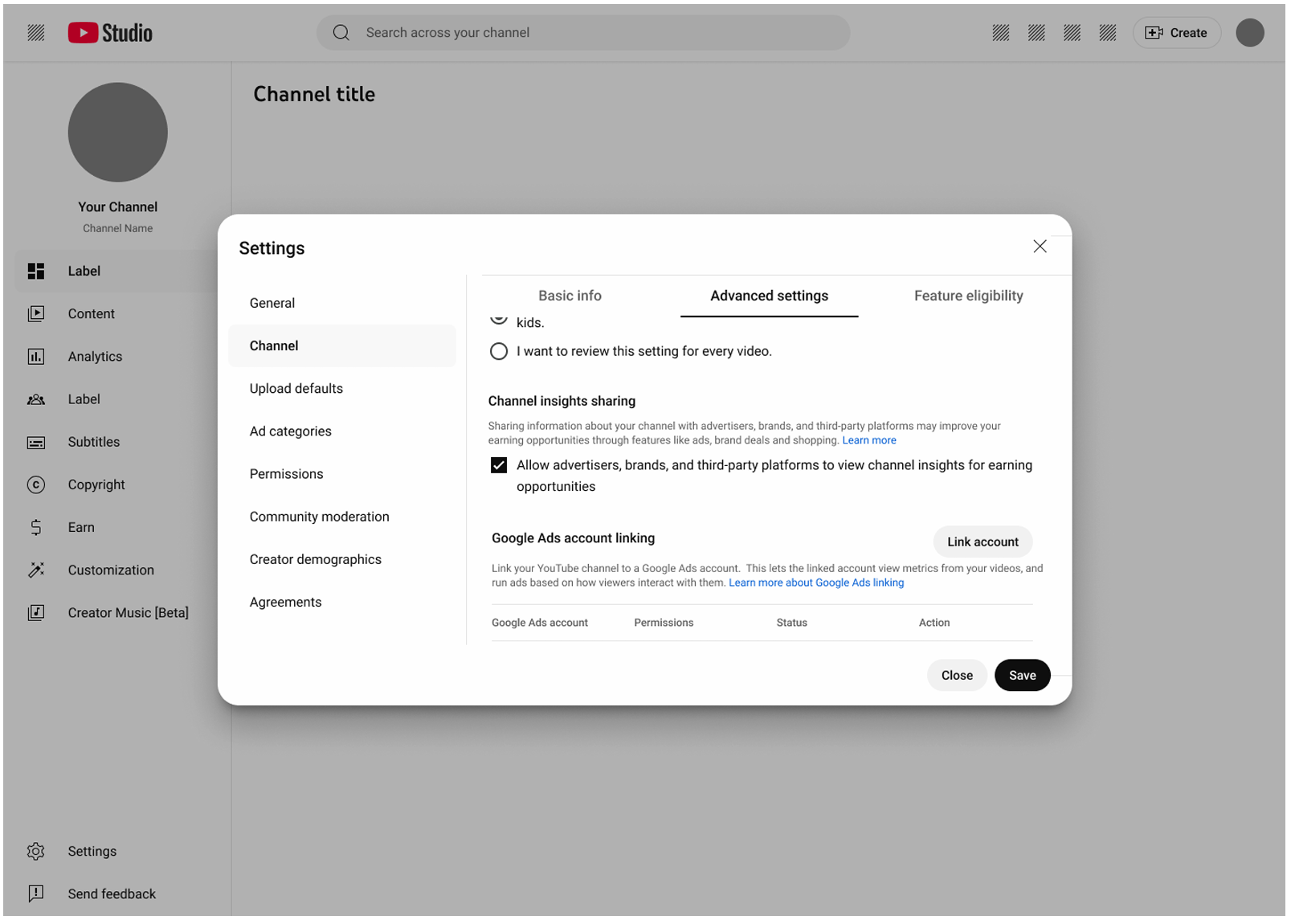
On Instagram, creators can apply audience restrictions through the platform’s paid-partnership tools. TikTok creators can activate audience controls for videos and livestreams, while YouTube creators must select the advanced option that restricts a video to viewers over 18.
Importantly, selecting “Not made for kids” on YouTube does not age-restrict a video. These are separate settings.
That distinction illustrates a wider challenge. Creators may understand how to produce compelling content on a platform without necessarily understanding every control required to distribute regulated advertising safely.
Brands cannot assume that publishing through a creator automatically transfers responsibility for the platform settings surrounding the post.
Audience data is becoming a compliance credential
Where a platform does not provide an age-restriction control, the guide says a creator’s following should be at least 80% adult, provided the brand is comfortable with the promotion appearing on that platform.
This gives audience data a new role in creator selection.
Demographic information has traditionally helped brands understand whether a creator reaches the right consumer. For alcohol campaigns, it can also help determine whether that creator or platform is appropriate to use at all.
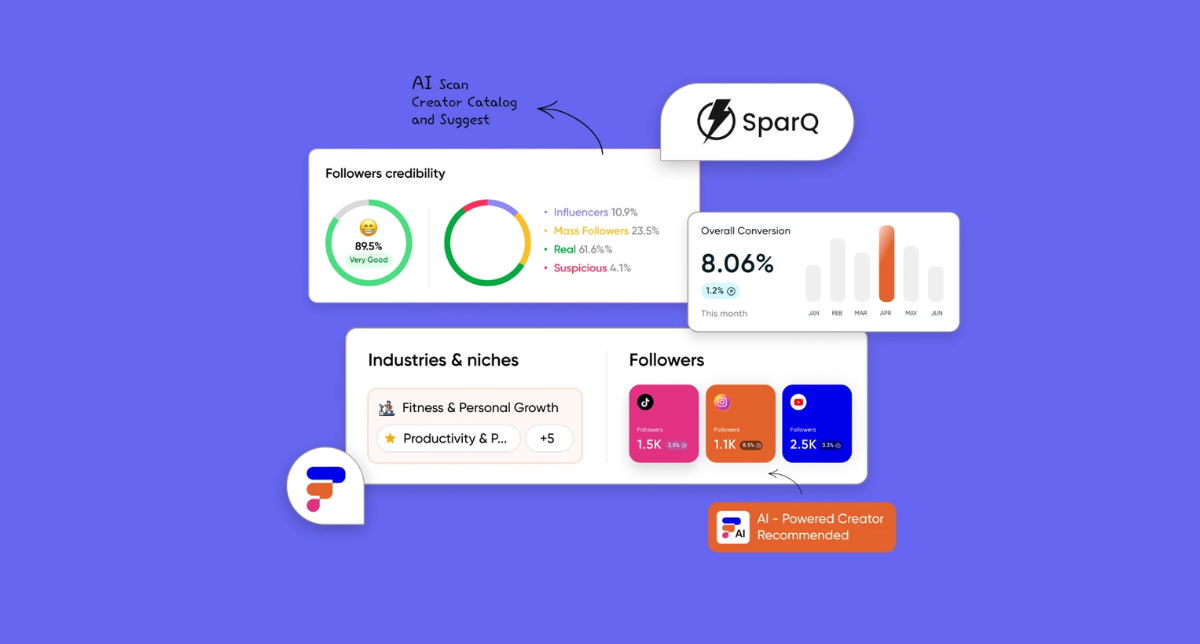
Brands may need to verify a creator’s audience age breakdown before confirming a partnership, alongside the creator's reach, engagement, creative quality, and category relevance.
The information must also be considered at a platform level. A creator’s Instagram audience may not have the same demographic composition as their TikTok or YouTube following.
The result is a more practical definition of creator fit. A smaller creator with a demonstrably adult audience and a strong understanding of platform controls may be a more suitable partner than a larger creator whose audience composition creates unnecessary risk.
The creator’s wider content still matters
Restricting an individual post to adults does not make every creator or content environment suitable for alcohol marketing.
The guide says alcohol and alcohol-alternative promotions should not be placed alongside content primarily aimed at people under 18. Marketing must also avoid imagery, language, activities, games, animations or characters that have a strong or evident appeal to minors.
This means brands need to assess more than the proposed post.
A creator may have an overwhelmingly adult audience but regularly produce content with themes or creative devices that are particularly attractive to younger users. Another creator may have a suitable tone but feature people whose age or appearance creates additional compliance complications.
Creator vetting, therefore, requires a broader view of their content ecosystem - not just a demographic snapshot and their most recent branded post.
Alcohol-free does not equal compliance-free
The guide does not apply exclusively to conventional alcoholic drinks.
It also covers products at or below 0.5% alcohol by volume that share the branding, appearance, or style of alcohol, adding non-alcoholic beer, wine, and spirits to the list
That is an important distinction as alcohol brands expand their zero-alcohol ranges and use creators to introduce these products to new audiences and consumption occasions.
A drink containing little or no alcohol cannot necessarily be promoted as though it were an ordinary soft drink. Its branding, packaging and relationship with the broader alcohol category still matter.
For marketers, the lesson is straightforward: removing alcohol does not automatically eliminate marketing obligations.
How can brands balance creator fit and compliance?
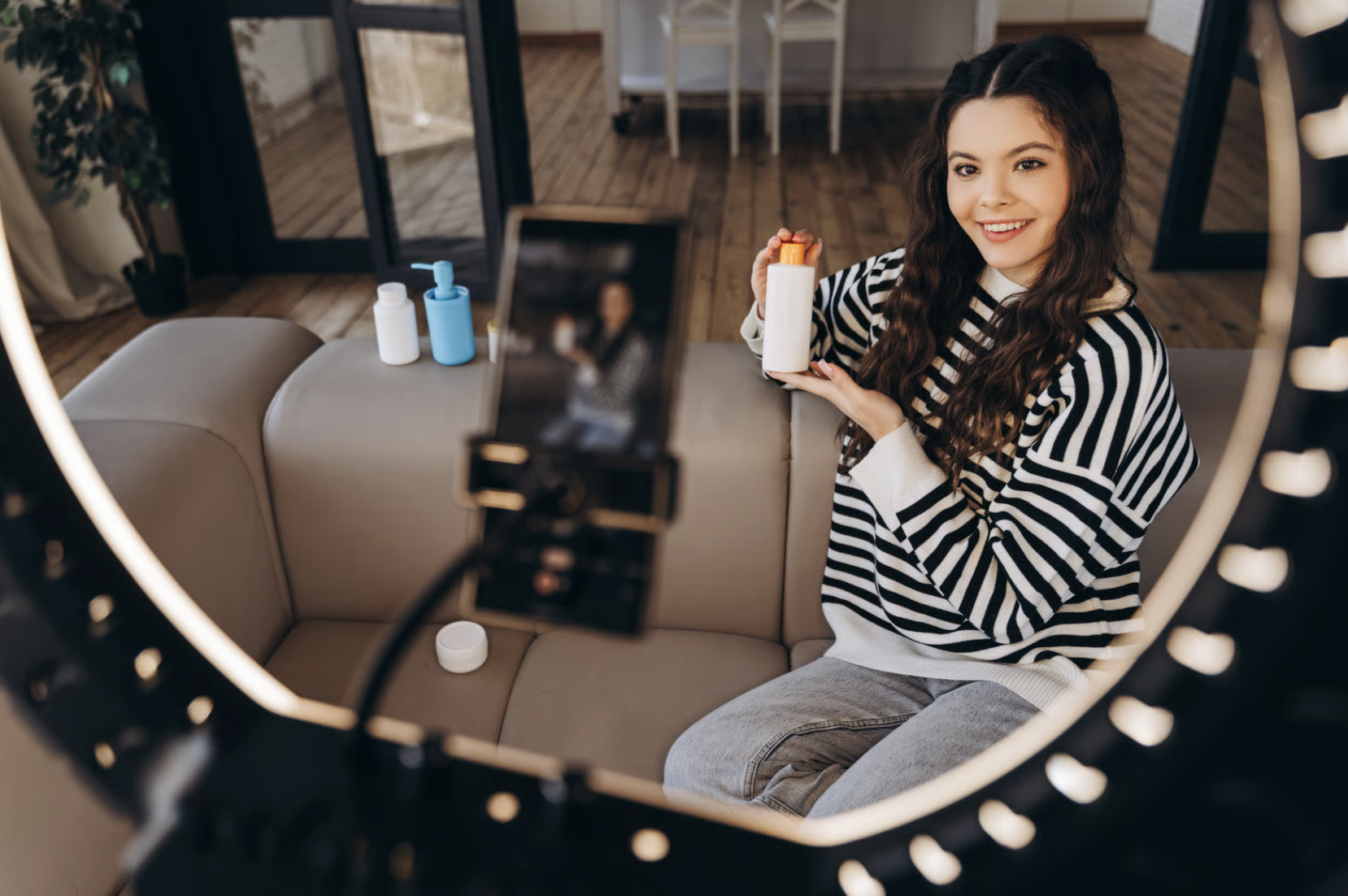
Fabulate’s Nathan Powell said creator selection is no longer simply about finding the right audience, engagement rate or creative style.
“The biggest shift is that compliance becomes part of creator suitability, not something assessed after a creator has been chosen,” Powell said.
The guide makes clear that brands are responsible for marketing produced by creators they engage, whether through a paid partnership or a gifting arrangement. This means brands need to conduct broader due diligence before bringing a creator into a campaign.
Alongside audience relevance and creative quality, brands should consider the creator’s age, previous content, any history of irresponsible alcohol-related behaviour, whether their audience is primarily adult and whether they can activate the appropriate platform age restrictions.
“A creator who consistently understands regulated categories, knows how to use age-gating tools, discloses partnerships correctly and has experience working within compliance frameworks reduces campaign risk before a brief is ever written,” Powell said.
“In the same way brands evaluate creative quality or audience relevance, they should assess whether a creator has demonstrated that they can consistently execute compliant campaigns.”
However, making compliance part of creator fit does not mean removing the creative freedom that makes creator marketing effective.
Compliance requires a workflow, not simply a checklist
Powell said compliance should be designed into the campaign workflow rather than treated as a final approval step.
Brands should clearly communicate content and placement requirements before work begins, provide creators with ABAC guidance, encourage them to complete ABAC training, and require that communications be submitted for pre-approval.
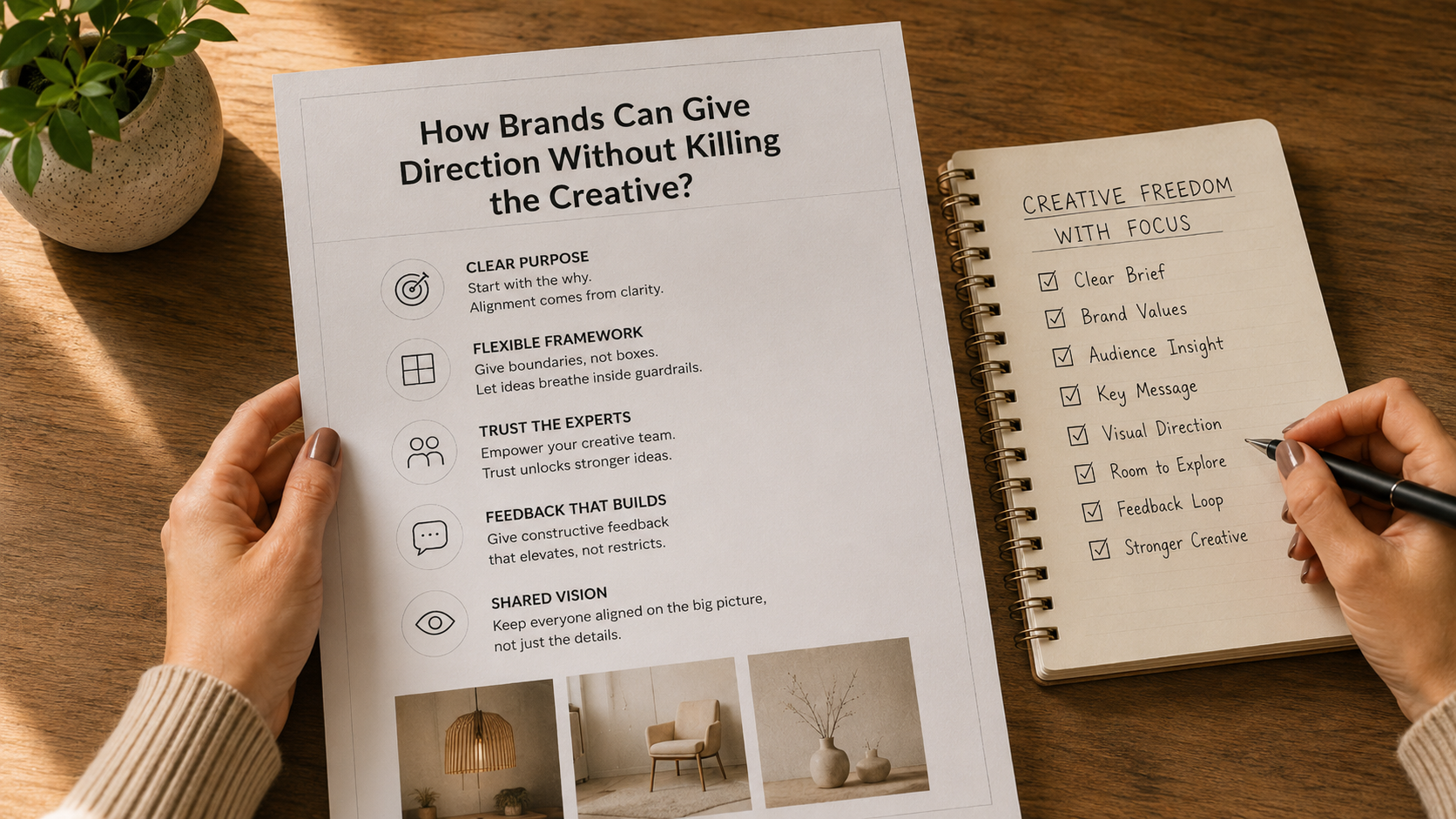
The brief should establish the guardrails without prescribing every creative decision.
Brands can define non-negotiable requirements - including the responsible portrayal of alcohol, mandatory disclosures, adult-audience requirements and platform age restrictions - while leaving the storytelling, tone and creator voice in the hands of the creator.
“The content checklist effectively becomes the creative boundary within which creators have the freedom to develop authentic content,” Powell said.
Brands should also continue monitoring activity throughout the campaign rather than relying on a single review before publication.
“The most effective compliance processes are preventative rather than reactive,” Powell said.
“If creators understand the rules from the outset and brands build those requirements into briefing, creator selection and approval workflows, compliance becomes part of the creative process instead of an obstacle that appears just before content goes live.”
.jpg)
.png)
.png)
.jpg)




.jpg)
.jpg)
.jpg)
.jpg)

.jpg)

.jpg)







.png)
.png)













.png)
.png)
.png)
.png)
.png)
.png)
.png)
.png)
.png)
.png)
.png)
.png)
.png)
.png)
.png)
.png)
.png)
.png)
.png)
.png)