United States
 Australia
 United Kingdom
 Singapore
 Malaysia
 Thailand
 Indonesia


Episode 22: Can Influencer Marketing Actually Be Measured?
Influencer marketing investment is growing, but can marketers actually prove what it's delivering? In this episode, the team explores why there is no single metric for creator marketing success, how brands can build measurement frameworks around real business objectives, and why AI, closed-loop attribution and predictive analytics are shifting measurement from reporting what happened to predicting what will work next.
In Episode 22 of Influencing Outcomes, Eliza Lewis steps into the host's chair, joined by Ben Gunn and Terri Owens, to tackle one of the biggest questions facing creator marketing today: can influencer marketing actually be measured properly?
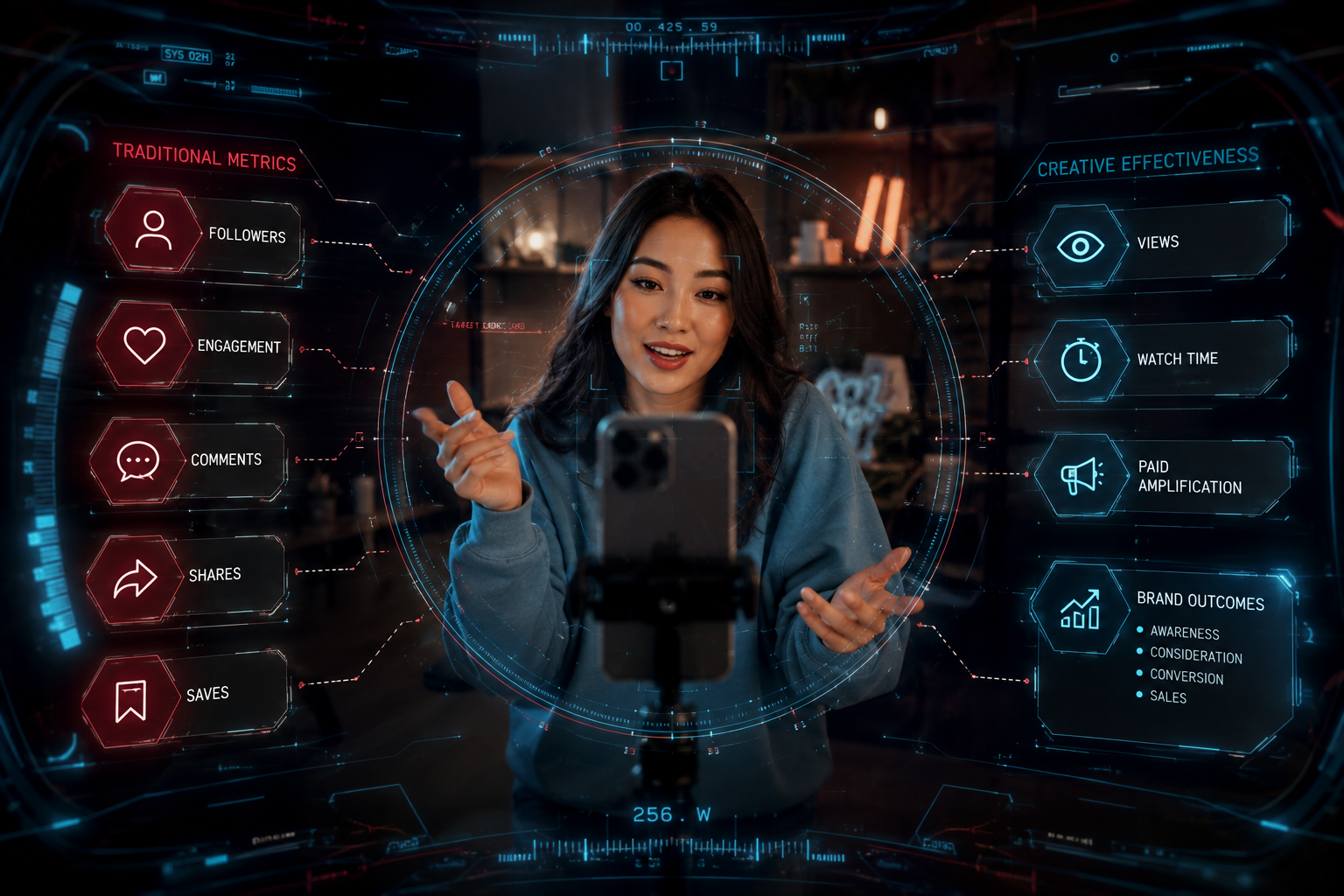
As investment in the channel grows, so too does the expectation for accountability. The discussion explores why influencer marketing has historically been difficult to measure, why traditional metrics like reach and engagement only tell part of the story, and why marketers need to match measurement frameworks to the business outcomes they're actually trying to achieve.
Rather than searching for one perfect influencer marketing metric, the episode asks a more useful question: what decision are we trying to make, and what combination of signals will give us the confidence to make it?
There's No Single Metric for Influencer Marketing Success
Influencer marketing can do many different jobs.
It can build awareness, shape perception, create culture, generate consideration and drive sales. Expecting one metric to capture all of those outcomes is like measuring every TV campaign purely on website clicks.
The challenge isn't that influencer marketing has too many metrics. It's that marketers have often applied the wrong metric to the wrong objective. An awareness campaign shouldn't be judged solely on last-click conversions, just as a performance campaign needs to go beyond reach and impressions.
The starting point should always be the business objective. Once that's clear, marketers can determine whether reach, attention, search lift, website behaviour, sales, brand lift, incrementality or another signal provides the best measure of success.
Measurement Needs a Framework, Not Another Dashboard
As measurement becomes more sophisticated, brands need to think about maturity rather than simply adding more dashboards.
The episode outlines five stages of measurement maturity. It starts with whether people saw the content, before progressing to whether they cared, whether they acted and whether the campaign changed a meaningful business outcome. The fifth and most advanced stage asks an entirely different question: can we predict what happens next?
That progression changes measurement from a collection of campaign metrics into a framework for understanding effectiveness.
Rather than expecting one methodology to tell the entire story, brands can combine platform data, first-party data, retail outcomes, search behaviour and other signals to build a clearer picture of what's working and why.
AI Is Turning Measurement Into Decision Intelligence
Historically, measurement has been backwards-looking. Campaigns run, marketers collect data, spreadsheets are combined and reports explain what happened.
AI has the potential to change that model.
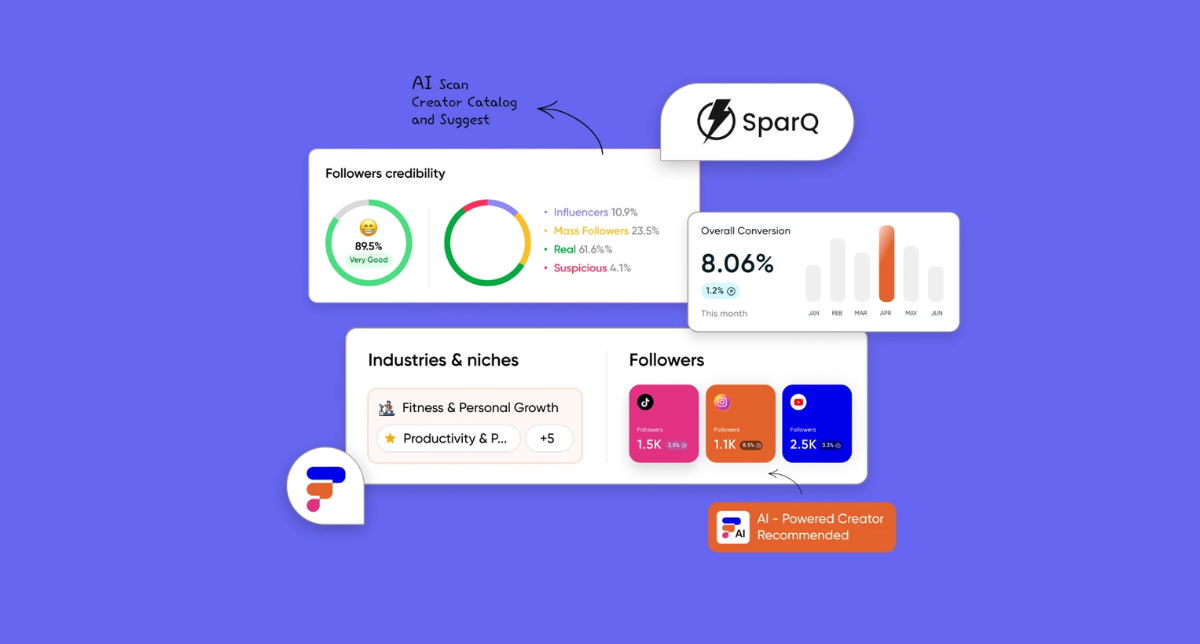
By connecting data across creators, platforms, CRM systems, e-commerce, search and media spend, measurement systems can begin identifying patterns humans would struggle to find manually. Instead of simply reporting performance, they can help explain why one creator, creative format or audience performed better than another.
That turns measurement into decision intelligence. The opportunity isn't another dashboard. It's technology that helps marketers understand what contributed to an outcome and what they should do differently next time.
The Future of Measurement Is Predictive
By 2030, the panel predicts marketers could spend far less time measuring campaigns and far more time making decisions.
Instead of opening multiple dashboards and manually piecing together performance, AI could continuously connect campaign data and recommend what happens next. That might mean identifying which creator to use again, which creative hook is driving stronger attention or where budget should be shifted while a campaign is still live.
Eventually, those insights could arrive before the campaign even begins. Marketers could understand which creators are most likely to deliver against an objective, which formats will hold attention and which audience combinations are most likely to generate incremental sales.
The goal isn't measurement for measurement's sake. It's better marketing outcomes. Start with the business objective, match it to the right measurement framework, and let technology handle more of the complexity so marketers can focus on what to do next.
Follow, Subscribe and Stay Connected
Enjoyed the episode? Follow Influencing Outcomes on your favourite podcast platform so you never miss an update.
For more insights, industry trends and behind-the-scenes content:
Follow Fabulate on socials: LinkedIn | Instagram | TikTok | YouTube | Facebook

.jpg)
.png)

.png)
.jpg)


.jpg)
.jpg)
.jpg)
.jpg)

.jpg)


.jpg)








.png)
.png)











.png)
.png)
.png)
.png)
.png)
.png)
.png)
.png)
.png)
.png)
.png)
.png)
.png)
.png)
.png)
.png)
.png)
.png)
.png)
.png)