United States
 Australia
 United Kingdom
 Singapore
 Malaysia
 Thailand
 Indonesia


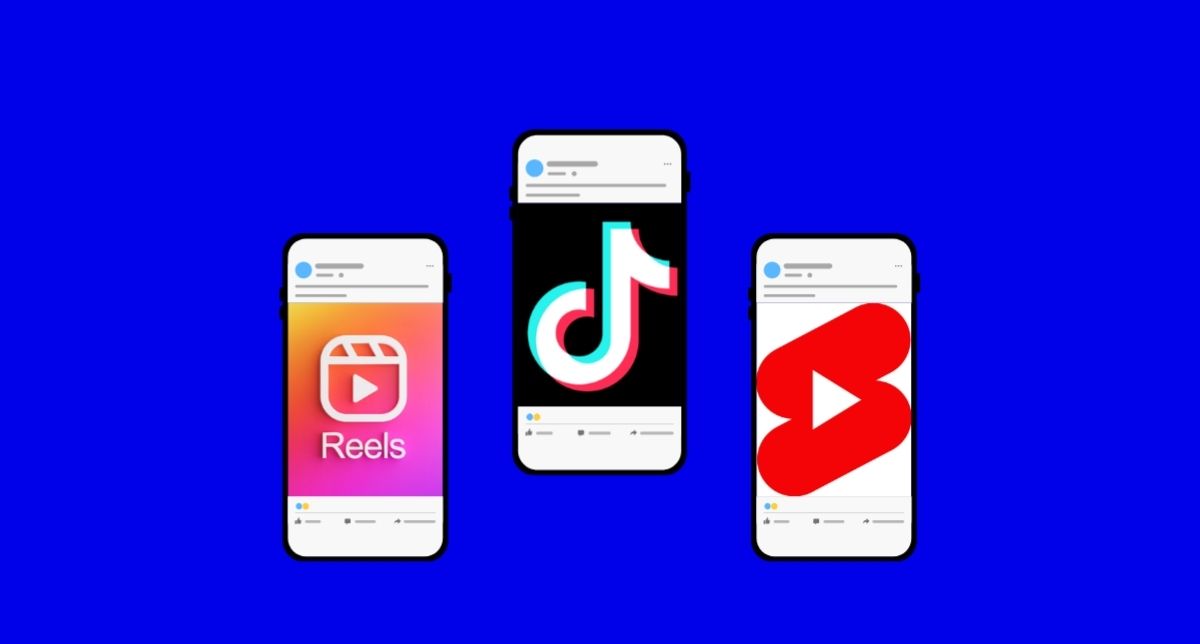
TikTok, Reels and Shorts do different jobs. Brands need to measure them differently.
TikTok, Reels and Shorts may share a format, but not a strategy. Here’s how audience intent, algorithms and measurement differ across platforms.
Repurposing the same short-form content for TikTok, Reels and Shorts is one of the most common mistakes in creator marketing.
On the surface, it sounds perfectly reasonable; Vertical video has become the default format across every major social platform, so why wouldn’t the same creator asset work everywhere?
Because while the video may be the same shape, the platforms are solving completely different problems.
The same creator can publish the same message across all three and see completely different results because audiences arrive with different expectations — and each recommendation system is looking for different signals.
The next evolution is understanding that vertical video is simply the format. Platform strategy is something entirely different.
So, let's unpack the strategy.
The platform is deciding why people see the content
The algorithm is not only deciding who receives a creator video. It is also deciding why that person is likely to care.
Someone opening TikTok may be looking to be entertained, to spectate a cultural conversation, or to discover something they did not know existed.
That same person may open Instagram to keep up with creators, friends and communities they already recognise or follow.
On YouTube, they may be actively researching which product to buy, learning how something works or comparing one option against another.
The creator has not changed. The audience mindset has.
That is why the same hook, edit and call to action cannot be expected to execute the same job everywhere.
1. TikTok churns curiosity into discovery
.jpg)
TikTok’s greatest commercial strength is not simply its ability to generate views. It is its ability to introduce people to products, ideas, and communities they were not actively seeking.
TikTok describes curiosity as a new form of currency. Two in three TikTok searchers say a central reason they use search on the platform is to discover useful things beyond what they originally intended to find.
That is what makes the consumer journey on TikTok so difficult to map, and so commercially powerful.
Someone can begin by watching a skincare routine, move on to videos about a specific ingredient, discover a creator reviewing a product and end up considering a brand they had never heard of minutes earlier.
The journey is not linear. It is a series of curiosity detours.
For brands, that means TikTok creative needs to earn attention before it can deliver information. The strongest opening may not immediately explain the product. It creates enough intrigue, entertainment or cultural relevance to pull the viewer deeper into the story.
TikTok is not only where demand is captured. It is where demand can be created.
2. Instagram brings relationships back into discovery
.jpg)
Instagram Reels also uses algorithmic recommendations, but it sits inside a platform still shaped by relationships.
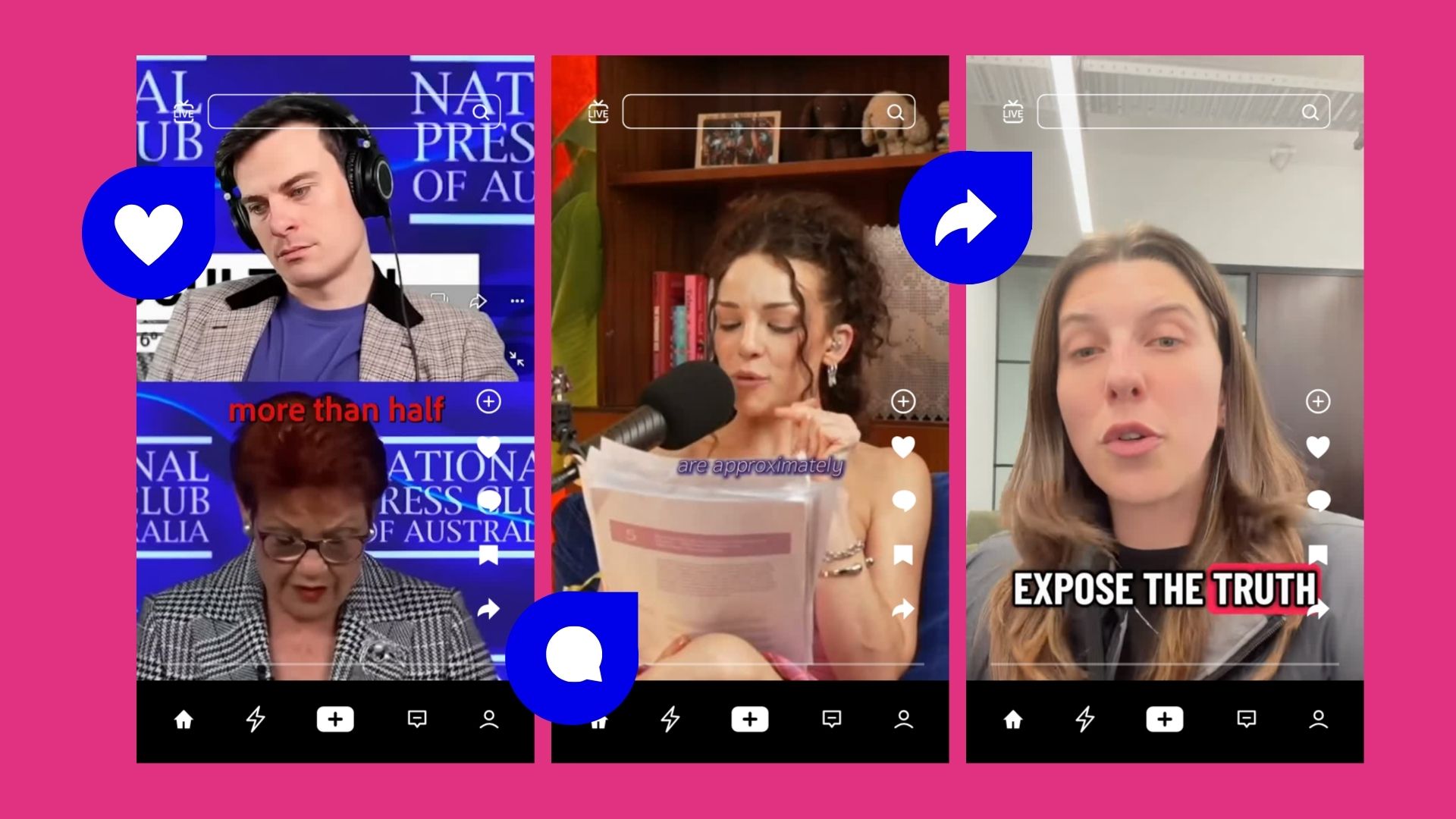
People do not only encounter content through a recommendation feed. They receive it from friends, share it in direct messages, revisit creators they already follow and use social proof - liking, sharing, reposting, or commenting - to decide what deserves attention.
Reels are shared billions of times every day. That behaviour matters because sharing is not simply an engagement metric. It is a form of endorsement.
When someone sends a Reel to a friend, the content no longer arrives solely from an algorithm. It arrives through an existing relationship.
Meta is also bringing those relationships more directly into the recommendation experience through features that show when friends have interacted with a Reel and encourage conversations around it.
That creates a different opportunity for creator marketing.
TikTok may introduce the product. Instagram can make it feel familiar.
Repeated creator exposure, lifestyle integration, saves, shares and conversations can reinforce trust over time. The campaign may not depend on one explosive moment. It may work through recognition built across multiple touchpoints.
Instagram is not simply another discovery engine. It is discovery shaped through relationships.
3. YouTube Shorts is not the short-form leftovers bin
.jpg)
YouTube Shorts may be the most misunderstood platform in creator marketing. For many brands, it is still treated as the final step in the workflow.
TikTok is complete. The Reel has been approved. Someone remembers to upload the exact same file to Shorts.
That dramatically underestimates what YouTube has become.
Shorts now generate more than 200 billion daily views. But their real value is not only scale.
Unlike TikTok or Instagram, Shorts sits within a much larger ecosystem that includes long-form video, livestreams, podcasts, connected television, and search.
Showing interest in a short snippet might prompt you to watch the creator's full video and click the subscribe button.
Long before marketers began discussing social search, YouTube had already become a place people visited for answers.
They want to know which running shoes to buy. Whether a new phone is worth upgrading to or how to install a car seat.
That is a very different mindset from opening a feed to see what is happening today.
A Short might introduce a product. A longer video can explain why it matters. Another video compares it with the competition.
A subscriber stays for the creator’s next recommendation.
The Short is not necessarily the entire journey. It can be the front door.
Research cited by Google found that 40% of Shorts viewers do not use TikTok or Instagram Reels, meaning YouTube can reach audiences brands may not find elsewhere.
Another Google-commissioned study found that 67% of viewers considered YouTube creator content the most likely to influence their product research or purchase decisions.
Google has also reported that Creator Partnership Ads delivered up to 20% higher conversions on Shorts than advertiser-only creative, while a Nielsen marketing-mix analysis commissioned by Google found YouTube generated 2.3 times higher long-term return on advertising spend than paid social.
Shorts should not be viewed as another destination for a vertical file. They should be viewed as an entry point into one of the world’s largest content and search ecosystems.
One idea does not require one execution
Treating the platforms differently does not mean brands need to commission three completely unrelated campaigns.
The strongest approach starts with one strategic idea and gives creators enough flexibility to adapt it.
The story can remain consistent, but the execution should change.
TikTok may need a sharper hook that earns attention immediately; Instagram may benefit from greater familiarity, community context or lifestyle integration; YouTube may require additional explanation, product detail or a pathway into longer-form content.
But even small adaptations can determine whether a video feels native or simply recycled.
Creators already understand many of these nuances because they live inside the platforms every day. Brands lose that value when they treat creators as distribution points for an identical asset rather than creative partners who understand audience behaviour.
Measurement should follow the job
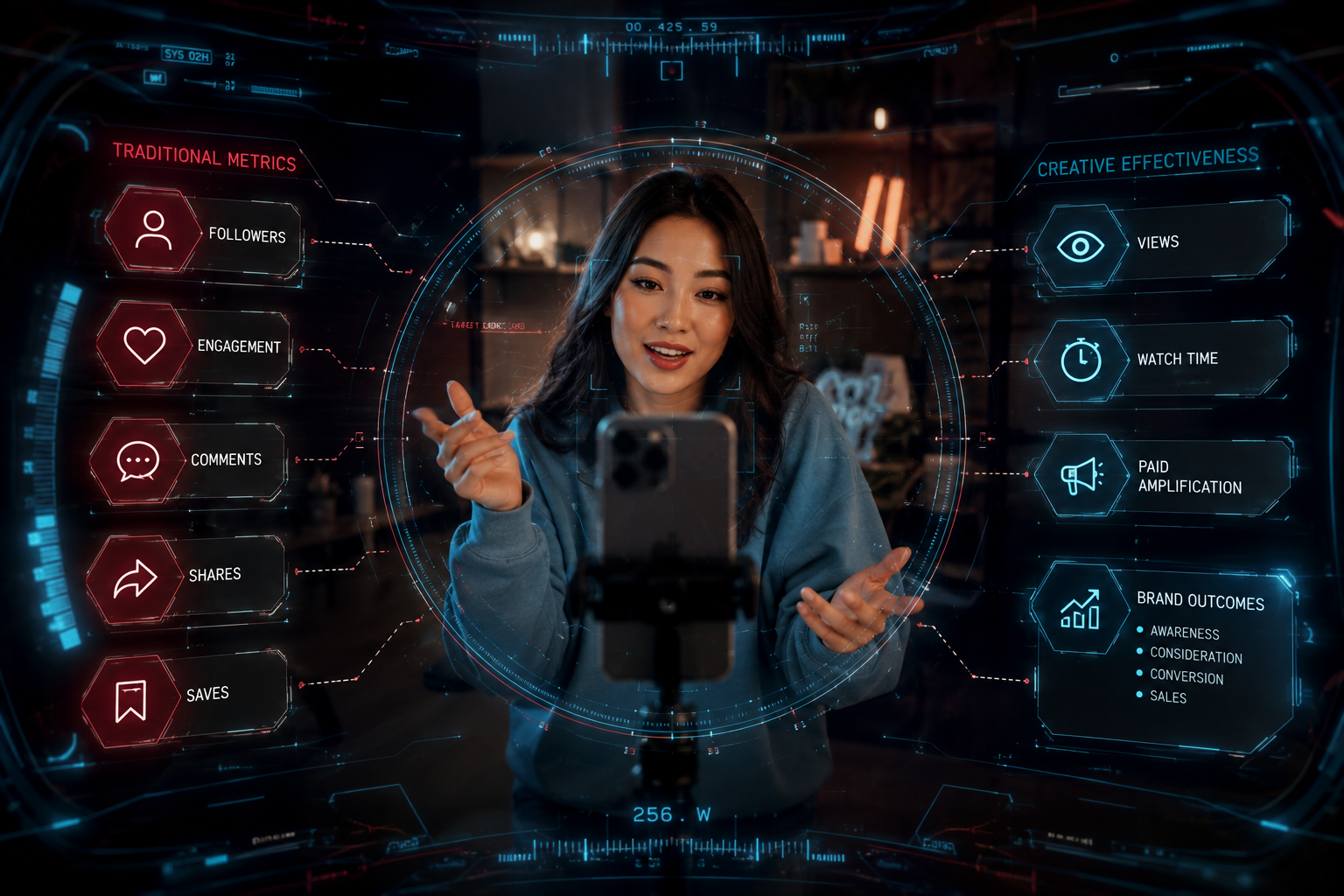
Brands also need to stop applying identical reporting windows and success metrics across every short-form platform.
- TikTok: a view = 1 sec of autoplay (3 sec if the video's over 3 min) — basically an impression. The real signal is "Focused View": 6+ seconds watched (or full video if under 6 sec) or a genuine engagement in the first 6 seconds, excluding first-second accidental taps.
- Instagram Reels: a view = the instant playback starts, tap or autoplay, no minimum time, and replays count each time again. No public "engaged" tier exists on the organic side — on the ads side, Meta uses ThruPlay: watched to completion or 15 continuous seconds, whichever's first.
- YouTube Shorts: since March 2025, a view = any start/replay/scroll-past, no minimum time (now matches TikTok/Reels). The old standard — a few seconds of actual watching — still exists, just renamed "engaged views," and that's what still drives monetisation.
The right measurement framework begins by deciding what job the platform was expected to perform.
Bottom line is simple: every platform now has a near-zero "reach" view for the headline number, and a separate, higher-bar metric (focused/engaged/ThruPlay) that's the real proxy for attention.

.jpg)
.png)
.png)
.jpg)

.jpg)
.jpg)
.jpg)
.jpg)

.jpg)

.jpg)







.png)
.png)











.png)
.png)
.png)
.png)
.png)
.png)
.png)
.png)
.png)
.png)
.png)
.png)
.png)
.png)
.png)
.png)
.png)
.png)
.png)
.png)