United States
 Australia
 United Kingdom
 Singapore
 Malaysia
 Thailand
 Indonesia



AI is ending influencer marketing’s era of unnecessary uncertainty
AI is ending influencer marketing’s era of unnecessary uncertainty, helping brands make smarter creator decisions through better data, prediction and automation.
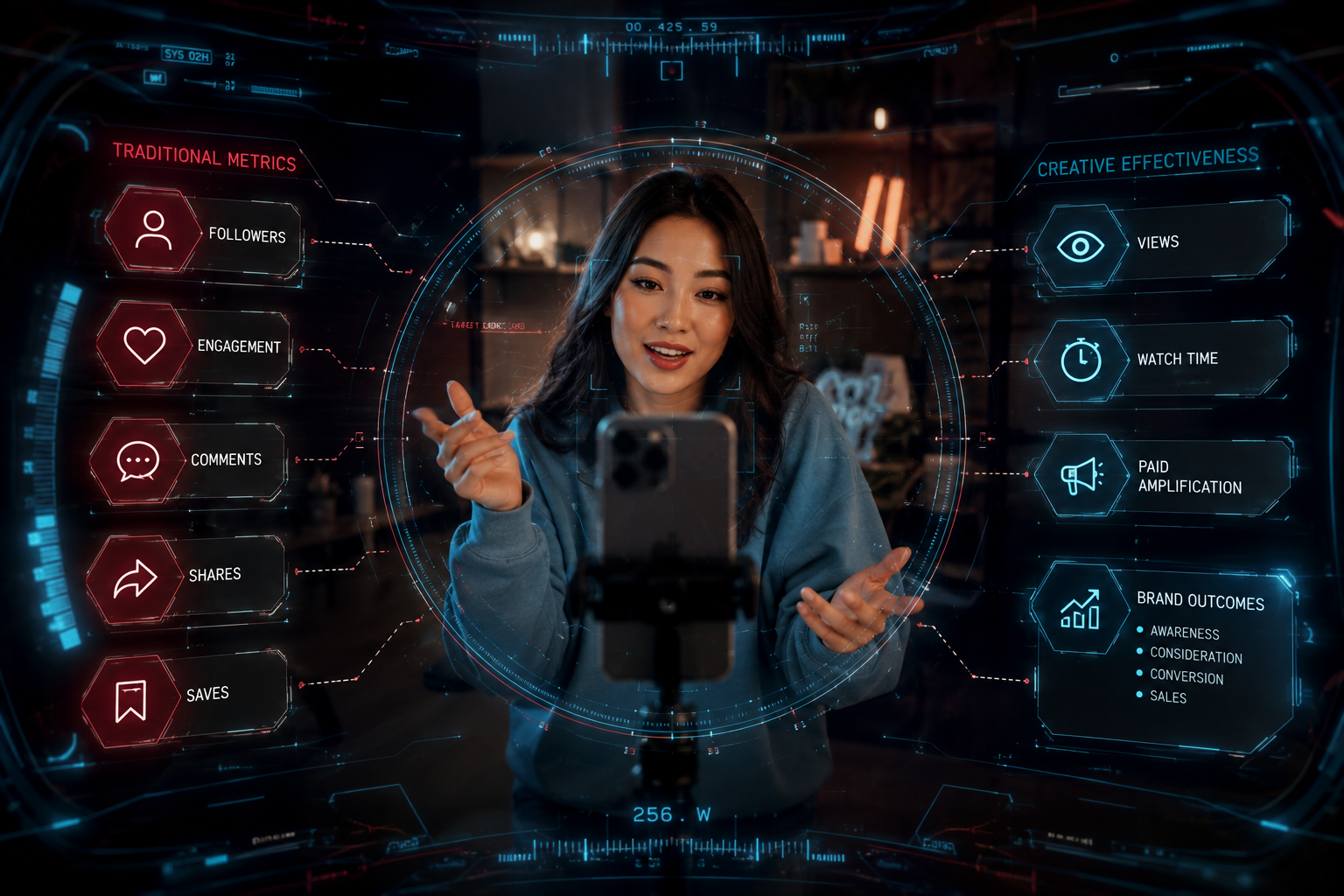
Creator marketing has spent years running on a mixed model of follower counts, engagement rates, screenshots and gut feel.
Sometimes it worked. Sometimes it did not. And when a campaign underperformed, marketers were often left without enough evidence to explain why.
AI has transformed that model.
What it's best for is to remove much of the unnecessary uncertainty that exists before a decision is made. The shift is not from ‘guesswork’ to certainty. It is from instinct alone to instinct backed by evidence.
Instead of asking "Who has the biggest audience?", marketers are asking the better question: "Who is statistically the best fit for this specific campaign?"
Is AI really ending creator marketing guesswork?
Not entirely.
Marketing will always involve human behaviour, and human behaviour will never be perfectly predictable. Culture moves quickly, audiences respond differently, and creators can produce work that performs far beyond what historical data suggested.
But creator marketing no longer needs to rely solely on blunt signals.
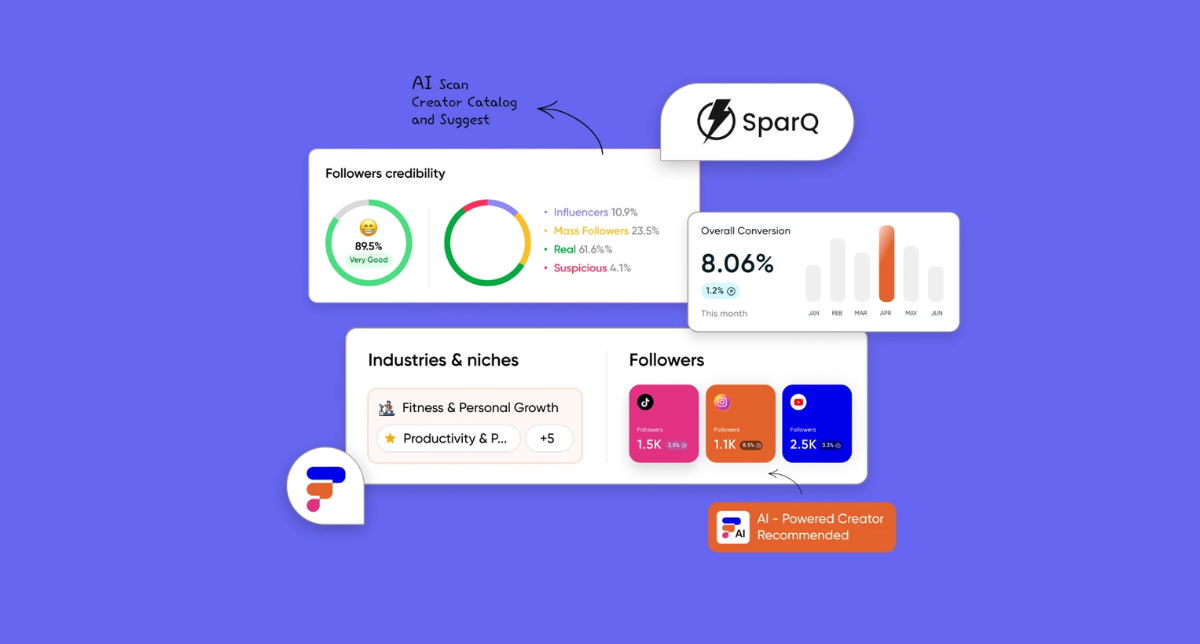
At Fabulate, we have built AI directly into creator workflow. Rather than simply searching for creators, marketers can assess multiple signals simultaneously, including:
- Audience similarity
- Brand fit
- Historical performance
- Category relevance
- Cultural alignment
- Audience authenticity
- Brand-safety risks
AI does not need to make the final decision. Its job is to ensure marketers reach that decision with better evidence than before.
What do followers and engagement fail to reveal?
.png)
At Fabulate, we've been saying this for a while;
But neither tells you whether that creator is right for your brand.
A creator can have a large, active audience and still be a poor fit for the campaign. Their followers may not resemble the brand’s target customer. Their content style may conflict with its positioning. Their previous partnerships may also have trained audiences to ignore product recommendations.
AI can peek deeper.
It can help brands:
- Compare a creator’s audience with their ideal customer
- Identify overlap with existing customer groups
- Analyse performance across similar campaigns
- Benchmark creator pricing
- Assess audience authenticity
- Understand existing brand affinity
- Predict whether content is likely to meet the campaign objective
It can also move beyond conventional audience metrics.
Fabulate’s SparQ Brand Safety engine analyses imagery, video, speech, captions and surrounding context to identify risks that traditional keyword matching may miss.
Those are not interchangeable assessments.
One asks:
Is this creator safe?
The other asks:
Is this creator right?
For marketers, the second question is often far more commercially valuable.
Can AI predict creator performance?
Prediction has improved because creator intelligence is no longer limited to publicly visible metrics.
When authenticated platform data is combined with historical campaign performance, audience insights and AI models, brands can begin forecasting which creators are more likely to deliver against an objective before the content is produced.
Predictive models can help marketers:
- Optimise creator selection
- Estimate likely campaign performance
- Forecast potential outcomes
- Recommend budget allocation
- Identify creators with a higher probability of success
But prediction still has limits.
AI understands patterns. It does not always understand moments.
It cannot perfectly anticipate when a creator will publish the piece of content that suddenly captures culture. Nor can it fully predict when an unexpected event will change the conversation around a category overnight.
That unpredictability is part of what makes creator marketing powerful.
Predictive AI should therefore be understood as a tool for narrowing uncertainty, not eliminating it. It improves the probability of success without removing the creative unpredictability that produces breakthrough work.
What should marketers automate first?
The best place to start is often with the work marketers least enjoy doing.
That includes:
- Creator discovery
- Brand-safety screening
- Audience validation
- Brand-fit analysis
- Compliance checking
- Rate benchmarking
- Outreach and follow-ups
- Contracting and payments
- Content approvals
- Performance reporting
These are repetitive, data-heavy workflows that technology can complete consistently and at far greater scale.
Fabulate’s Compliance Check can review creator content against campaign briefs, brand guidelines and regulatory requirements before it reaches a human approver.
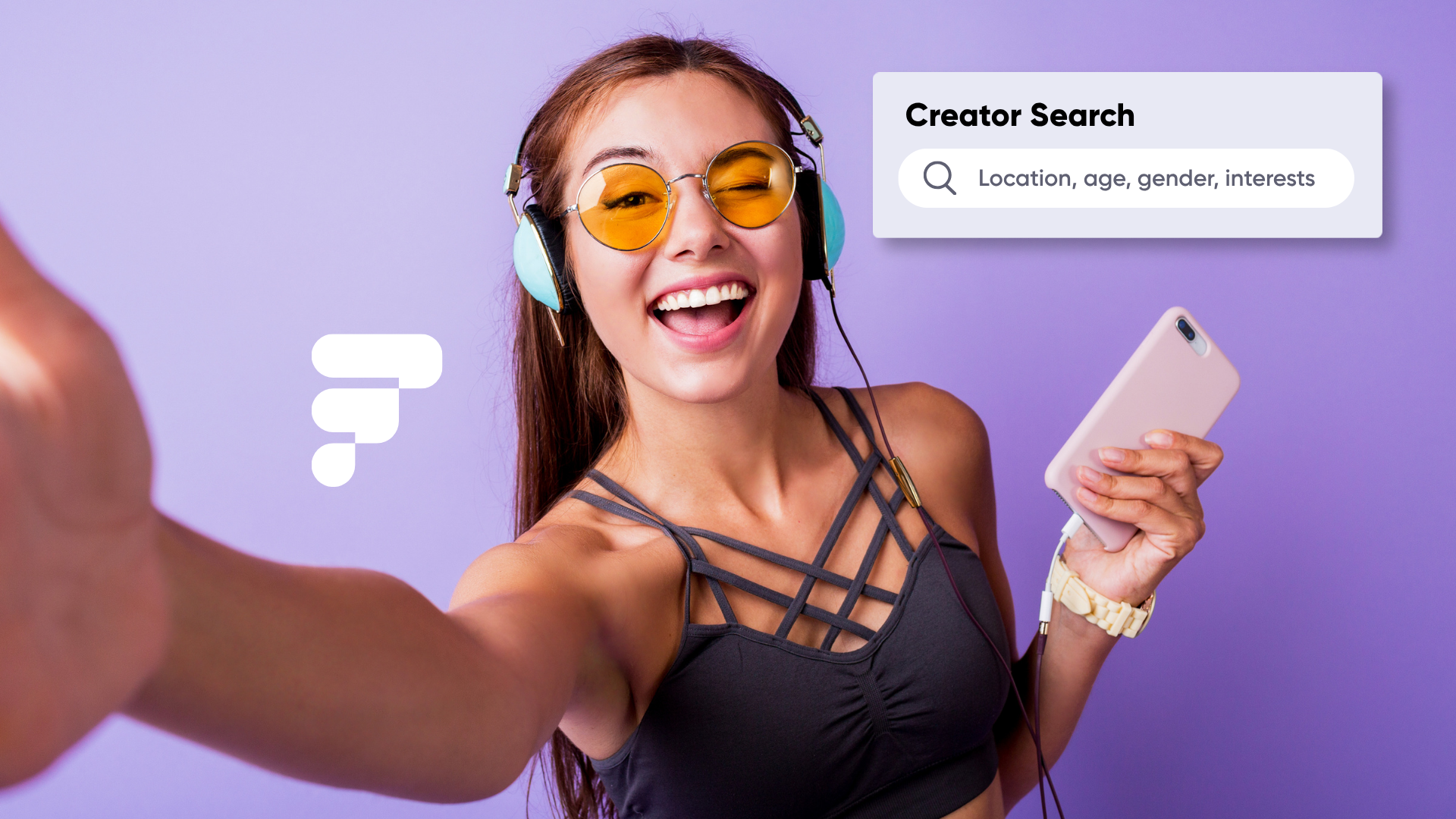
Creator AI Search can reduce days of manual research by ranking potential partners against campaign objectives instead of simply returning a long list of profiles.
That is where the biggest efficiency gains sit.
Not in replacing marketers, but in removing thousands of repetitive checks and administrative decisions so they can focus on the work that genuinely requires judgment.
Where should AI recommendations end and human judgement start?
AI is becoming very good at identifying patterns.
It can surface the strongest audience match, identify possible risks, forecast performance, recommend budget allocations and uncover creators a marketer may never have found manually.
What it cannot evaluate is chemistry.
AI cannot:
- Know whether a creator genuinely loves the product
- Build trust during a negotiation
- Understand the nuances of a client relationship
- Recognise cultural importance before the data catches up
- Develop the central creative idea that makes a campaign memorable
I think of AI as the CGI moment for creator marketing.
Nobody watches a great film simply because the visual effects were technically impressive. The technology matters, but it works best behind the scenes in service of a story people care about.
Creator marketing is heading in the same direction.
The best AI will quietly power discovery, audience matching, brand fit, compliance, brand safety, forecasting and optimisation.
Humans will continue to own the parts machines cannot replicate:
- Ideas
- Strategy
- Relationships
- Taste
- Cultural intuition
Will better data make marketers more accountable?

AI will not remove risk from creator marketing.
It will make weak decisions harder to defend.
When marketers can access deeper audience intelligence, historical performance, pricing benchmarks, brand-fit analysis and predictive insights, choosing a creator simply because they have a large following becomes much less convincing.
Better intelligence raises the standard of decision-making.
It also changes the marketer’s role.
The job becomes less about manually collecting information and more about interpreting it. Marketers must question AI recommendations, understand their limitations, and decide when to follow the evidence and when a cultural opportunity justifies going against it.
That is not a smaller role. It is a more strategic one.
What becomes valuable when production is democratised?
As AI makes production, analysis and campaign administration more accessible, the scarce resources in creator marketing will change.
Technology will become easier to access; Content will become faster to produce; Data will become more abundant.
But several things will remain difficult to replicate:
- Original ideas
- Strong judgment
- Cultural understanding
- Trusted relationships
- Creative conviction
The competitive advantage will not come from using AI simply because everyone else is using it. It will come from knowing which problems to give the technology, which recommendations to challenge and which creative opportunities deserve human conviction.
AI is not turning creator marketing into a perfectly predictable science. It is creating a stronger partnership between art and evidence.
The platforms, models and systems can reduce uncertainty, surface patterns and improve the odds. But the work people remember will still depend on a good idea and the human judgment to recognise it.
.jpg)
.png)
.png)
.jpg)

.jpg)
.jpg)
.jpg)
.jpg)
.jpg)

.jpg)




.png)
.png)








.png)
.png)
.png)
.png)
.png)
.png)
.png)
.png)
.png)
.png)
.png)
.png)
.png)
.png)
.png)
.png)
.png)
.png)
.png)
.png)