United States
 Australia
 United Kingdom
 Singapore
 Malaysia
 Thailand
 Indonesia



What If We’ve Been Valuing Creators the Wrong Way?
What if the real value of creators isn’t the audience they’ve built, but their ability to make advertising people actually want to watch? We explore why creator marketing is evolving from a media channel into a powerful creative engine.
There is an interesting contradiction happening in creator marketing.
Brands are investing more, creators are appearing in more marketing plans, and the creator economy continues to grow. Yet despite that evolution, marketers still tend to evaluate creators using largely the same criteria they did when influencer marketing first emerged: how many followers do they have, how engaged is their audience, and how much organic reach can they deliver?
Perhaps those are no longer the most important questions to ask.
For years, the proposition behind influencer marketing was straightforward. A creator built an audience and a brand paid for access to it. Someone with 500,000 followers was theoretically more valuable than someone with 50,000, while engagement rates provided an indication of whether those followers were actually paying attention.
There is nothing inherently wrong with that model, and creators with genuinely engaged communities remain incredibly valuable. But social media no longer works quite like it did when that model was established.
Algorithms increasingly determine what people see. A creator with 20,000 followers can produce a video reaching two million people, while someone with two million followers can publish something that goes nowhere. Brands can also take high-performing creator content and distribute it far beyond the creator’s organic audience through paid media.

Read more: The Fab 100 Australia
Once that happens, the economics start looking very different because the most valuable thing a brand is buying may no longer be access to the creator’s audience.
It may be their ability to create advertising people actually want to watch.
From media channel to creative channel
Traditional advertising has generally maintained a fairly clear separation between creative and media. An agency develops the idea and produces the advertisement, then media channels distribute it to an audience.
Creators blur those lines.
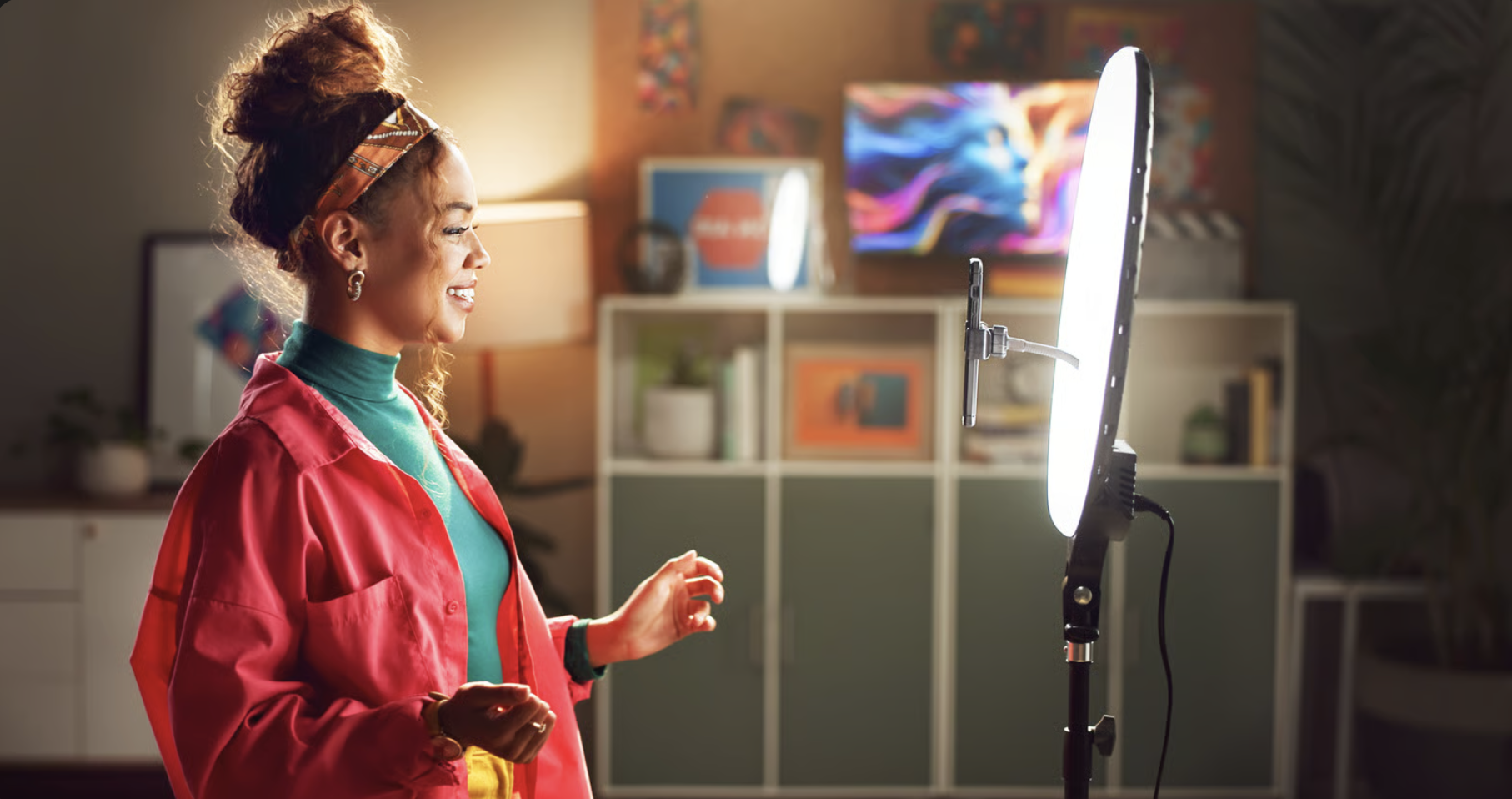
A good creator can effectively operate as strategist, copywriter, director, talent, editor and production company simultaneously. More importantly, they understand the environment in which their content will appear. They understand how quickly they need to get to the point, which hooks might stop someone scrolling, how platform conventions are evolving and when something feels like an advertisement pretending to be social content.

That doesn’t mean creators possess some magical power of “authenticity”, a term the industry has arguably stretched beyond usefulness. It means successful creators have spent thousands of hours learning what works on these platforms and receiving immediate audience feedback every time they publish.
There is significant creative value in that experience.
Distribution changes the equation
This shift also strengthens the case for paid amplification as part of creator marketing.
One of the stranger habits the industry developed was investing significant amounts in creator content and then allowing the creator’s organic following to determine almost entirely who gets to see it. The same logic would rarely be applied elsewhere in advertising.
Paid distribution allows brands to separate the quality of the creative from the size of the creator’s audience. Marketers can work with a broader range of creators, test different approaches, identify which content holds attention and then invest additional media behind the strongest performers.
Follower count suddenly becomes one variable rather than the defining characteristic of the investment.
This also changes how creator marketing should be measured.
The industry has historically placed enormous emphasis on engagement, but evidence that someone enjoyed a piece of content isn’t necessarily evidence that the advertising worked. A video can generate thousands of likes while doing very little for the brand paying for it. If audiences remember the creator, joke or trend but forget the product, the campaign may have created entertaining content without creating effective advertising.
As creator marketing matures, measures including attention, watch time, brand recall, consideration, sales and incrementality become increasingly important. Likes and comments can provide useful signals, but they shouldn’t automatically be treated as the objective.
Creators don’t need to replace advertising
Creator marketing doesn’t need to replace television, agencies or traditional advertising to prove its value.
Different parts of the marketing mix perform different roles. Television can deliver broad reach, search captures intent, retail media gets brands closer to purchase, while social platforms offer sophisticated targeting and optimisation.
Creators bring something different: human faces, storytelling, cultural understanding and an alternative model for producing advertising.
The opportunity is to connect these capabilities rather than position them as competing choices.
This is particularly apparent when brands participate in fast-moving cultural moments. A trend can appear on Monday, peak on Thursday and feel outdated by the following week, creating an obvious challenge for traditional advertising production processes.
Creators can compress that timeline because they are already operating inside the culture brands are trying to participate in. Combine that capability with technology that identifies emerging trends, data that helps select appropriate creators, workflows that accelerate approvals and paid media that amplifies the strongest creative, and creator marketing starts looking very different from simply paying an influencer to post to their followers.
The creator becomes the beginning of the advertising process rather than the end of the media plan.
AI could make human creativity more valuable
Generative AI makes this distinction even more important.
Brands are entering a world where producing content at enormous scale will become relatively easy. Thousands of images, videos and creative variations can increasingly be generated at speeds and costs that would have been unimaginable only a few years ago.
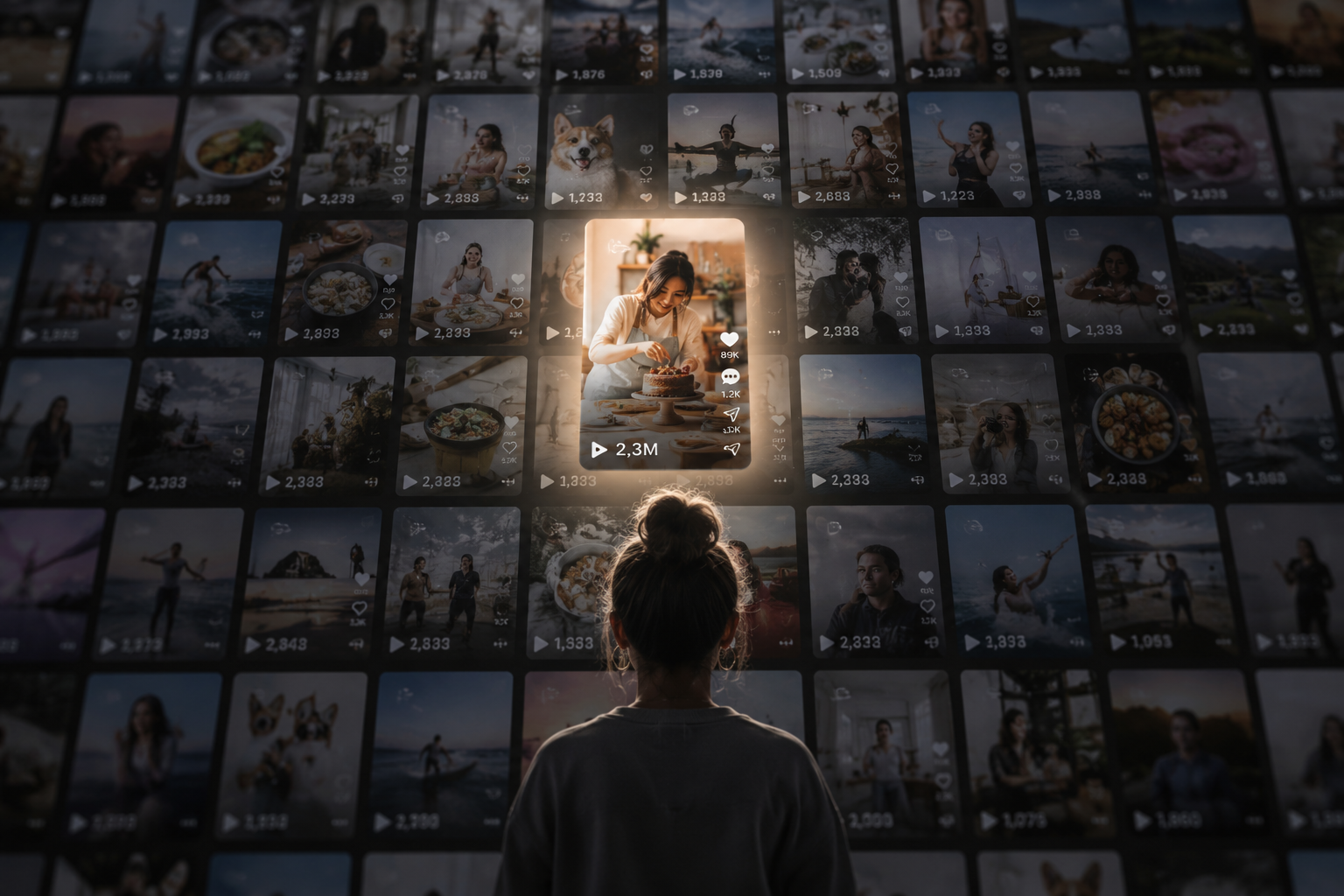
It would be easy to assume this makes human creators less important. The opposite may prove true.
When everyone can produce more content, producing content itself becomes less valuable. Attention becomes scarcer, making the ability to understand what another human might actually choose to watch considerably more important.
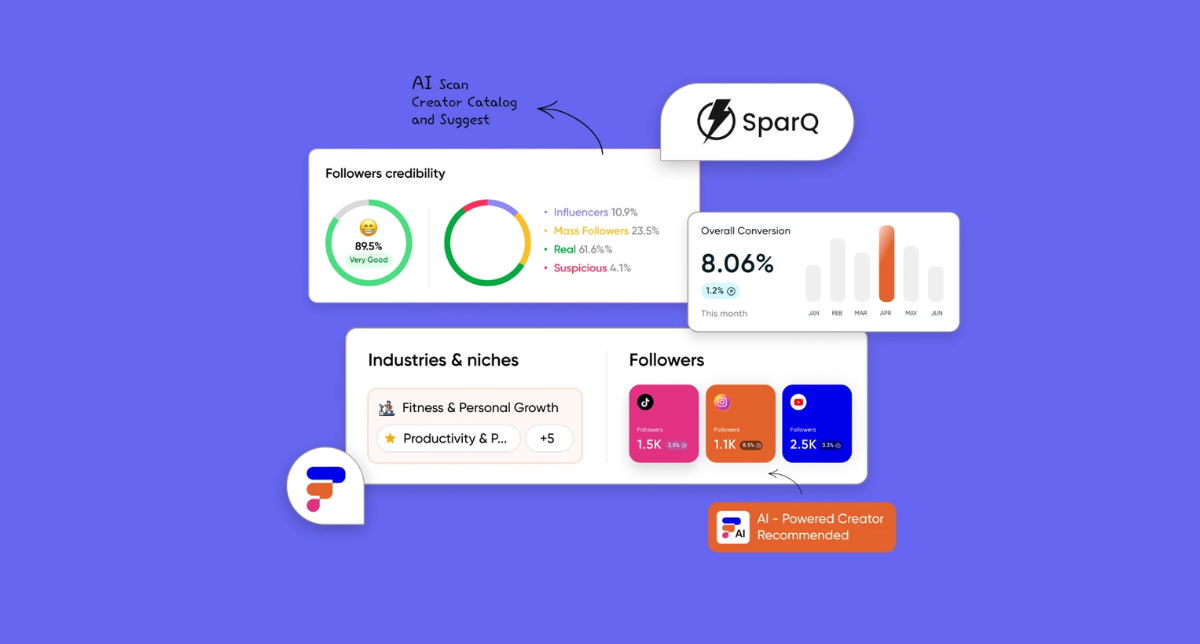
AI will undoubtedly become an important part of creator marketing. At Fabulate, AI is already being used to analyse creator content, understand audiences, assess brand safety and help marketers make more informed decisions. Over time, technology will become increasingly effective at identifying cultural signals, understanding creative performance and determining where brands should invest.
But technology still needs something worth distributing.
Rethinking what brands are buying
None of this means audience size is irrelevant or that every creator should suddenly be considered an advertising creative. Creators with genuinely engaged communities remain enormously valuable, and being entertaining on TikTok doesn’t automatically make someone capable of communicating a brand proposition.
But changing how we define creator value allows marketers to ask better questions.
Can this creator hold attention? Can they communicate the proposition and make the brand memorable? Do they understand the culture the brand wants to participate in? Can their content perform beyond their existing audience? And can media, data and technology scale the best of it?
Creator marketing doesn’t need to become the biggest channel in advertising to fundamentally influence its future.
Its bigger contribution may ultimately be changing who makes the work, how quickly we make it and what advertising looks like when it reaches the consumer.
Perhaps it’s time to think less about creators as audiences brands can rent, and more about their role in the creative infrastructure of modern marketing.

.jpg)

.png)

.png)
.jpg)




.jpg)
.jpg)
.jpg)
.jpg)
.jpg)


.jpg)







.png)
.png)
















.png)
.png)
.png)
.png)
.png)
.png)
.png)
.png)
.png)
.png)
.png)
.png)
.png)
.png)
.png)
.png)
.png)
.png)
.png)
.png)