United States
 Australia
 United Kingdom
 Singapore
 Malaysia
 Thailand
 Indonesia



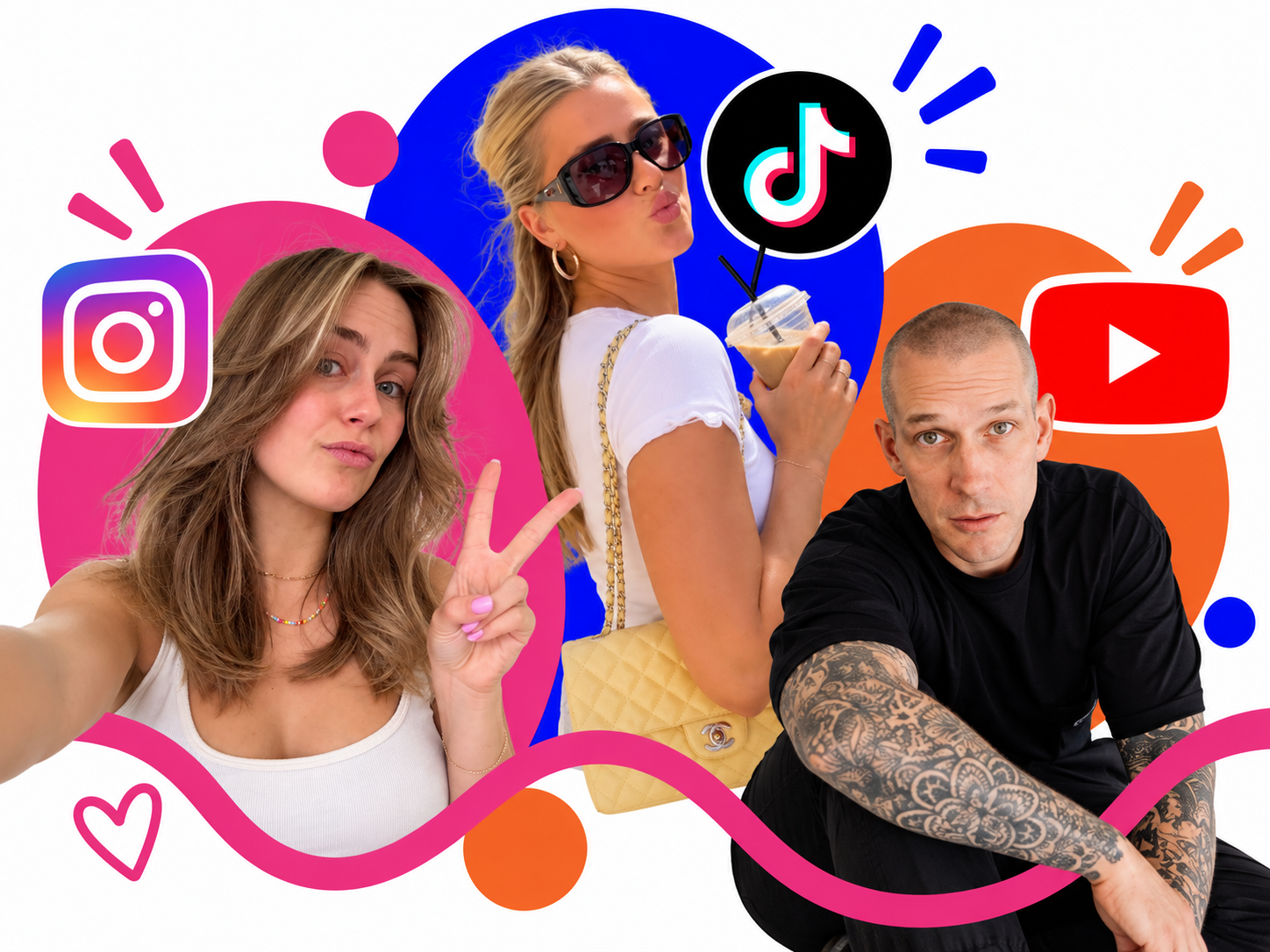
Creator marketing is growing up. Faster than any media channel before it.
Creator marketing has already reached global scale. Its next phase will be defined by how quickly transparency, rights, measurement, disclosure and AI governance can evolve alongside one of the world's fastest-growing advertising channels.
Every media channel eventually reaches the same point.
The early years are defined by growth. New audiences arrive, advertisers begin experimenting and success is measured by adoption rather than optimisation. The priority is proving the medium works and demonstrating that it deserves a place in the marketing mix.
Eventually, the conversation changes.
As investment grows, so do expectations. Buyers begin asking where their budgets are going, regulators introduce stronger consumer protections, commercial models become more sophisticated and better measurement becomes a commercial necessity rather than a competitive advantage.
Television spent decades building audience measurement, advertising standards and commercial models. Digital advertising evolved through attribution, fraud, viewability and brand safety before becoming an established part of every media plan. Programmatic transformed how advertising was bought and sold, but only after years of scrutiny around supply chains, transparency and where marketing budgets were actually ending up.
Creator marketing has now reached that same point, the difference is that it is happening much faster.
Global creator advertising spend is expected to reach almost US$44 billion in 2026, growing at approximately four times the rate of the broader advertising market. That figure doesn't include the significantly larger value of purchases influenced through social commerce, affiliate marketing and creator-led businesses, highlighting just how deeply creators are becoming embedded throughout the modern customer journey.
The industry has already proven that creator marketing can generate attention, influence purchasing decisions and deliver meaningful commercial outcomes. The challenge is no longer convincing brands to invest. It is building the governance, transparency, measurement and accountability expected of a mature global media channel.
Unlike every media channel before it, creator marketing is also trying to solve those challenges while artificial intelligence simultaneously changes how content is created, commercialised, distributed and measured. Previous advertising channels had the luxury of solving one problem at a time. Creator marketing is building commercial frameworks, regulatory standards and AI governance simultaneously while already operating as a multi-billion-dollar global industry.
That makes this moment unusually important.
The questions facing creator marketing today are not signs that the industry is slowing down. They are the natural consequence of a channel that has moved beyond experimentation and into maturity. Transparency, disclosure, rights management, measurement and responsible AI are no longer operational considerations; they are becoming the foundations that will determine how confidently brands invest, how sustainably creators build businesses and how successfully the industry continues to grow.
Creator marketing isn't simply growing up, tt's being forced to grow up faster than any media channel before it.
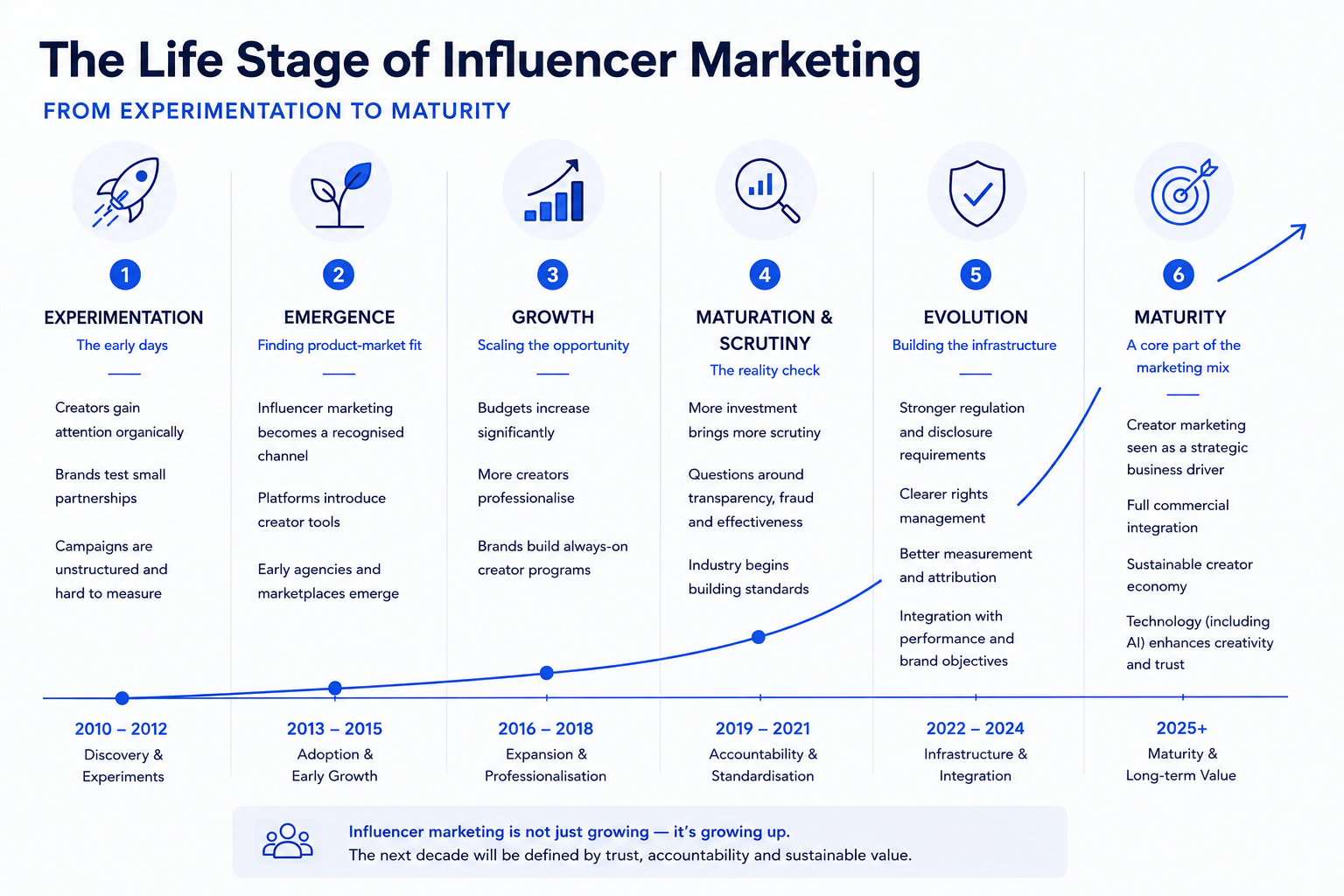
Every mature media channel follows the same path
While every media channel evolves differently, they all tend to follow the same commercial journey.
The early years are dominated by growth. Audiences expand, advertisers experiment and success is measured by adoption. The priority is proving that the medium works.
Over time, however, growth changes the conversation.
As more money enters the market, buyers begin asking more sophisticated questions. Where is my budget actually going? How do I know this campaign worked? Who owns the content I've paid for? What standards exist to protect consumers? How do I compare one investment against another?
Those questions are not obstacles to growth. They are evidence that a channel has become commercially significant.
Television developed audience measurement because advertisers demanded accountability. Digital advertising introduced viewability standards because brands wanted greater confidence that ads were actually being seen. Programmatic buying evolved new standards around transparency because marketers wanted to understand how their media budgets moved through increasingly complex supply chains.
Creator marketing has now reached the same stage.
The conversation is no longer centred on whether creators influence purchasing decisions. Years of campaign data, platform investment and increasing budget allocation have largely answered that question. The focus is shifting towards building the commercial standards that allow creator marketing to operate alongside every other established media channel.
That shift is becoming increasingly visible across the wider media landscape.
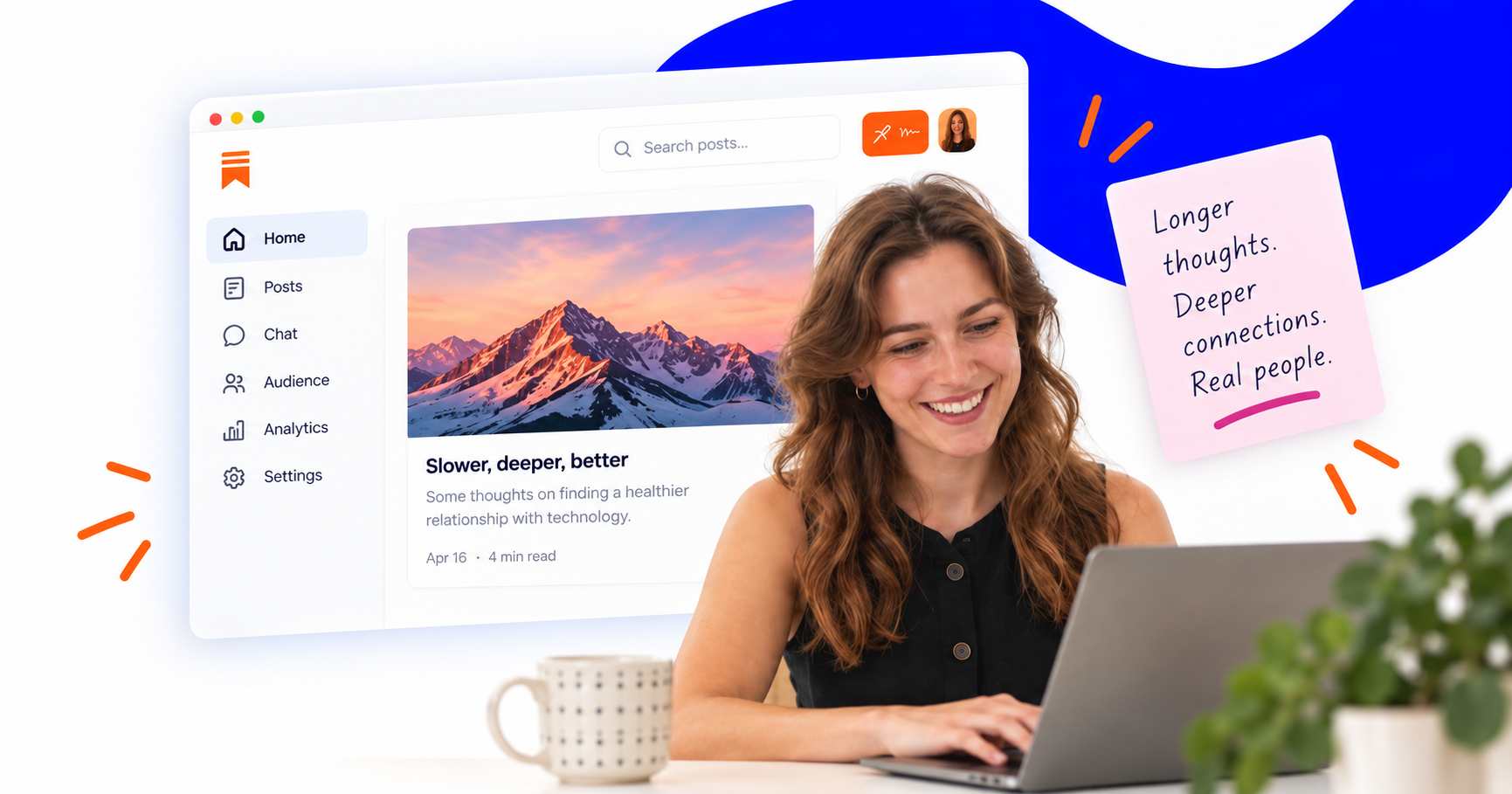
Traditional publishers are building creator networks, investing in personality-led formats and partnering with independent creators to expand their audiences and commercial opportunities. At the same time, creators are launching podcasts, newsletters, product lines, production companies and subscription businesses that increasingly resemble modern media organisations.
The distinction between creator, publisher and media owner is becoming harder to defend because they are all moving towards the same commercial model: one built around audiences, personalities and diversified revenue streams rather than a single distribution channel.
The thread connecting all of these businesses is trust.
Creators depend on it to build communities. Brands depend on it when investing marketing budgets. Platforms rely on it to maintain healthy ecosystems, while regulators increasingly focus on protecting it through stronger disclosure requirements and consumer safeguards.
As creator marketing continues to mature, trust will become less of a competitive advantage and more of a commercial expectation.
That is why the industry's next phase will be defined by five interconnected challenges: transparency, disclosure, rights management, measurement and artificial intelligence. None of these are unique to creator marketing. Every mature media channel has had to solve similar problems.
What makes creator marketing different is the speed at which it is being asked to solve them.
Transparency: Following the money
One of the clearest signs that a media channel has matured is when people stop asking whether it works and start asking where the money actually goes.
Programmatic advertising went through this evolution more than a decade ago. As digital supply chains became increasingly complex, advertisers began questioning how much of every media dollar was reaching publishers and how much was being absorbed by technology providers, agencies and intermediaries. Industry initiatives such as the ANA's Programmatic Media Supply Chain Transparency Study and ISBA's landmark supply chain research helped expose just how difficult it had become to follow advertising investment from buyer to publisher.
Creator marketing is now beginning to face similar scrutiny.
Brands might approve a six or seven-figure creator campaign, yet still have limited visibility over how that investment is allocated between creators, talent representatives, agencies, technology platforms, production, paid media and campaign management.
The issue is not that these businesses charge fees. Every participant in the supply chain should generate a fair commercial return for the value they create. The issue is whether buyers understand what they are paying for and whether they can clearly see the value each participant contributes.
As creator marketing becomes a larger line item within global marketing budgets, procurement teams and finance departments will increasingly expect the same level of transparency they demand from every other significant media investment.
That should be viewed as an opportunity rather than a threat.
Transparency helps brands make better commercial decisions. It rewards businesses that create genuine value and, perhaps most importantly, builds the confidence needed for organisations to continue increasing investment in the category.
Once marketers understand where their budgets are going, the conversation naturally shifts to a different question.
How do audiences know when they're being advertised to?
Disclosure: Trust only works when audiences know they're being advertised to
Disclosure has become one of the most visible conversations in creator marketing, but it is often misunderstood.
The discussion frequently centres on whether a creator remembered to include #ad or used a platform's paid partnership label. In reality, disclosure is much broader than a line in a caption. It is about protecting the trust that makes creator marketing commercially valuable in the first place.
Unlike traditional advertising, creator marketing succeeds because recommendations come from people rather than brands. Audiences choose to follow creators because they trust their opinions, expertise or lived experiences. The moment that commercial relationship becomes unclear, the effectiveness of the entire model begins to weaken.
That is why regulators around the world are increasingly adopting similar approaches.
The US Federal Trade Commission (FTC) requires creators to clearly disclose material relationships with brands through its Endorsement Guides. The UK Advertising Standards Authority (ASA) expects advertising to be immediately recognisable to consumers, while Australia's AiMCO Influencer Marketing Code of Practice and similar consumer protection frameworks across Europe and Canada place comparable obligations on advertisers and creators.
Although the legislation differs across jurisdictions, the principle remains remarkably consistent.
Consumers should never have to guess whether content is advertising.
Importantly, that responsibility does not sit with creators alone.
Brands develop campaign objectives. Agencies shape creative strategy. Platforms provide the distribution infrastructure. Every participant has a role in ensuring commercial relationships are transparent from the outset.
The most sophisticated organisations no longer treat disclosure as a final compliance check before publishing. Instead, disclosure is built into campaign workflows through briefing documents, contractual obligations, approval processes and technology that identifies potential issues before content goes live.
That represents an important shift, and while disclosure is no longer simply about satisfying regulators, it's becoming part of how brands demonstrate integrity.
As audiences become increasingly comfortable with commercial creator partnerships, they will also expect those partnerships to be presented openly and honestly. The brands that embrace transparency are unlikely to lose trust because of disclosure. More often, they strengthen it.
As creator partnerships become more valuable, however, another commercial question inevitably follows, who owns the content once the campaign is over?
Rights are becoming one of creator marketing's biggest commercial challenges
For many years, rights management in creator marketing was relatively straightforward.
A creator produced content, published it to their audience and the campaign concluded.
Today, that same asset may appear organically across TikTok, Instagram and YouTube before being repurposed as paid advertising on Meta, displayed on ecommerce websites, included in CRM campaigns, adapted for connected television or translated for entirely different international markets.
Every additional use creates another commercial consideration.
- Who owns the original content?
- How long can it be used?
- Across which channels and markets?
- Can it be edited, translated or adapted?
- Can it be amplified through paid media?
- Increasingly, those questions extend beyond the content itself.
- Can a creator's likeness be reused?
- Can their voice be synthesised?
- Can campaign assets be used to train future AI models?
These are no longer hypothetical legal questions.
They are becoming everyday commercial negotiations between brands, agencies and creators.
Music provides one of the clearest examples of why rights management has become more complicated. Audio licensed for organic social content often cannot be reused in paid advertising without obtaining additional commercial licences. Major record labels, including Sony Music, Universal Music Group and Warner Music Group, have all pursued legal action in recent years where copyrighted works were allegedly used beyond the permissions originally granted.
Creator content is rapidly following the same trajectory.
The commercial value of creator marketing is no longer limited to a single social post. The strongest campaigns produce intellectual property that continues generating value across paid media, ecommerce, retail environments, customer communications and owned channels long after the original publication date.
That evolution demands more sophisticated commercial models.
Creators deserve to be compensated not only for producing content, but also for the commercial value created through its ongoing use. Likewise, brands need greater certainty around what they have licensed, how long they can use it and where it can appear.
The phrase "all rights" may have been acceptable when creator marketing was still emerging.
It is no longer precise enough for an industry that is becoming an increasingly important part of the global media ecosystem.
Clearer licensing agreements, stronger rights management and more transparent commercial frameworks will ultimately benefit both brands and creators because they recognise creator content for what it has become.
Not simply social content, but valuable intellectual property.
Measurement is changing how creators get paid
For much of creator marketing's history, success was measured using the metrics platforms made easiest to access. Followers, reach, views and engagement became the default language of the industry because they were readily available and easy to compare.
Those metrics still have an important role to play. If a campaign is designed to build awareness, create cultural relevance or generate conversation, attention is often exactly what a brand is buying. The challenge is that attention has increasingly become the starting point rather than the destination.
As creator marketing has matured, brands have begun asking the same questions they ask of every other media investment. Did the campaign generate website traffic? Did it influence consideration? Did it acquire new customers? Did it drive incremental sales? Most importantly, what commercial outcome did the investment actually create?
The industry is responding by moving beyond platform metrics towards business metrics. Affiliate platforms, retail media integrations, brand lift studies, conversion APIs, closed-loop attribution and first-party data are making it possible to connect creator activity with measurable commercial outcomes in ways that simply weren't possible a few years ago.
That shift does far more than improve reporting.
It fundamentally changes the commercial relationship between brands and creators.
Historically, creator partnerships have been built around a relatively simple exchange. A creator produced content, published it to their audience and received an agreed fee. As measurement improves, that model is becoming considerably more sophisticated.
Affiliate commissions are increasingly sitting alongside fixed production fees. Performance bonuses reward creators when agreed outcomes are exceeded. Revenue-sharing models are becoming more common across ecommerce, while long-term ambassador partnerships increasingly combine guaranteed retainers with commercial incentives tied to measurable business outcomes.
This evolution should be welcomed because better measurement creates better alignment.
Creators deserve to participate in the value they help create. Equally, brands deserve greater confidence that investment decisions are being informed by evidence rather than assumptions.
That does not mean every creator partnership should become performance marketing.
A campaign's success is rarely determined by the creator alone. Product quality, pricing, creative execution, media investment, landing page experience, seasonality and countless other variables all contribute to commercial outcomes. Better measurement should create opportunities for creators to share in success, not become an excuse to transfer all commercial risk onto them.
The strongest commercial models are therefore unlikely to be built on performance-only partnerships. Instead, they will combine fair compensation for creative expertise, clearly defined usage rights and meaningful incentives when campaigns generate measurable business outcomes.
Measurement, ultimately, isn't changing dashboards. It's changing how value is created, recognised and shared throughout the creator economy.
That evolution also creates another challenge.
If better measurement changes how creator marketing is valued, artificial intelligence is changing the very nature of the content being valued.

Artificial intelligence is accelerating every challenge
Every major technological shift forces industries to reconsider the rules they have previously taken for granted.
The internet changed distribution, social media changed discovery and creator marketing changed influence.
Artificial intelligence is now changing creation itself.
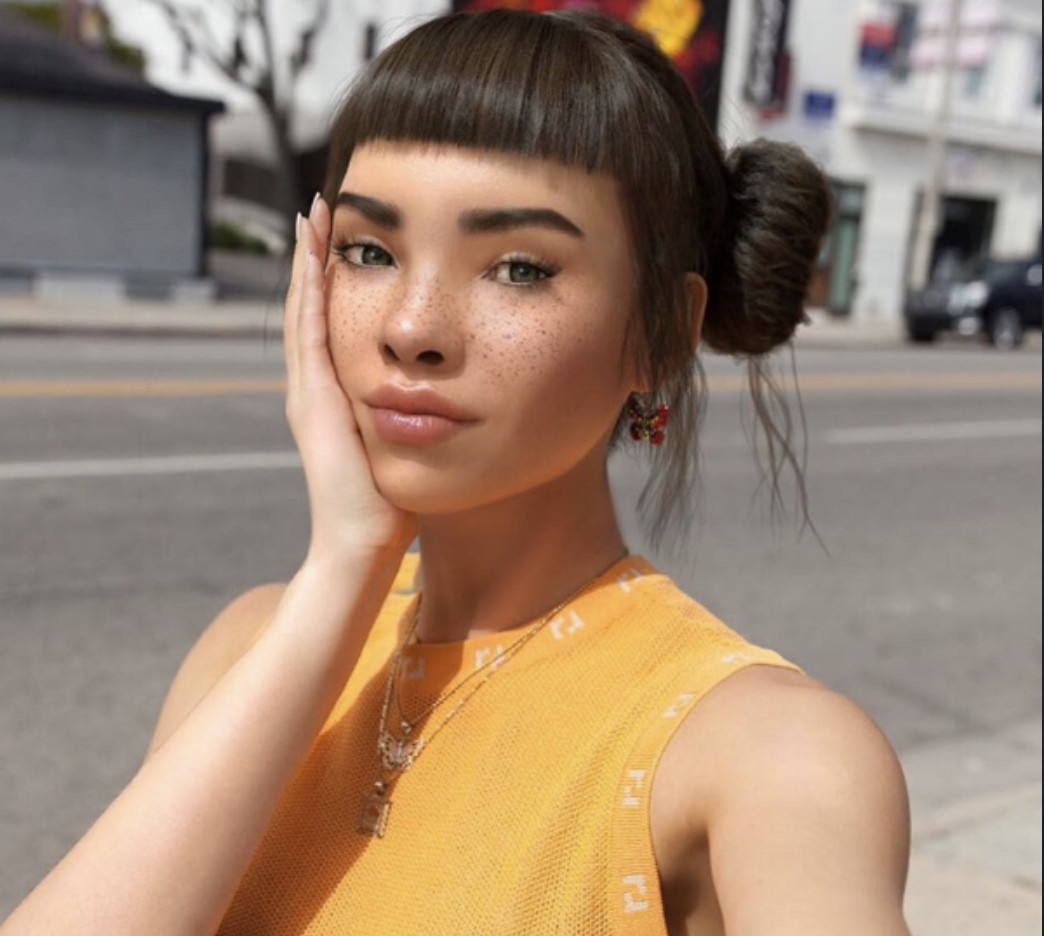
For the first time, brands can generate content that looks increasingly human without a production crew and, in some cases, without a human creator at all. AI can already automate campaign planning, dramatically improve creator discovery, translate content across multiple languages and reduce reporting that once took days into work completed almost instantly.
These are exactly the kinds of efficiencies technology should deliver.
The more complex questions begin when AI moves beyond workflow and starts influencing creativity, identity and ownership.
- Can a creator's likeness be licensed to generate future content?
- Who owns an AI-generated version of a creator?
- Can campaign assets be used to train future models?
- Should audiences be told when AI has materially influenced the content they are consuming?
How should creators be compensated if their identity continues generating commercial value long after the original campaign has finished?
Legislation is only beginning to address those questions. The European Union's AI Act introduces transparency obligations for AI-generated content, while legislation such as Tennessee's ELVIS Act has expanded legal protections around voice and likeness. Courts across the United States, Europe and elsewhere are also beginning to test how existing copyright law applies to AI training data, digital replicas and synthetic media.
Technology, however, will continue moving faster than regulation. It always has.
That means responsibility increasingly falls on brands, creators, platforms and technology providers to establish commercial standards before legislation forces them to.
The creator economy has always been built on authentic relationships between people. AI should strengthen those relationships by removing administrative friction, improving decision-making and helping creators scale their businesses. It should never quietly replace the authenticity that made creator marketing valuable in the first place.
The organisations that earn long-term trust will not necessarily be those using the most AI. They will be those using it most responsibly by obtaining meaningful consent, respecting intellectual property, clearly disclosing synthetic content where appropriate and ensuring technology enhances rather than replaces human creativity.
Because while AI will continue changing how content is created, it should never undermine why audiences connected with creators in the first place.
Technology can scale content, but only people build trust.
Growing pains are a sign of success
It is easy to look at debates around transparency, disclosure, rights, measurement and artificial intelligence as problems creator marketing needs to solve. History suggests they are something else entirely.
Every successful media channel eventually reaches this point. As investment grows, so do expectations. Buyers demand greater accountability, regulators introduce stronger consumer protections, commercial models become more sophisticated and technology creates new opportunities while simultaneously introducing new risks.
Creator marketing isn't unusual because it faces these challenges. It is unusual because it is facing all of them at once, while already operating as one of the world's fastest-growing advertising channels.
The category has already reached global scale. Brands are committing meaningful portions of their marketing budgets, creators are building sophisticated media businesses, publishers are investing in creator ecosystems and AI is reshaping almost every stage of the content lifecycle. The systems surrounding the industry are now racing to keep pace, but that shouldn't be viewed as a warning sign. If anything, it is evidence that creator marketing has reached the point every successful media channel eventually reaches.
For years, the industry fought to prove it deserved a place in the media mix. That debate is now largely behind us. The more interesting conversation is how creator marketing becomes a permanent, trusted and measurable part of the global advertising ecosystem.
That is why the next decade will look very different from the last.
Success is unlikely to be defined by who has the biggest creator roster, the largest budgets or even the most sophisticated AI. Those advantages will matter, but they won't be enough on their own.
The organisations that lead the next chapter of creator marketing will be the ones that make commercial relationships more transparent, measurement more meaningful, rights more robust and AI more responsible. They'll understand that governance isn't a brake on growth; it's what gives brands the confidence to invest more, creators the confidence to build sustainable businesses and audiences the confidence to keep trusting the content they consume.
Growth was never the destination, it was the invitation and the real challenge begins once an industry reaches scale.
Creator marketing has already proven that it works. The next phase is proving that it can mature without losing the authenticity, creativity and trust that made it successful in the first place.
Because every media channel eventually grows up.
Creator marketing is simply getting there faster than any media channel before it.
.jpg)
.png)
.png)
.jpg)


.jpg)
.jpg)
.jpg)
.jpg)
.jpg)


.jpg)








.png)
.png)













.png)
.png)
.png)
.png)
.png)
.png)
.png)
.png)
.png)
.png)
.png)
.png)
.png)
.png)
.png)
.png)
.png)
.png)
.png)
.png)