United States
 Australia
 United Kingdom
 Singapore
 Malaysia
 Thailand
 Indonesia


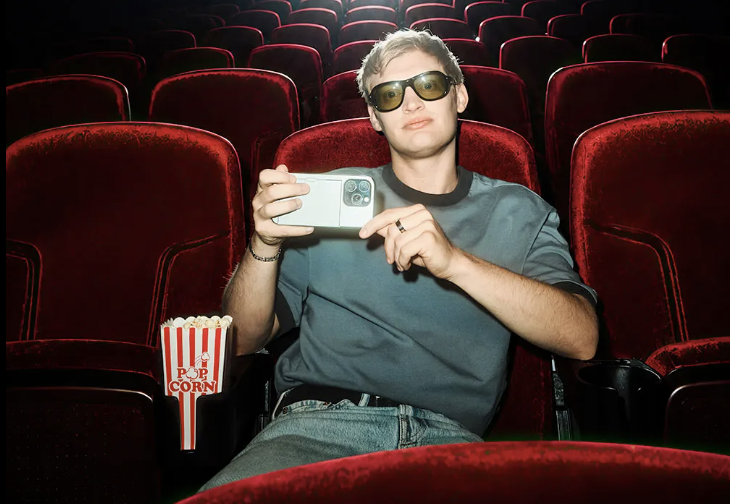
The creator economy is creating jobs far beyond creators
The creator economy is creating an entirely new workforce, from strategists and analysts to producers, rights managers, commerce specialists and Hollywood talent.
More than 400 million creators with over 1,000 followers now exist across Facebook, Instagram, TikTok and YouTube.
But the creator economy’s employment story extends far beyond the people appearing on screen.
As creator marketing enters mainstream media channels, it brings an entire employment ecosystem into being, from creator intelligence analysts and compliance managers to thumbnail designers, commerce specialists, and rights managers.
Some of these jobs did not exist a decade ago. Others have been forced to evolve as creators become media businesses in their own right.
The new roles inside brands and agencies
Creator marketing can no longer sit informally between social media, PR and partnerships. Larger programmes now require specialists across strategy, talent, technology, operations and measurement.
The clearest sign of that shift is the emergence of the Chief Creator Officer.
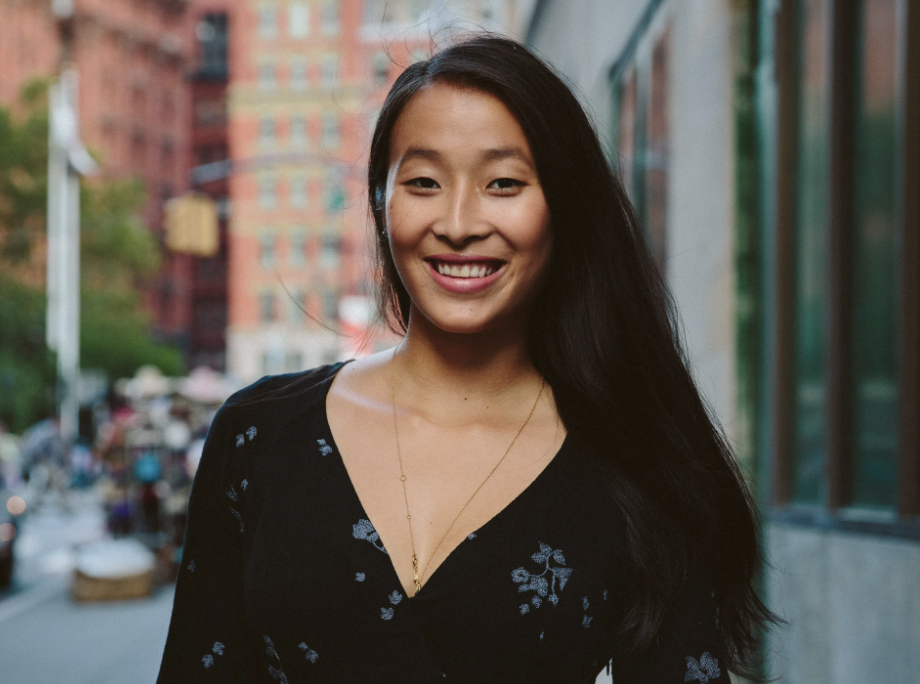
Creator and entrepreneur Nadya Okamoto recently took on the role at startup investment platform Cherub, acting as a bridge between creators and founders.
Her appointment reflects a role that reflects a serious realisation that the Cannes Lion captured:
Creators are becoming brands; they want ownership or stake in the business they promote. They are no longer marketing assets or channels. They are a business model.
New roles emerging inside brands, platforms and agencies include:
- Creator Marketing Manager
- Influencer Marketing Manager
- Creator Partnerships Manager
- Creator Success Manager
- Creator Operations Manager
- Creator Intelligence Analyst
- Creator Discovery Specialist
- Influencer Compliance Manager
- Creator Payments Specialist
- Creator Community Manager
- Creator Acquisition Specialist
- Talent Manager
- Creator Relationship Manager
These roles reflect how complex creator marketing has become.
Finding talent is only one part of the job. Brands also need people who can assess creator fit, manage relationships, negotiate contracts, screen content, process payments, protect brand safety and connect campaign activity to business outcomes.
Want to study content creation?

The rumours are true. You can now earn a degree to become an influencer.
Arizona State University’s Walter Cronkite School of Journalism and Mass Communication offers a four-year Bachelor of Arts in Content Creation.
Starting from scratch and simply betting on going viral is unnecessary. Students are taught content strategy, personal branding, audience analytics, multimedia production, podcasting, social media marketing and videography while building their own social presence.
The program includes hands-on courses such as “How to Become an Influencer” and culminates in a final project that requires students to create content and build a digital presence by graduation.
The viral diploma has officially arrived.
Creators are becoming businesses and building teams around them
The employment impact is also expanding on the talent side.
As creators grow from individuals posting content into full-scale media companies, they need teams capable of managing production, partnerships, audiences and revenue.
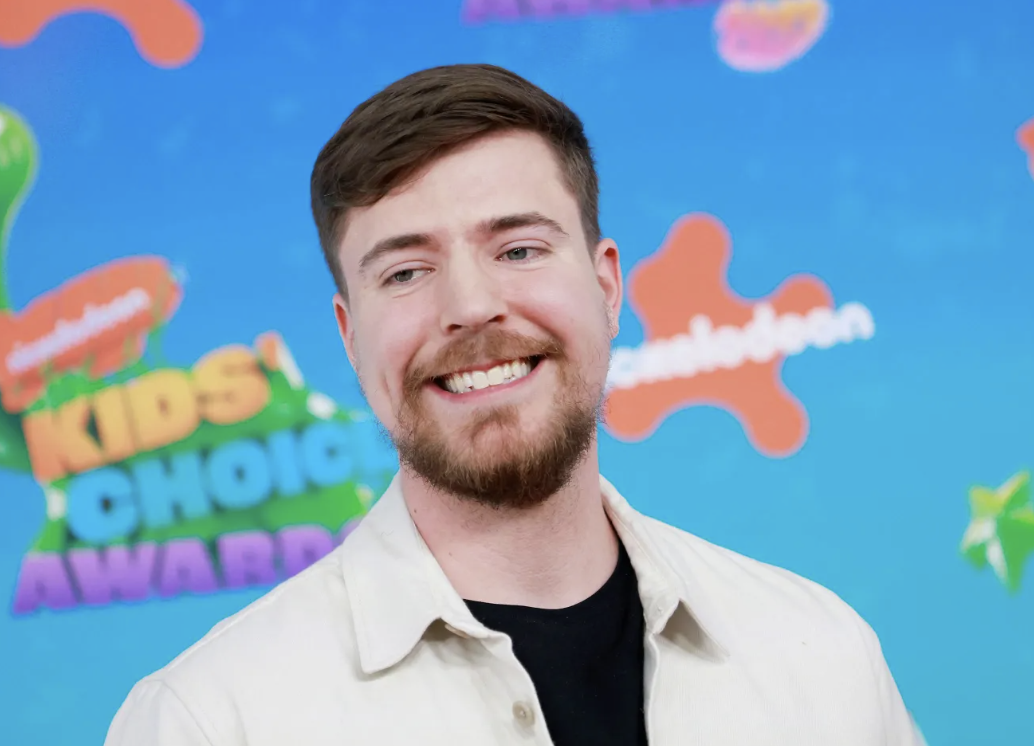
The clearest example is the world’s biggest content creator, Jimmy “MrBeast” Donaldson.
Beast’s billion-dollar empire, Beast Industries, is built on brands including Feastables, Lunchly and ViewStats. Naturally, an empire of that scale - and a colossal online following across multiple channels - requires a corporation-level line-up behind it.
Beast recently went on a C-suite hiring spree, bringing on names including:
Jeffrey Housenbold, CEO and President: The former Shutterfly CEO and technology venture capitalist manages the company’s broader operations, financial strategy and commercial expansion.
Corie Henson, President of Beast Industries Studios: The former NBCUniversal unscripted executive oversees the core YouTube production ecosystem and Prime Video series Beast Games.
Ronak Trivedi, Platform Lead: The co-founder and former CEO of creator-commerce start-up Pietra joined, along with a key segment of his team, to build a new brand-creator matchmaking platform.
Noah Wieseneck, VP of Brand Partnerships: Recruited from Snap to manage high-level creator-business integrations.
Kelly Calabrese, VP of Global Media and Brand Partnerships: The former head of entertainment sales at TikTok.
Byron Kendal, VP of Talent Acquisition and Technology: Oversees technology scaling and recruitment.
Gaude Lydia Paez, Chief Communications Officer: She oversees communications and corporate affairs of Beast Industries.
Tia Silas, Chief People Officer: Manages human resources for an internal workforce nearing 500 employees.
Ling-Ling Nie, Chief Compliance Officer and Deputy General Counsel: Oversees corporate governance, compliance and legal matters.
MrBeast may be an extreme example, but the direction of travel is clear. Creators are no longer simply producing content. They are building companies.
That is forcing traditional talent roles to diversify while creating demand for specialists such as:
- Talent managers
- Business managers
- Partnerships managers
- Video editors
- Producers
- Thumbnail designers
- Scriptwriters
- Community managers
- Merchandising managers
- Podcast producers
- Growth strategists
- Revenue operations managers
A successful creator may now operate simultaneously as a production studio, advertising partner, ecommerce business, podcast network and consumer brand.
The person on camera may remain the public face. But the business behind them increasingly depends on a much wider team.
Creator businesses are becoming acquisition targets
Creators are not only building companies. Those companies are becoming assets that major institutions want to own.
CAA and TPG’s Integrated Media Company have launched Compound Creative Holdings, a $250 million vehicle designed to acquire, operate and grow creator-led businesses.
The move signals that creators are no longer viewed simply as talent to represent, but as enterprise builders with intellectual property, products, teams and recurring revenue.
The next wave of creator-economy jobs
Between 2026 and 2030, the fastest-growing roles are likely to emerge at the intersection of creator marketing and artificial intelligence, commerce, data, rights, and workplace advocacy.
Those roles could include:
- AI Creator Strategist
- Creator Intelligence Analyst
- Creator Data Scientist
- Creator Commerce Manager
- Creator Rights Manager
- Creator Attribution Specialist
- Creator CRM Manager
- Employee Creator Programme Manager
- Creator Education and Enablement Manager
- Creator Safety and Trust Manager
These jobs point to the next stage of the industry.
Creator marketing will need people who can understand how AI is changing production and discovery, connect content to sales, manage complex licensing arrangements, and build long-term intelligence around creator relationships.
Creators are becoming Hollywood’s new talent pipeline

The creator economy’s employment impact has sent a ripple effect down Hollywood.
Studios are increasingly looking to YouTube and other social platforms for filmmakers who have already demonstrated their ability to build worlds, retain audiences and generate demand without traditional industry gatekeepers.
In other words, bet on creator filmmakers who can deliver the next Obsession or Backrooms, moving from uploading independently online to directing theatrical releases backed by established deals.
Creators are no longer arriving in Hollywood with only an idea. They are arriving with an audience, an existing body of work and proof that people want to watch.
That crossover is creating opportunities across acting, screenwriting, production, development, adaptation, intellectual property management, and distribution.
Creators may be the face of the creator economy, but they are no longer its only career path.
The creator economy is not simply producing more influencers.

.jpg)

.png)
.png)
.jpg)

.jpg)
.jpg)
.jpg)
.jpg)
.jpg)

.jpg)









.png)
.png)











.png)
.png)
.png)
.png)
.png)
.png)
.png)
.png)
.png)
.png)
.png)
.png)
.png)
.png)
.png)
.png)
.png)
.png)
.png)
.png)