United States
 Australia
 United Kingdom
 Singapore
 Malaysia
 Thailand
 Indonesia


.jpg)
The next creator KPI: Will AI recommend your brand?
Creator content is shaping how AI search engines understand and recommend brands, turning reviews, tutorials and comparisons into searchable reputation infrastructure.
Creator marketing has traditionally been judged by the people it reaches.
How many watched the video? How many engaged? How many clicked, searched or bought?
AI search introduces a second audience.
Every detailed product review, comparison, tutorial, or podcast appearance can become evidence that AI search engines use to understand what a brand does, who it serves, and when it deserves to be recommended.
Creators are no longer influencing only consumers. They are increasingly influencing the machines that influence consumers.
Consumers are moving from searching to asking
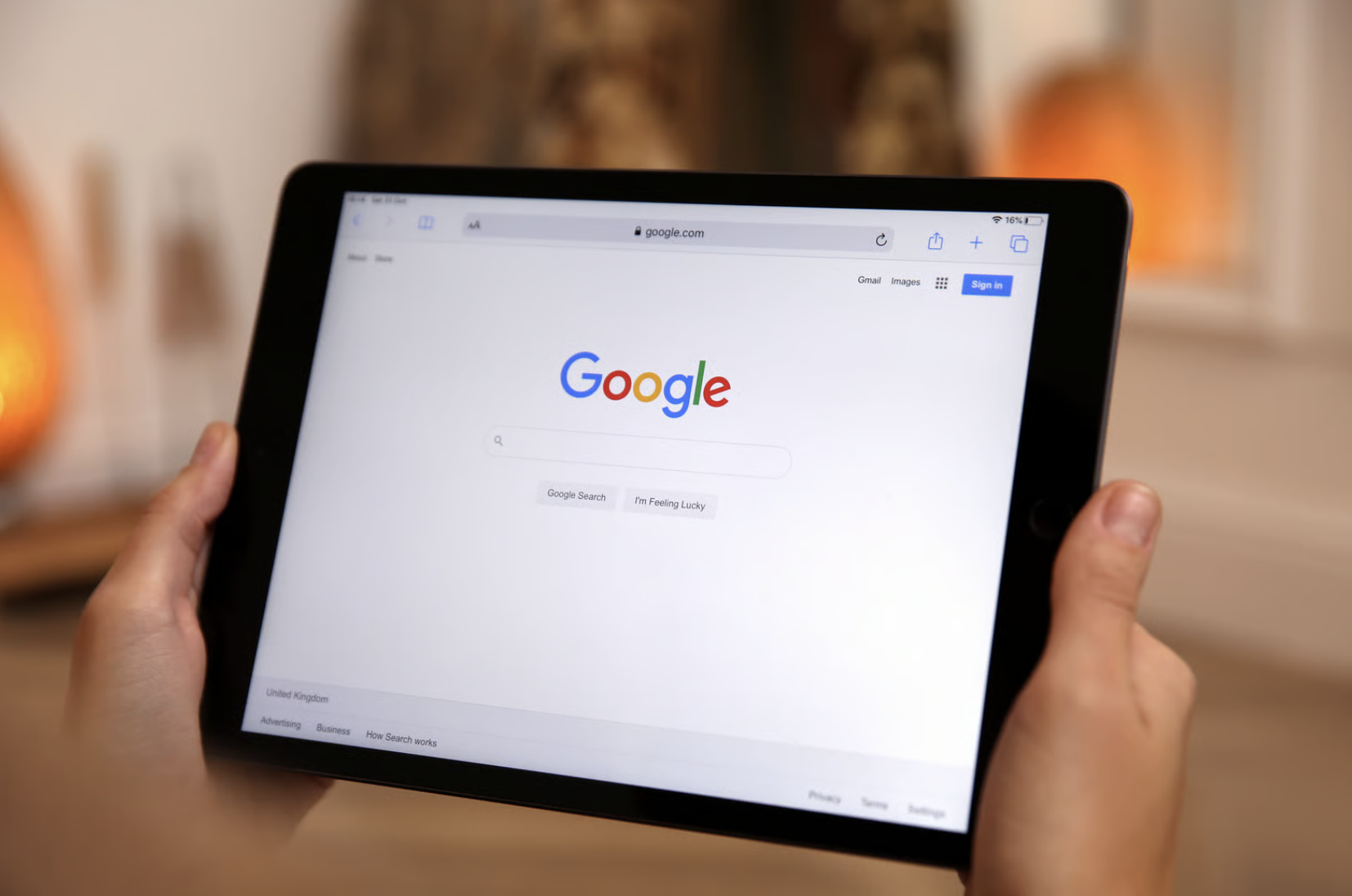
The traditional search journey asked consumers to do the work.
Someone searching for the best running shoes might open multiple tabs - or compare product pages, read reviews, watch videos- and eventually build their own shortlist.
AI search collapses much of that journey into a single prompt:
What are the best running shoes for a first-time marathon runner with flat feet?
Instead of presenting a page of links, platforms such as ChatGPT, Gemini, Perplexity and Google’s AI search features can synthesise information into a direct recommendation.
That behaviour is moving quickly into the mainstream.
Bain found that 44% of surveyed US online buyers either begin their journey with an LLM or split their research between AI tools and traditional search engines. Earlier Bain research also found that 42% of LLM users were already asking the platforms for shopping recommendations.
AI search cares about what others say about the brand
Brand websites remain important.
They establish product information, pricing, specifications and the claims a company wants associated with its products.
But AI search does not operate solely from brand-controlled information. It can retrieve and synthesise material from publishers, reviews, forums, videos, expert commentary and other publicly accessible sources.
Google says AI Overviews and AI Mode can conduct multiple related searches across subtopics and data sources before generating a response. Supporting pages generally need to be publicly crawlable, indexed and eligible to appear in traditional Google Search.
That creates a limitation for brands.
A company can control what it says about itself. It cannot independently establish a wider reputation.
That is where creators become valuable.
A brand might say its headphones offer exceptional noise cancellation. But creators can demonstrate how the product performs in flight, compare it with competing models, explain who should buy it, and identify where it falls short.
The brand establishes the claim. Creators give the claim context, evidence and external credibility.
AI does not just recognise brands. It understands associations

Showing up in AI search is not simply about generating more brand mentions. It is about building the right associations around the brand.
A creator reviewing a running shoe might connect it with:
- Marathon training
- Flat feet
- Stability and cushioning
- Beginner runners
- Long-distance comfort
- Competitor models
- A particular price range
Those contextual relationships can help an AI system determine when the product is relevant to a particular question.
The same principle applies across categories.
Canva can become associated with small businesses, beginner designers and presentations. A skincare brand can become associated with oily skin, sensitive skin or affordable routines. A software platform can become associated with startups, particular integrations and specific operational problems.
The opportunity is not to make AI “remember” a brand through repetition alone.
It is to create a consistent, credible body of third-party content that explains why, when and for whom the brand matters.
YouTube is creator marketing’s AI advantage
.jpg)
Not all creator content has the same potential value in AI search.
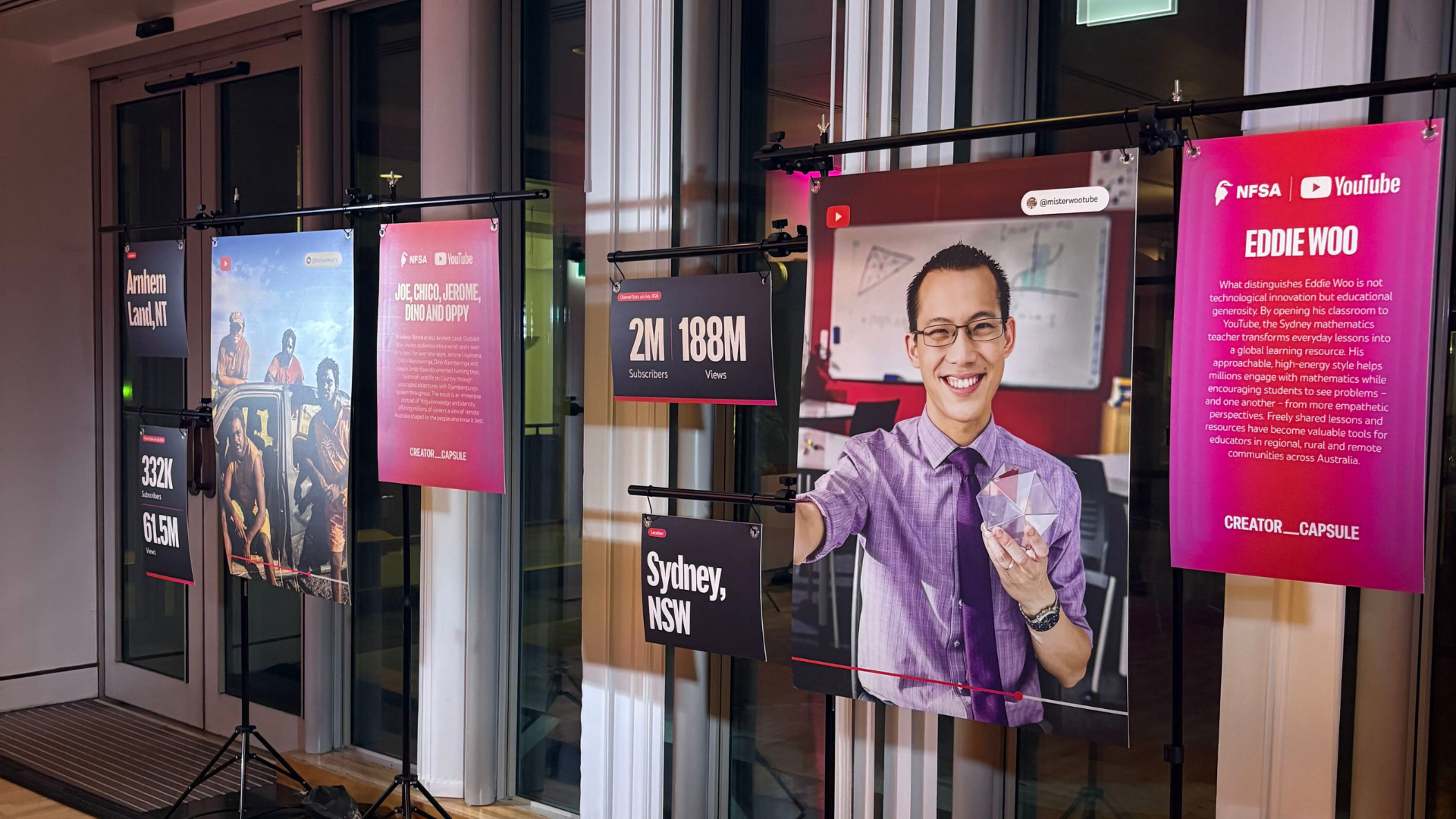
YouTube is well-positioned because its videos are hosted on public web pages and can include searchable titles, descriptions, chapters, and transcripts.
Its long-form format also gives creators space to answer detailed queries (Q&A), compare products and explain real-world experiences.
Research by Jellyfish found that YouTube creator content appeared in more than one in four AI-generated answers across the tracked categories.
Jellyfish analysed more than 27 million response data points (in the US) across seven LLMs, with creator content appearing in almost one in two answers in some high-intent sectors.
The strongest results did not necessarily belong to creators with large followings.
The research found that niche experts who produce structured, information-rich content often achieve greater visibility than celebrity creators.
In the FMCG category, 9 out of 10 YouTube videos appearing in the AI results analysed were from independent creators rather than brands.
That creates a new argument for long-form creator content.
A TikTok or Reel may generate a major burst of immediate attention. A detailed YouTube review can continue answering high-intent consumer questions long after the original campaign ends.
The first generates reach. The second can become searchable recommendation infrastructure.
The creator with the most followers may not have the most AI influence
Creator selection and discovery have traditionally prioritised audience size, engagement, demographics and brand fit.
AI search adds another consideration: subject authority.
A niche creator with 40,000 subscribers who has spent years consistently answering questions about running shoes may be more useful for AI visibility than a general lifestyle creator with several million followers.
It recommends starting with the query a brand wants to influence before identifying the creator most qualified to answer it.
That reverses the usual briefing process.
Instead of beginning with the creator and asking what they should post, brands can begin with the consumer question:
- What is the best protein powder that actually tastes good?
- Which CRM is best for a small startup?
- What moisturiser works for oily, acne-prone skin?
- Which suitcase is best for frequent international travel?
The brand then needs to find a creator with the authority to answer that question credibly.
The brief should not dictate a robotic response.
It should give the creator a question, a use case and a point of comparison—and allow them to produce a useful answer in their own voice.
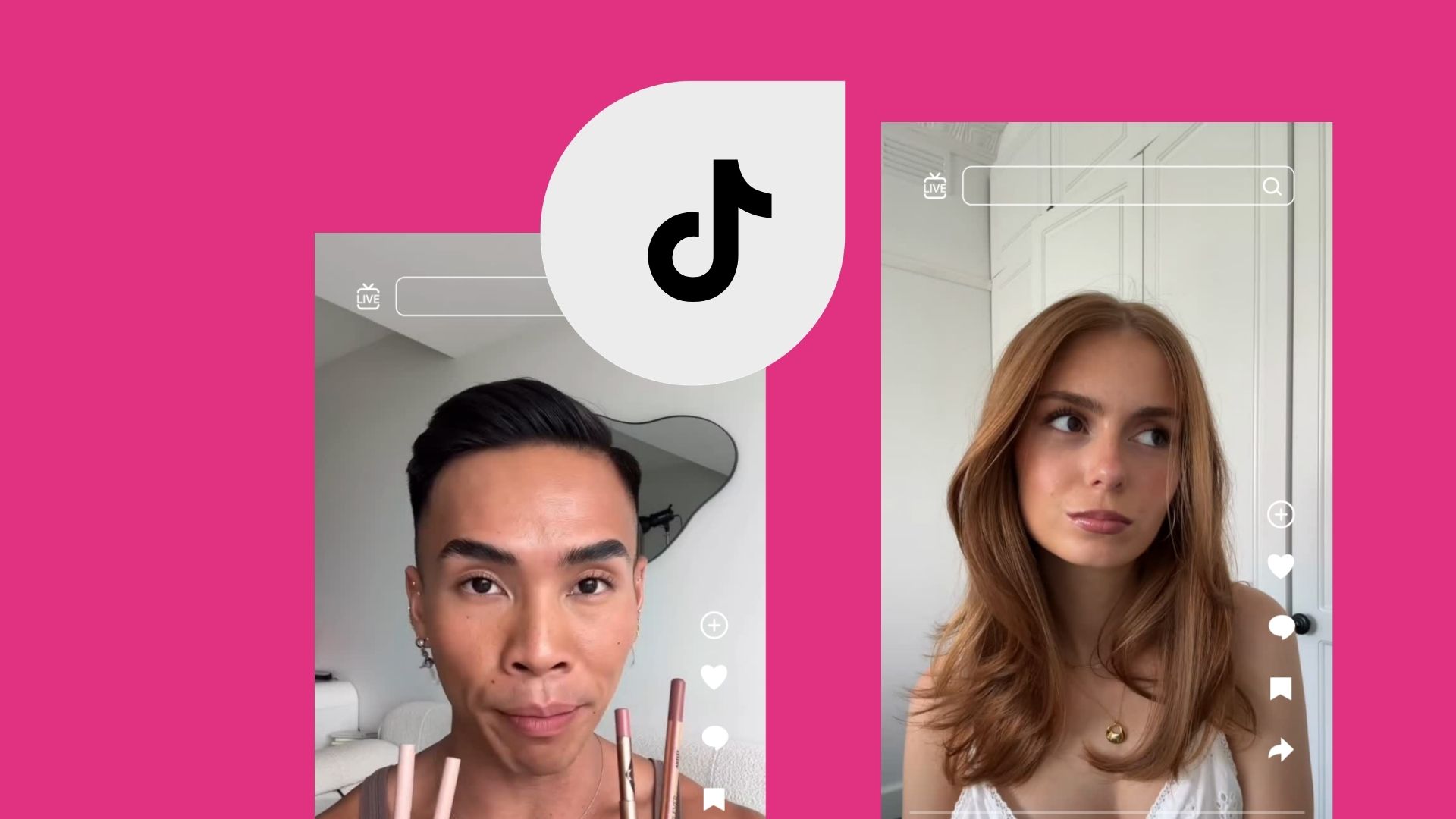
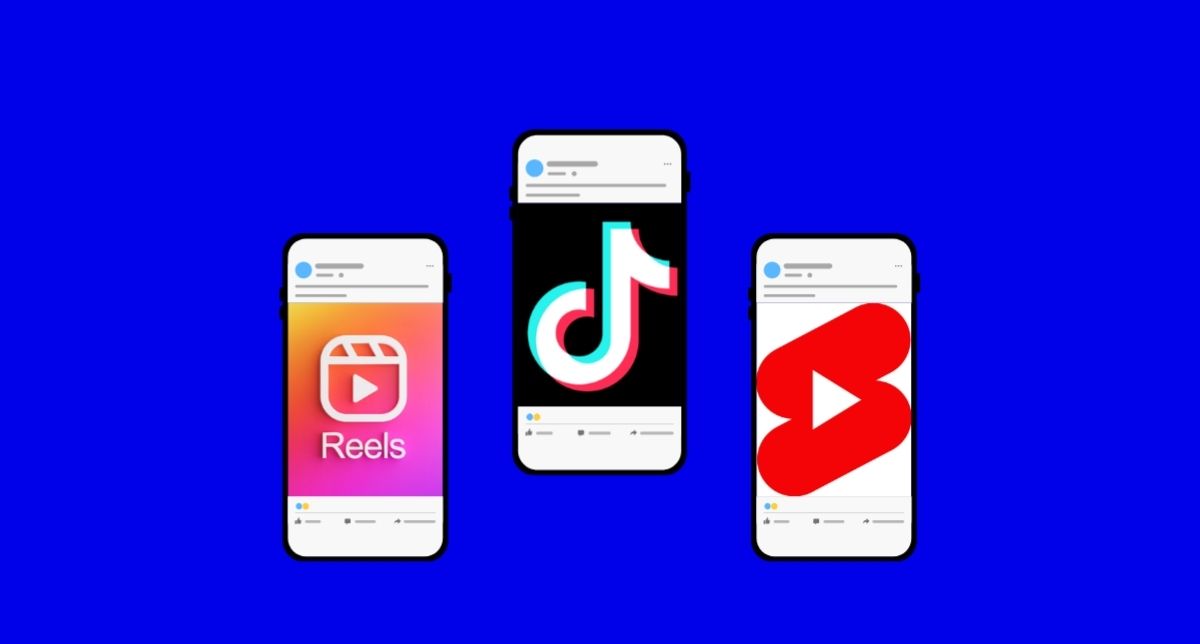
TikTok and Instagram still matter, but differently
.jpg)
Instagram and TikTok are not absent from AI search.
Public posts can sometimes appear when they are accessible and indexed, and Jellyfish’s research suggests content from both platforms is becoming more influential in AI answers.
However, much of their value still lies within app-first experiences, visual formats, comments, and platform environments that may be less accessible for web-based retrieval than a structured YouTube page or a written review.
That does not make short-form creator campaigns irrelevant.
A viral TikTok or Instagram Reel can trigger wider conversations that spread into sources AI engines can more easily retrieve:
- News coverage
- Product-review articles
- Reddit discussions
- YouTube reactions
- Podcasts
- Blog posts
- Brand pages embedding the creator content
The original post might have a brief peak in distribution.
Its cultural ripple effect can create a much longer searchable footprint.
Brands therefore need to stop evaluating creator content as a collection of isolated social posts. The strategic question is how the campaign contributes to the broader information environment surrounding the brand.
Creator recommendations could become the new backlink
Backlinks became valuable in traditional search because they helped search engines understand which websites other sources considered useful or authoritative.
Creator recommendations may play a comparable but not identical role in AI search.
A single vague product placement is unlikely to establish meaningful authority. But several relevant creators independently describing a product through consistent use cases, comparisons and experiences can create a clearer pattern.
That does not mean brands should flood the internet with manufactured praise.
AI visibility cannot be reduced to paying creators to repeat the same keyword-filled script. Search systems continue to prioritise helpful, reliable and people-first information, and inclusion in AI answers is never guaranteed.
The objective should be credible consistency, not artificial consensus.
The strongest creator content will include specificity, genuine experience, balanced comparisons and enough detail to answer the question properly.
Bad creator content does not become valuable because an AI system might find it.
It simply becomes bad content with a longer shelf life.
Creator marketing needs a second measurement layer
Reach, engagement, conversions and sales will remain important.
But brands may also need to measure whether creator activity changes how AI systems understand and recommend them.
That could introduce metrics such as:
- Share of model
- AI mention share
- Prompt visibility
- Citation frequency
- Category associations
- Competitor comparison visibility
- Recommendation sentiment
- Accuracy of brand and product descriptions
Instead of only asking whether a creator campaign reached consumers, marketers could test whether the brand begins to appear more frequently in high-intent prompts.
Does it appear when consumers ask for the best products in the category?
Which sources are cited?
Which attributes does the AI associate with the brand?
How does the answer change when the prompt is phrased differently?
AI answers vary between models, prompts, locations and repeated searches. Systems also change rapidly. Generative engine optimisation research has demonstrated that content changes can improve visibility, but the results differ significantly between domains and engines.
This is an emerging measurement discipline, not a predictable replacement for traditional SEO.
Creators are becoming part of AI search infrastructure
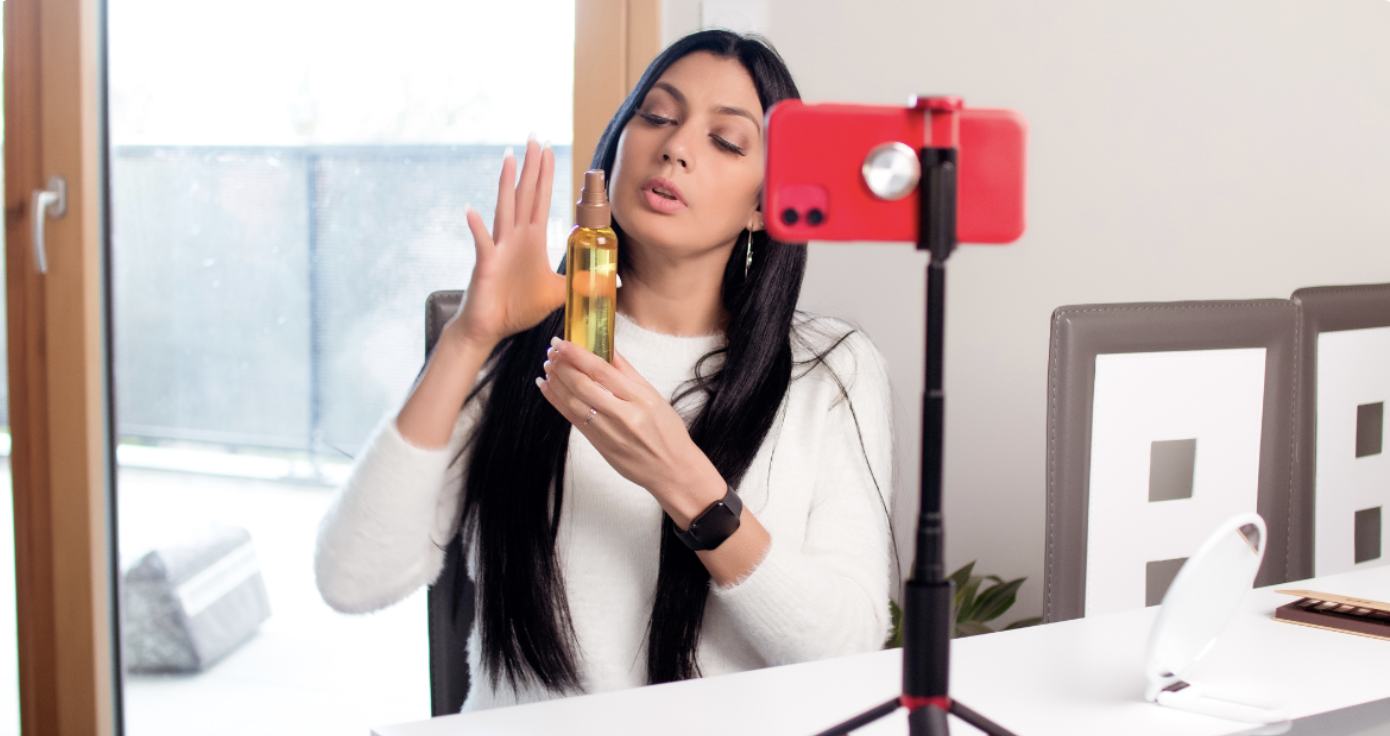
For years, creator marketing has been valued according to its immediate audience.
The people who watched. The people who engaged. The people who bought.
AI search extends the potential life of that influence.
A useful creator review may shape today’s purchase decision through the creator’s audience. It may later appear in a publisher article, generate discussion across the open web or become a supporting source in an AI-generated recommendation.
Creators are therefore doing more than distributing brand messages.
They are helping to establish public evidence that explains what a brand is, where it belongs, and why it should be considered.
The next creator marketing KPI may not simply be whether consumers saw the content. It may be whether AI learned enough from it to recommend the brand.
.jpg)
.png)
.png)
.jpg)


.jpg)
.jpg)
.jpg)
.jpg)


.jpg)








.png)
.png)












.png)
.png)
.png)
.png)
.png)
.png)
.png)
.png)
.png)
.png)
.png)
.png)
.png)
.png)
.png)
.png)
.png)
.png)
.png)
.png)