United States
 Australia
 United Kingdom
 Singapore
 Malaysia
 Thailand
 Indonesia


.jpg)
Short-form Marketing for Australian Brands: What Actually Works (based on evidence)
Why creator-led short-form ads outperform traditional brand creative—and how paid amplification scales what works across TikTok, Reels and Shorts.
Influencer marketing success is not about chasing every trend or producing more vertical slop.
With US creator ad spend projected to reach $44 billion (up 18% from 2025), curating a content strategy that feels native to the platform and audience is key to delivering results.
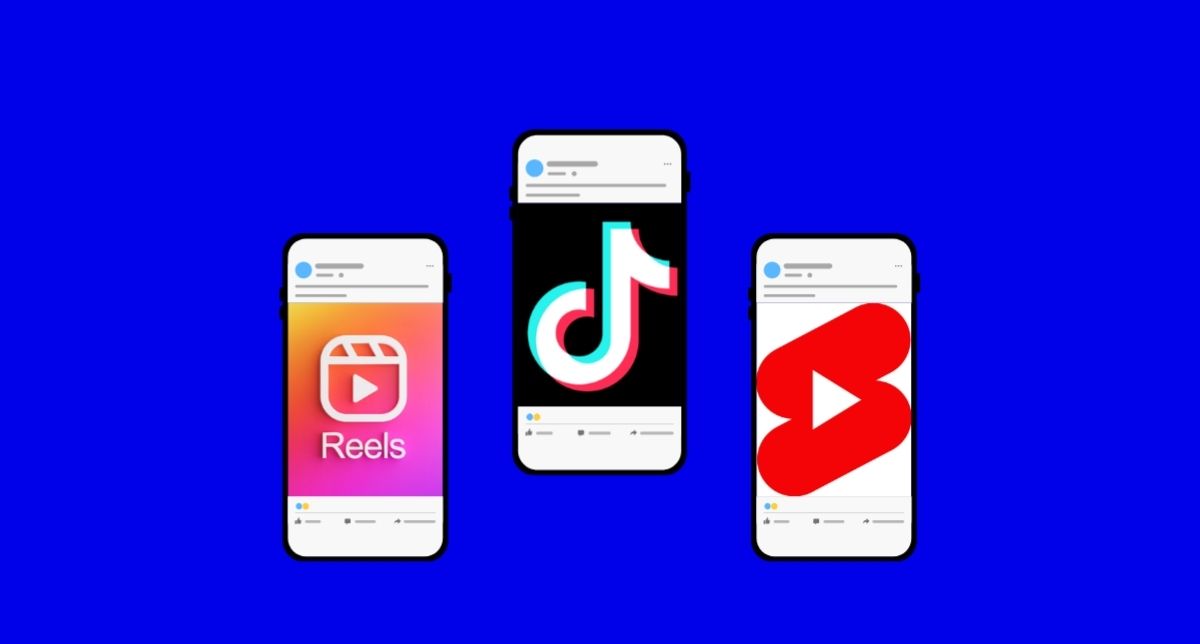
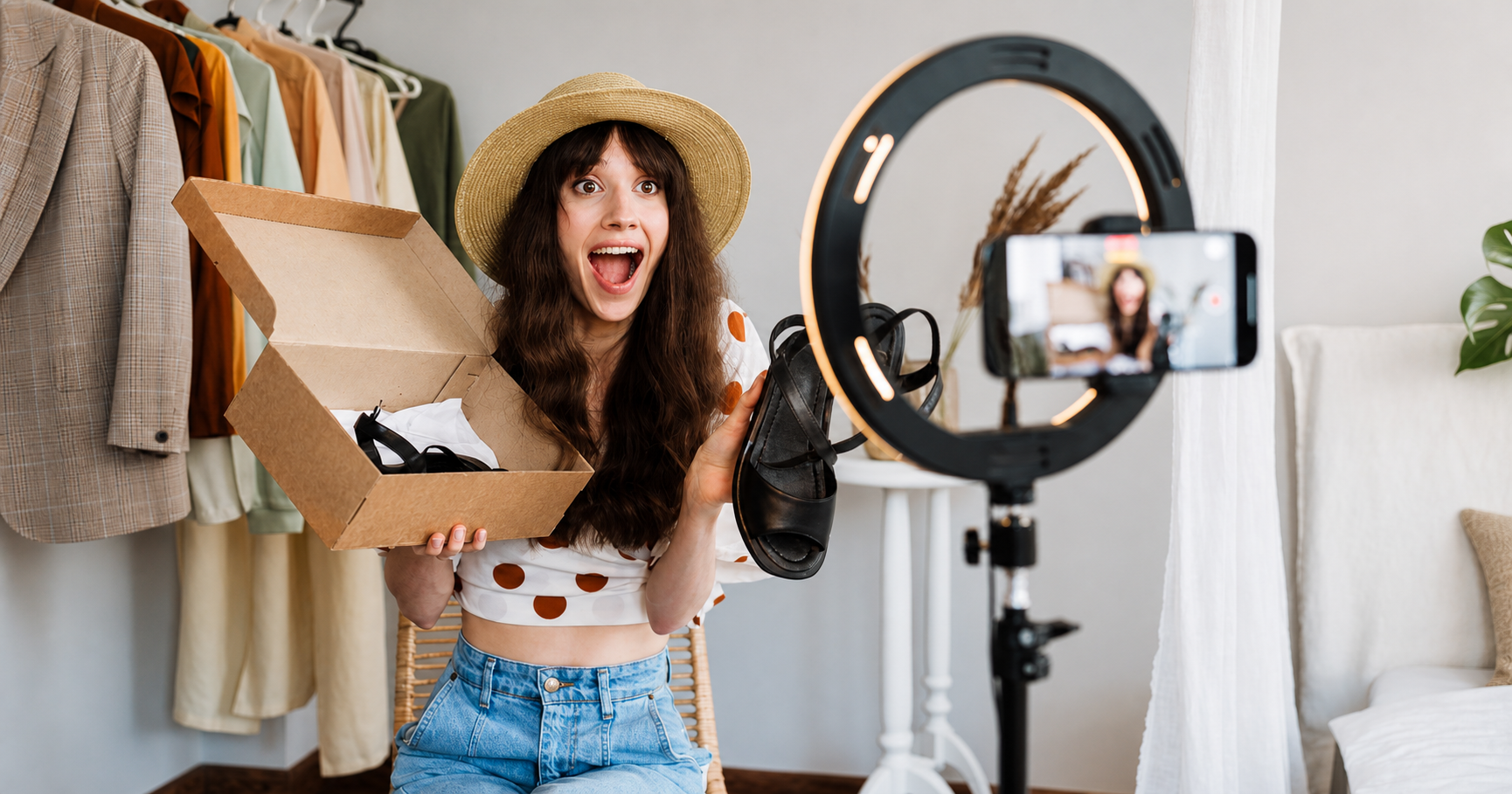
Consumers open TikTok, Instagram Reels and YouTube Shorts to watch people demonstrate products, share recommendations, react to culture and tell stories in formats native to the feed.
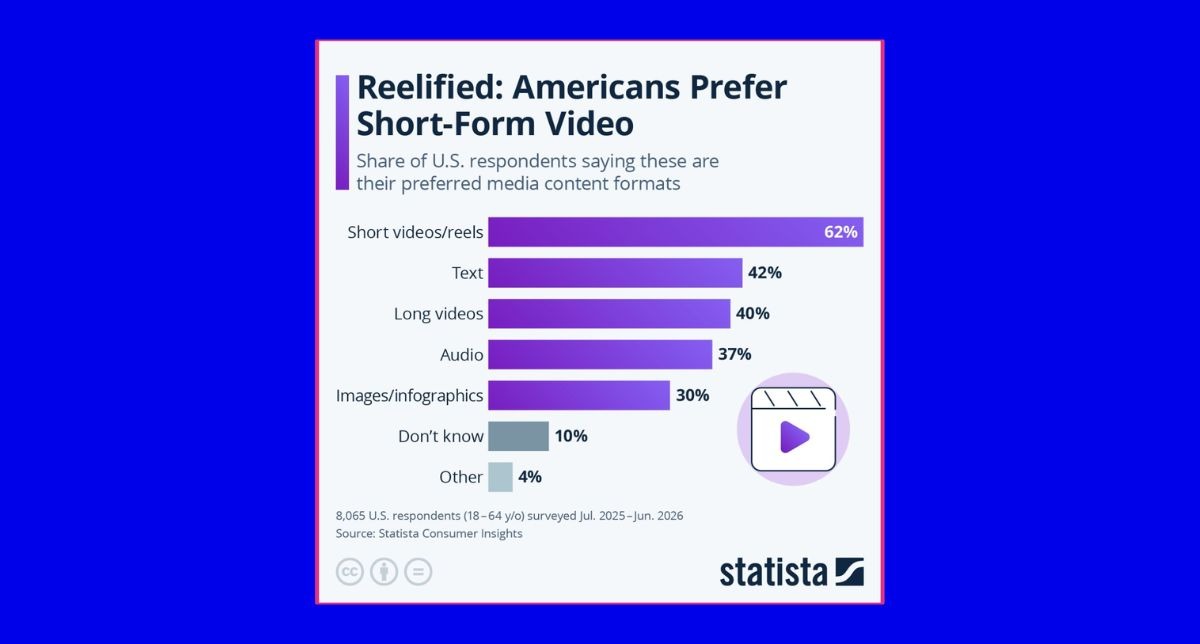
And reelifying content is the way to go, as Statista Consumer Insights' new data confirmed that over six in ten US-based adults prefer short videos or reels (20% more than long-form content).
That is why traditional brand advertising can feel so foreign.
A commercial may technically fit a 9:16 screen, but that does not mean it understands the platform on which it appears. It may still carry the pacing, scripting and creative conventions of television advertising into an environment built around creators.
The answer is not to hide the fact that something is an ad. It is to make advertising that people would still choose to watch.
Creator content and paid media should therefore not be treated as competing strategies. Creator content is the creative layer; paid media becomes the distribution layer.
Why do traditional ads feel out of place?

Traditional advertising usually begins with the message a brand wants to deliver. Short-form content begins with the audience’s reason to keep watching.
That reason might be curiosity, entertainment, useful information, a recognisable problem or a creator whose opinion the viewer already trusts.
The difference can be subtle but commercially significant.
Traditional brand creative may lead with a product claim, a campaign slogan, or a polished hero shot. Creator content is more likely to begin with a question, reaction, demonstration or unexpected visual that immediately gives the audience a reason to stay.
A vertical advertisement can fit the screen and still feel completely foreign to the feed.
Creator content understands the language of the platform
Creator content is effective because it follows the behaviours audiences are already familiar with.
That can include:
- Direct-to-camera storytelling
- Fast, platform-native hooks
- Product demonstrations
- Real reactions
- Trends and cultural formats
- Comment replies and community references
- Editing styles that feel familiar to the feed
These are not simply aesthetic production choices. They shape whether the content feels like part of the viewing experience or an interruption to it.
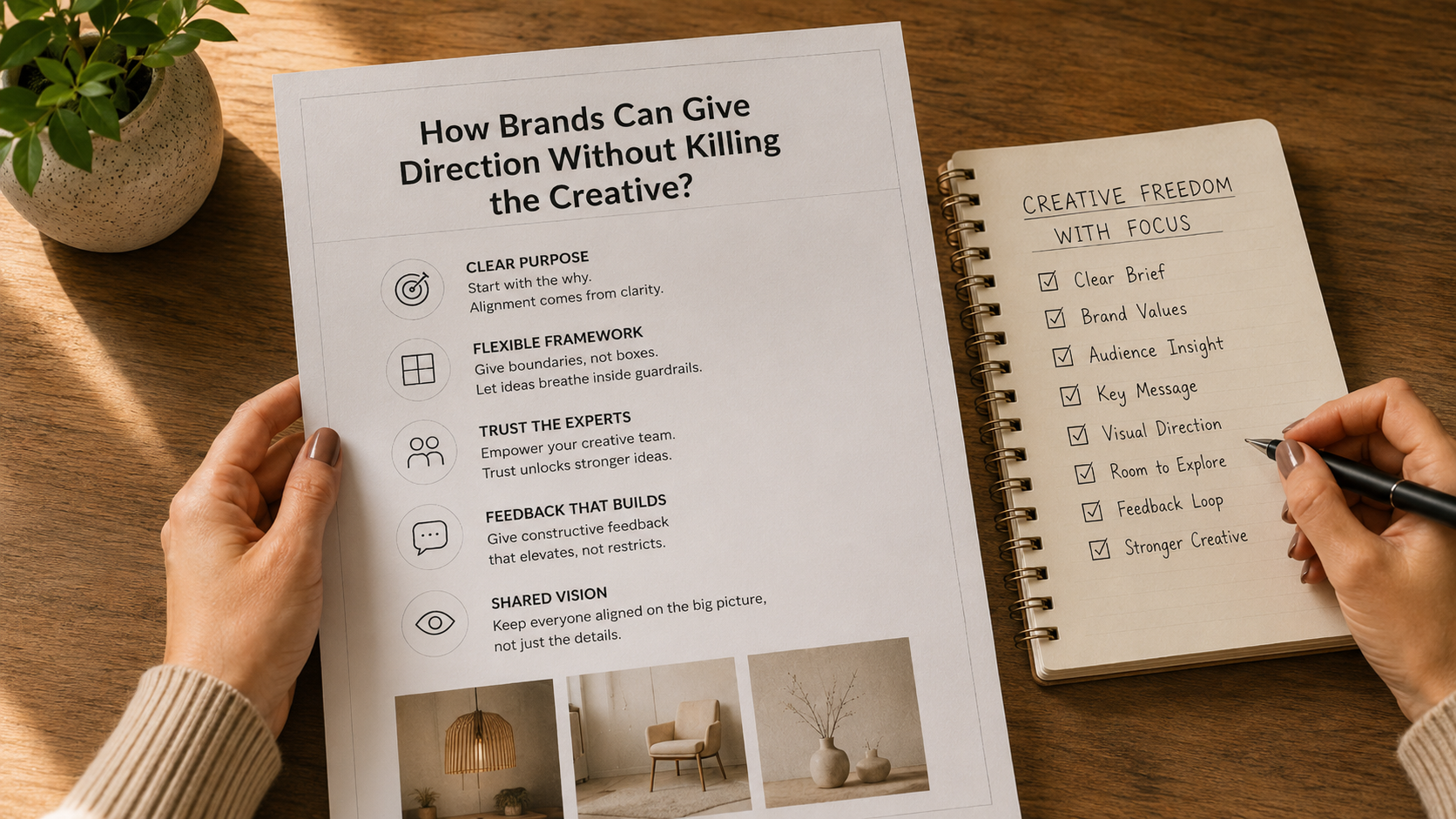
Creators also understand how much context their audiences need, when the product should appear and when a brand message starts to sound forced. Brands should still define the objective, product truth, mandatory claims and compliance boundaries.
But creators should have room to decide how and where the brand message enters the feed.
The creator should not be forced to adapt to the advertisement. The advertisement should adapt to the creator.
Organic creator content reveals what people choose to watch
Fabulate’s campaign for Subway’s Hot Honey Chicken range shows what this looks like organically.
Rather than adapting traditional advertising for social media, Subway partnered with food and lifestyle creators who could translate the product into content already familiar to their audiences.
One execution featured Jojo ASMR bringing the product to life through the soothing, sensory format his followers recognised. He was not pulled out of his natural content environment and placed inside a conventional advertisement. The brand proposition was transported into his world.
Throughout the campaign, close-up food shots, genuine reactions, and crave-led storytelling helped generate 2.1 million organic video views, a 6.44% average engagement rate, and more than 18,700 favourites.
Those results did more than demonstrate reach.
They gave the brand evidence of which creators, hooks and product angles audiences found memorable enough to like, share or save.
A view can be passive. A favourite suggests someone saw enough value to return. Organic creator content should therefore not be treated as the end of the campaign.
It should tell the brand what deserves to be amplified next.
Paid media should preserve what made the content work
The mistake brands can make is taking a successful creator asset, removing the creator’s identity and turning it into anonymous brand advertising.
That strips away much of the context that helped the content perform.
The stronger approach is to amplify the creator content while retaining the voice, identity and social proof attached to it.
On TikTok, Spark Ads use content published through real accounts. Likes, comments, shares, views and follows generated through amplification remain connected to the original post. TikTok’s analysis found that creators featured in 87% of its 200 highest-spending Spark Ads, with creator-led Spark Ads outperforming non-creator versions across click-through rate, view-through rate, engagement and revenue per thousand impressions.
The paid distribution does not disguise the content as organic.
It preserves the creator context that makes it feel native.
Paid media should scale creator behaviour, not erase it.
Estée Lauder shows what happens when trends meet amplification
Fabulate’s Estée Lauder campaign across Australia and New Zealand used creators to respond to emerging TikTok trends connected to beauty culture and self-expression.
The campaign did not attach trends to finished brand advertisements as an afterthought. It paired creators with trends that already suited their voices, audiences and content styles.
The creator content generated 3.6 million organic views before paid activity expanded the campaign to 26 million total views.
It also delivered a 19% six-second view-through rate, a 9.5% lift in ad recall and ad-recall results 2.2 times the benchmark.
The media investment did not make the creative native. It scaled creative that already understood the platform. Media cannot rescue content people do not want to watch. It can give effective content more opportunities to work.
Instagram Reels turns creator identity into social proof
The same principle applies to Instagram Reels, but the platform’s relationship-led environment changes how that creator credibility operates.
Reels are not encountered only through algorithmic recommendations. People receive them from friends, revisit creators they already follow and use likes, shares, comments and familiarity as signals of relevance.
Meta’s Partnership Ads allow brands to run ads with creators or other partners visibly attached to the campaign, preserving the identities of those involved rather than presenting the content solely through the brand.
Fabulate used that model for Castello’s Christmas campaign.
Four creator assets were amplified through Meta Partnership Ads, producing 11.5 million paid video views, 2,000 shares and 2,500 saves.
More importantly, the campaign delivered a 15.2-point lift in ad recall and a 4.9-point lift in purchase intent, approximately four times the relevant APAC and consumer-packaged-goods benchmarks.
The creators did not simply provide content for Castello’s social calendar. Their work became high-performing paid-media creative.
YouTube Shorts connects creator content with intent
YouTube Shorts introduces another audience behaviour.
A viewer may discover a product through a Short, continue into a longer review, compare alternatives and eventually subscribe to the creator for future recommendations.
That gives creator content a role beyond immediate reach.
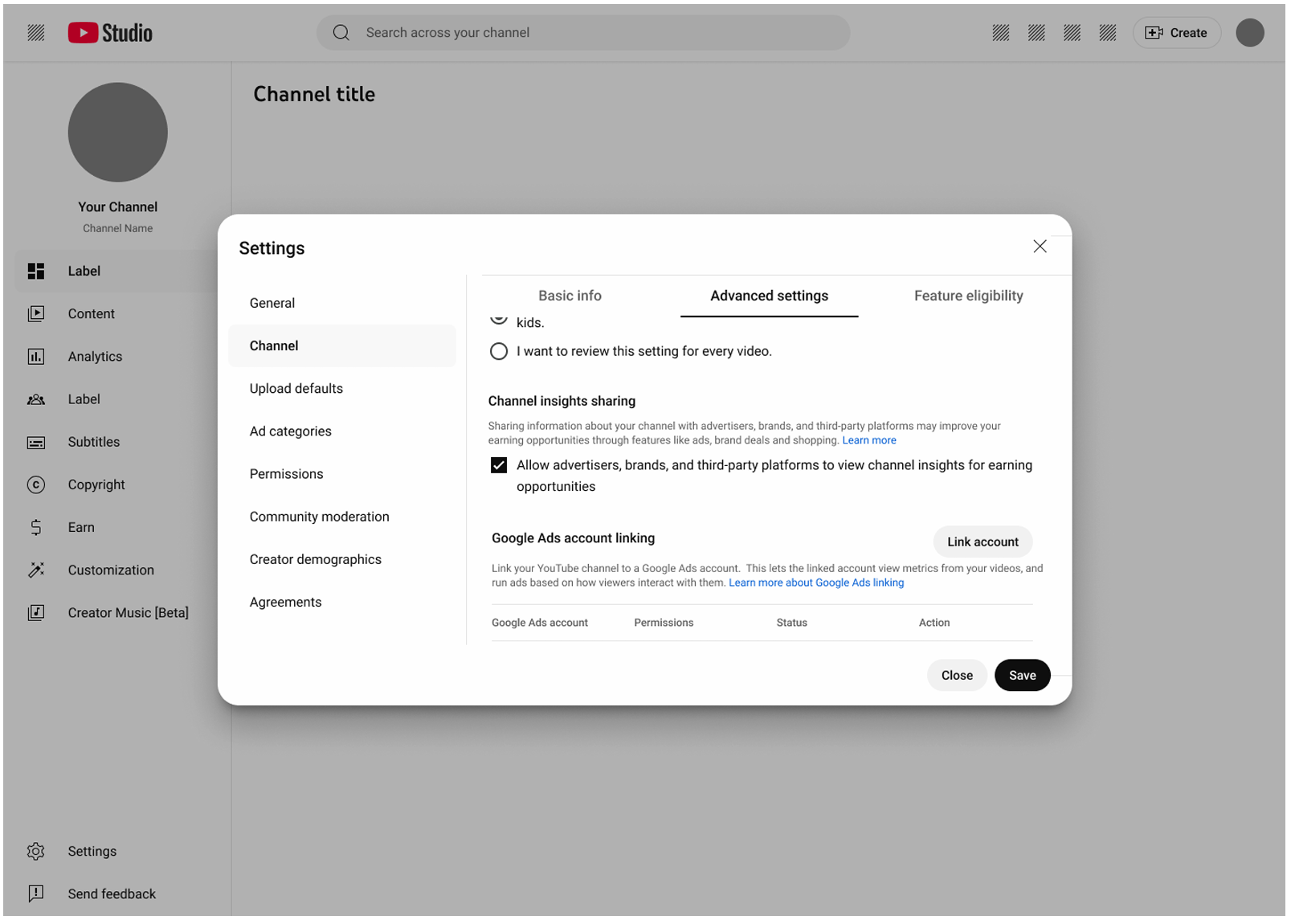
Google’s Creator Partnerships Boost allows advertisers to use organic creator videos in paid campaigns, including co-branded formats across Shorts. Brands can also access organic performance metrics and build audience segments using people who have watched the linked creator content.
Google reports that Creator Partnerships Boost produced an average 30% increase in conversion lift for Demand Gen campaigns while maintaining cost-per-acquisition efficiency compared with brand creative.
It also recommends testing the incremental value directly:
- Control: standard brand video creative
- Test: standard creative plus a creator partnership video
This enables brands to measure whether creator-led creative adds value rather than assuming that all vertical video performs the same way.
.jpg)
.png)
.png)
.jpg)



.jpg)
.jpg)
.jpg)
.jpg)

.jpg)









.png)
.png)










.png)
.png)
.png)
.png)
.png)
.png)
.png)
.png)
.png)
.png)
.png)
.png)
.png)
.png)
.png)
.png)
.png)
.png)
.png)
.png)