United States
 Australia
 United Kingdom
 Singapore
 Malaysia
 Thailand
 Indonesia


FAQ: Are AI Influencers the Future of Marketing?
AI is transforming creator production, but human creators still lead on trust, community and cultural relevance.
The ‘AI influencer honeymoon’ is over.
In 2023, marketers, creators and consumers were broadly optimistic about AI-generated creator content. But while industry investment has continued to climb, audience enthusiasm has moved sharply in the opposite direction.
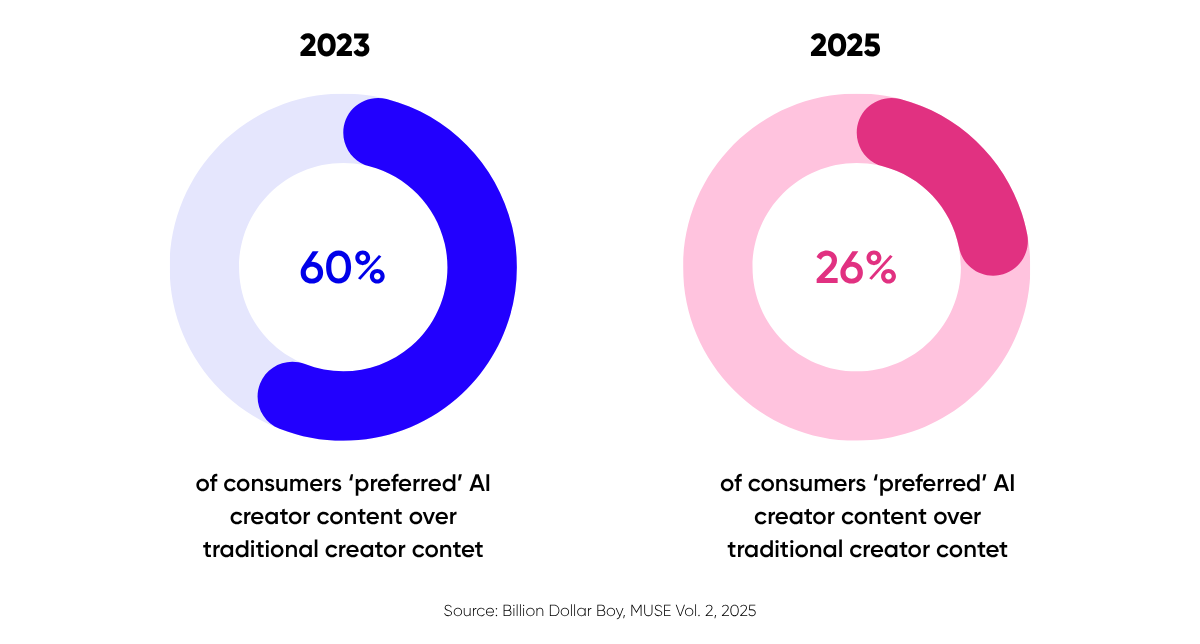
Billion Dollar Boy’s MUSE Vol. 2 report found that consumer preference for AI-generated creator content fell from 60% in 2023 to just 26% in 2025, even as 73% of marketers increased spending on generative AI and the same proportion of creators remained positive about using it.
That widening gap tells us something important: brands are excited by AI’s speed, scale and efficiency, but audiences are becoming far more selective about what they trust.
That is why the debate should not be framed as a war between virtual influencers and human creators.
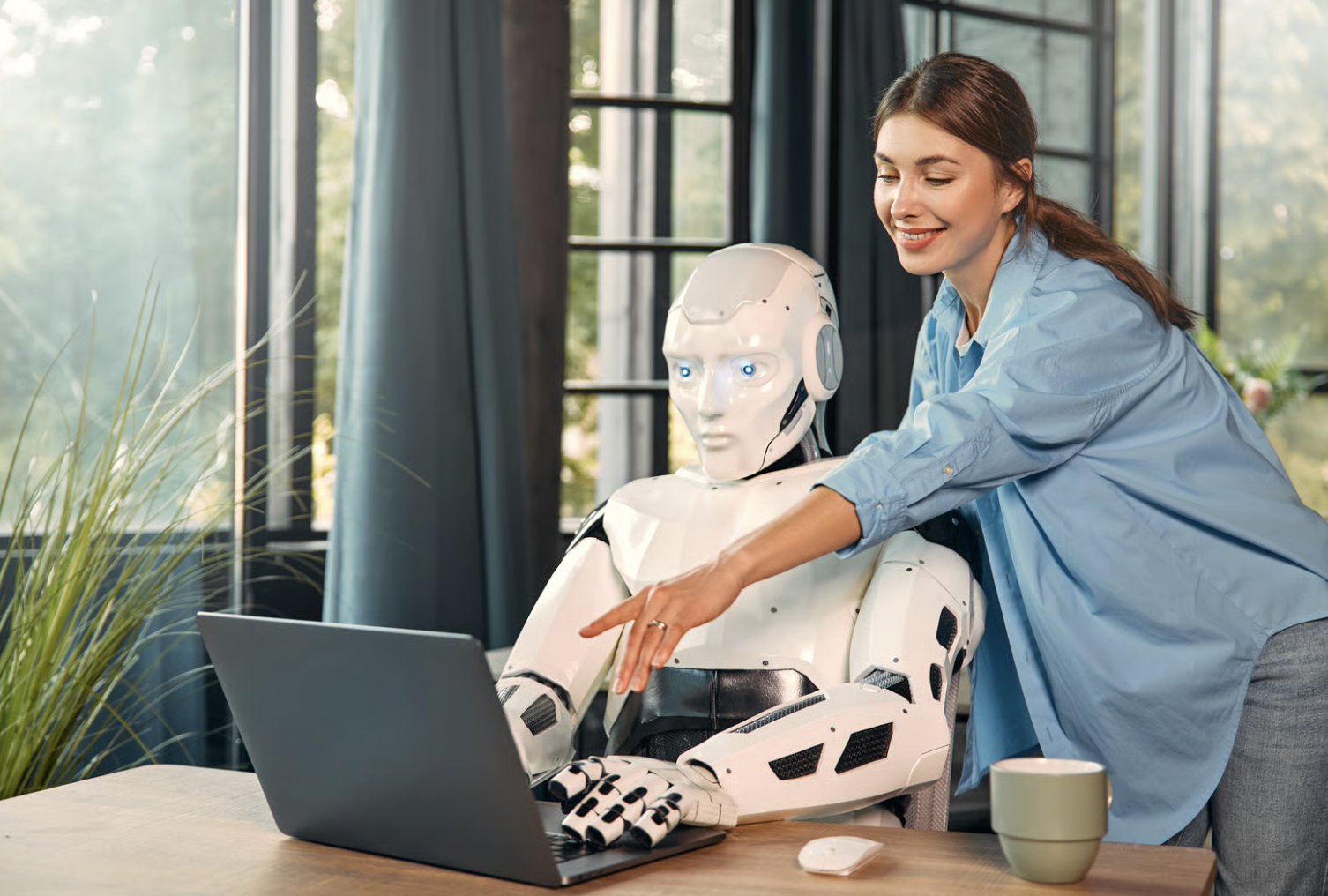
The smarter question is: which production tasks should AI handle, and where do humans remain essential?
AI is exceptional at producing volume. Human creators remain strongest at generating ideas, building communities and shaping culture.
Those are different jobs.
Where does AI add the most value?
AI can reduce the time and cost required to produce creator content at scale.
Product explainers, localised versions, retailer-specific assets, seasonal adaptations and creative variations can now be produced much faster than traditional workflows allow.
Fabulate is already applying these capabilities through its work as an API partner of TikTok Symphony. It has also integrated Seedance video models into its production workflows, enabling brands to adapt existing creator content and generate additional assets at scale.
The technology is improving quickly. But faster production does not automatically create better marketing.
AI still needs a strong idea to work from. It needs a clear objective, audience insight and creative direction.
Bad content does not become good because AI produced it faster. It simply becomes easier to produce more of it.
Why do human creators still matter?
AI can analyse trends, replicate formats and produce countless versions of an asset.
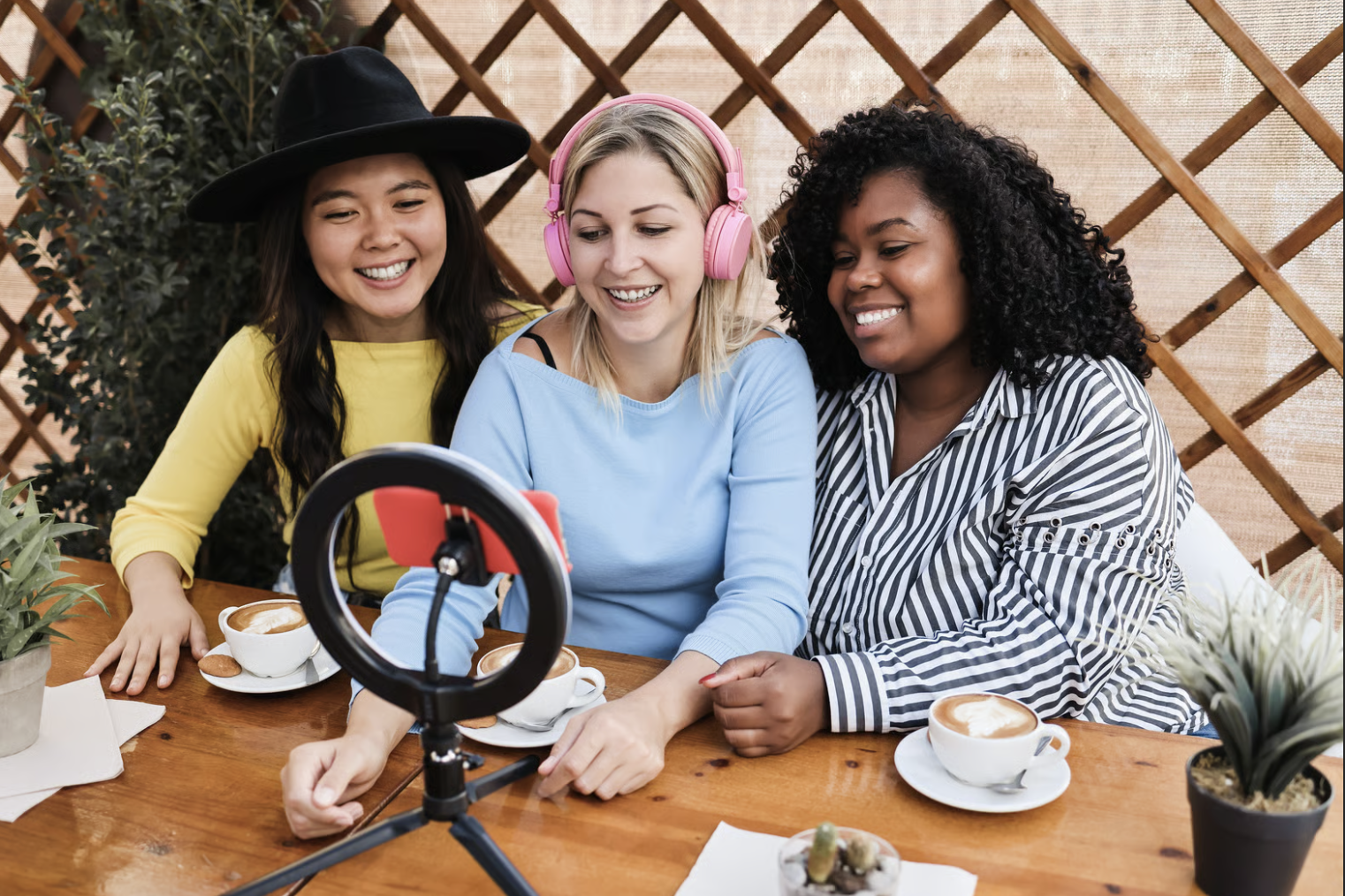
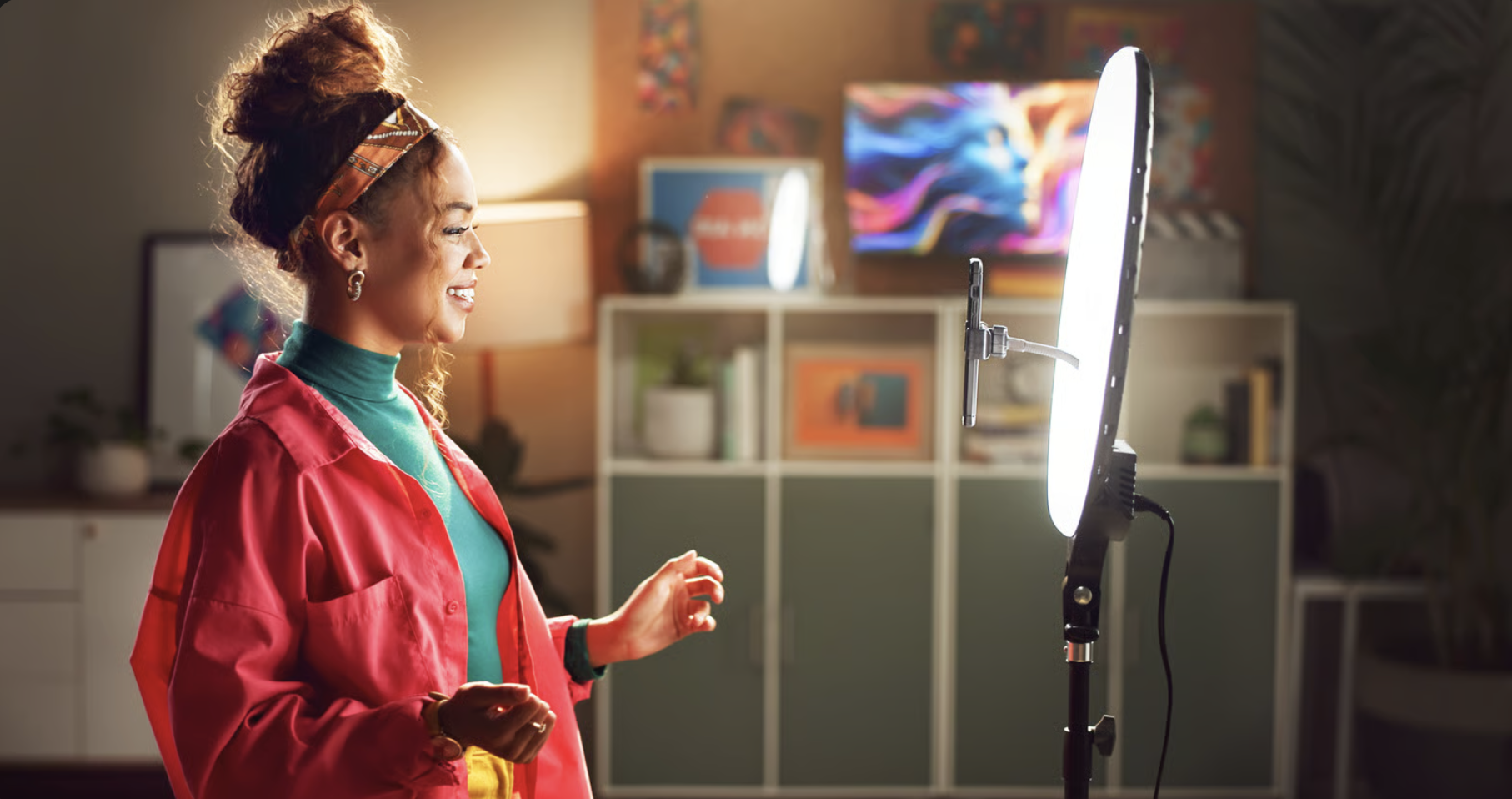
Human creators are still the ones participating in culture.
They spot emerging behaviours, build communities, share opinions and document experiences that audiences care about. They create the jokes, formats and conversations that algorithms later distribute.
That is the difference between content production and influence.
Influence is not simply the ability to publish something convincing. It is the ability to make an audience care enough to listen, trust or act.
Human creators bring personality, taste, imperfection and lived experience. Those qualities are built through repeated interactions with an audience over time.
An AI personality can demonstrate a skincare routine. It cannot experience acne.
It can promote a destination. It cannot remember the trip. It can explain a financial product. It cannot understand the anxiety behind a major financial decision.
AI can simulate the appearance of influence. It cannot fully replicate the experience behind it.
Can virtual creators close the authenticity gap?
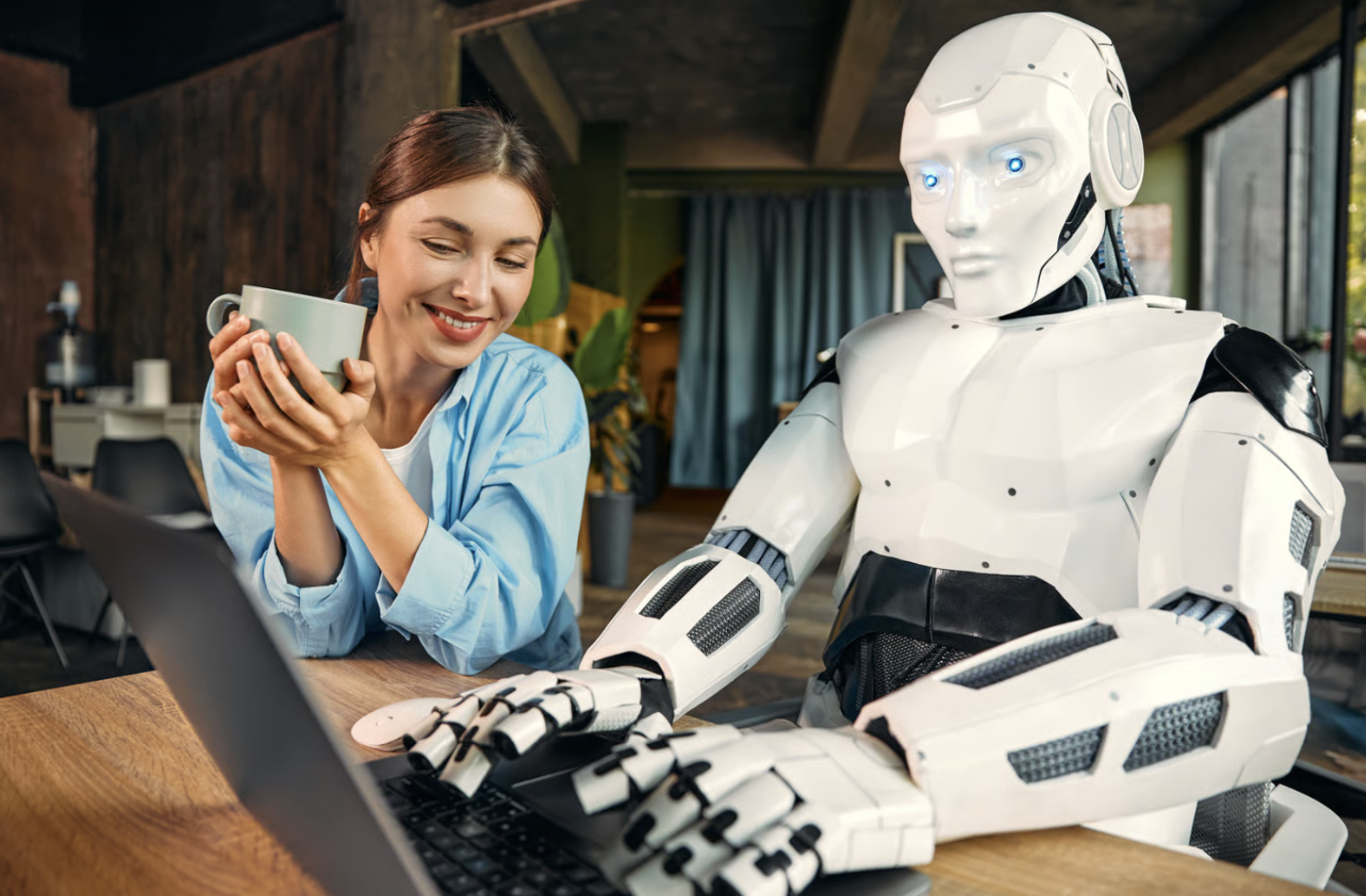
Influencer marketing is word-of-mouth at scale. Its value comes from people recommending products through relationships that feel credible and earned.
AI influencers complicate that model because there is no lived experience behind the endorsement - just a human appearance.
That does not make virtual creators valueless.
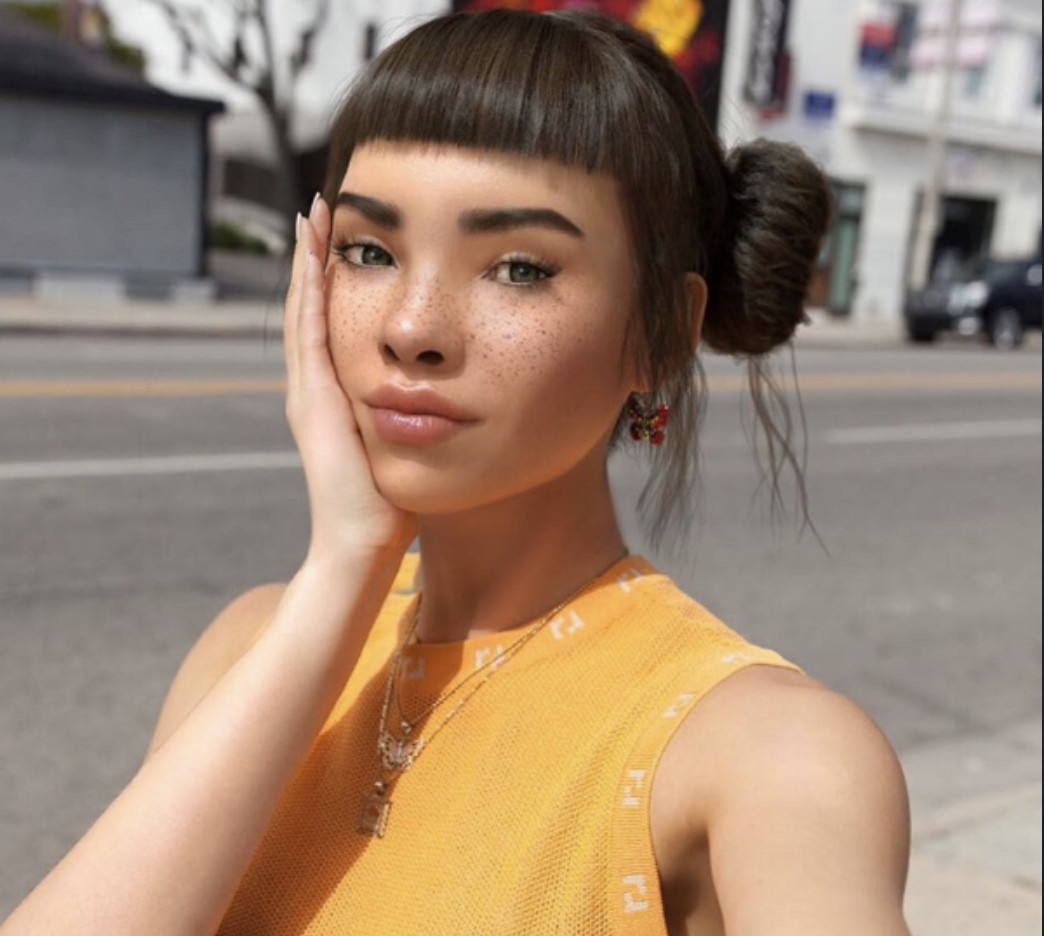
They can add value as fictional characters, entertainers, virtual brand ambassadors or brand-owned intellectual property. They can support localisation, scalable storytelling and tightly controlled campaign environments.
The problem begins when a manufactured endorsement is presented as a genuine personal recommendation.
A virtual character can deliver a message. That does not automatically mean audiences will trust it.
How transparent should brands be about AI?
As virtual creators and synthetic media become more realistic, transparency becomes essential.
Audiences should understand when a personality, voice, image or endorsement has been generated or materially altered using AI.
Consent matters too.
When a brand uses a creator’s face, voice, likeness or existing work to train or operate an AI system, that creator should have explicitly agreed to it.
AI should not be used as a shortcut to recreating someone’s identity without permission – there have been recent cases that blur the line between AI-assisted content and AI-generated replacement talent.
Kiwi fashion brand Huffer was accused of using AI-assisted images resembling models it had previously worked with in a marketing campaign. Model Elijah Timmins-Scanlon claimed the images were not just a resemblance of him but appeared to “combine” elements of both him and his brother.
The same principle applies to audiences. Many consumers are willing to engage with AI-generated content when its origins are clear. The risk grows when they feel deliberately misled.
When should brands still prioritise human creators?
The suitability of an AI influencer depends heavily on the campaign.
A virtual personality may work well for entertainment, gaming, fashion, fictional storytelling or a brand-owned digital universe.
It may be less convincing when the message depends on personal experience, vulnerability or genuine transformation.
Health, finance, travel and high-consideration products often require more than accurate information. Audiences may want context, judgment, and proof that the person speaking understands the decision involved.
An AI influencer can repeat product information.
That is not the same as having used the product, faced the problem or experienced the outcome.
The question should not simply be whether AI can create the asset. It should be whether AI is the right medium for the message.
Are AI influencers really influencers?
The term “AI influencer” may not always be the most accurate description.
In many cases, these personalities are closer to digital characters, virtual ambassadors or synthetic media properties.
Brands have used fictional characters for decades. AI makes those characters more responsive, adaptable and capable of producing content continuously.
That can create real marketing value.
But it remains different from human creator marketing.
Virtual creators are primarily built around production efficiency, consistency and brand control.
Human creators are built around trust, community and cultural participation.
Treating the two as interchangeable misunderstands what each is designed to deliver.
Can too much AI content become a liability?
The ability to generate endless content can quickly become a weakness.
As more low-quality AI slop enters social feeds, originality and personality become more valuable. Repetitive, synthetic content may be cheap and fast, but it gives audiences little reason to stop, care or return.
The more content becomes automated, the more distinctive human voices stand out.
The more perfect virtual personalities appear, the more audiences may value real imperfection.
And the more brands can produce, the more important it becomes to have an idea worth producing.
AI should help scale good creative. It should not become an excuse to flood feeds.
Will AI influencers replace human creators?
AI influencers are unlikely to replace human creators entirely. They are more likely to become a separate category within marketing.
AI can handle localisation, adaptation, versioning, testing and production at scale. Human creators can continue to provide the ideas, experiences, relationships, and cultural credibility that make the content worth watching.
The strongest strategies will combine both.
AI can extend successful creator ideas, adapt content for different markets and remove production bottlenecks.
Human creators can remain at the centre of the relationship between the idea and the audience.
Creator marketing works because people influence people. AI can manufacture content, characters and scale.
Trust still has to be earned.

.jpg)
.png)
.png)
.jpg)

.jpg)
.jpg)
.jpg)
.jpg)
.jpg)

.jpg)






.png)
.png)





.png)
.png)
.png)
.png)
.png)
.png)
.png)
.png)
.png)
.png)
.png)
.png)
.png)
.png)
.png)
.png)
.png)
.png)
.png)
.png)