United States
 Australia
 United Kingdom
 Singapore
 Malaysia
 Thailand
 Indonesia



Stop measuring long-form creator content like short-form social
Brands are measuring short-form and long-form creator content the same way. Here’s why each format needs its own ROI framework.
Influencer marketing is not short on metrics. It has a problem knowing which ones matter.
A 20-second TikTok and a 20-minute YouTube video may both sit inside a creator campaign, but they are not the same product - they demand different creative skills, produce different audience behaviours and create value over very different timelines.
Yet brands often place them inside the same reporting dashboard and expect both to deliver the same kind of return.
Fabulate’s Nathan Powell (co-founder and chief product and strategy officer) says that it is one of the biggest mistakes marketers make.
“Short-form and long-form content do fundamentally different jobs,” Powell said.
Short-form is built to capture attention quickly and earn distribution through recommendation algorithms. Long-form gives creators space to explain, educate, entertain and build relationships over time.
The strongest creator strategies understand the difference - use both formats accordingly.
Short-form proves you can earn attention
.png)
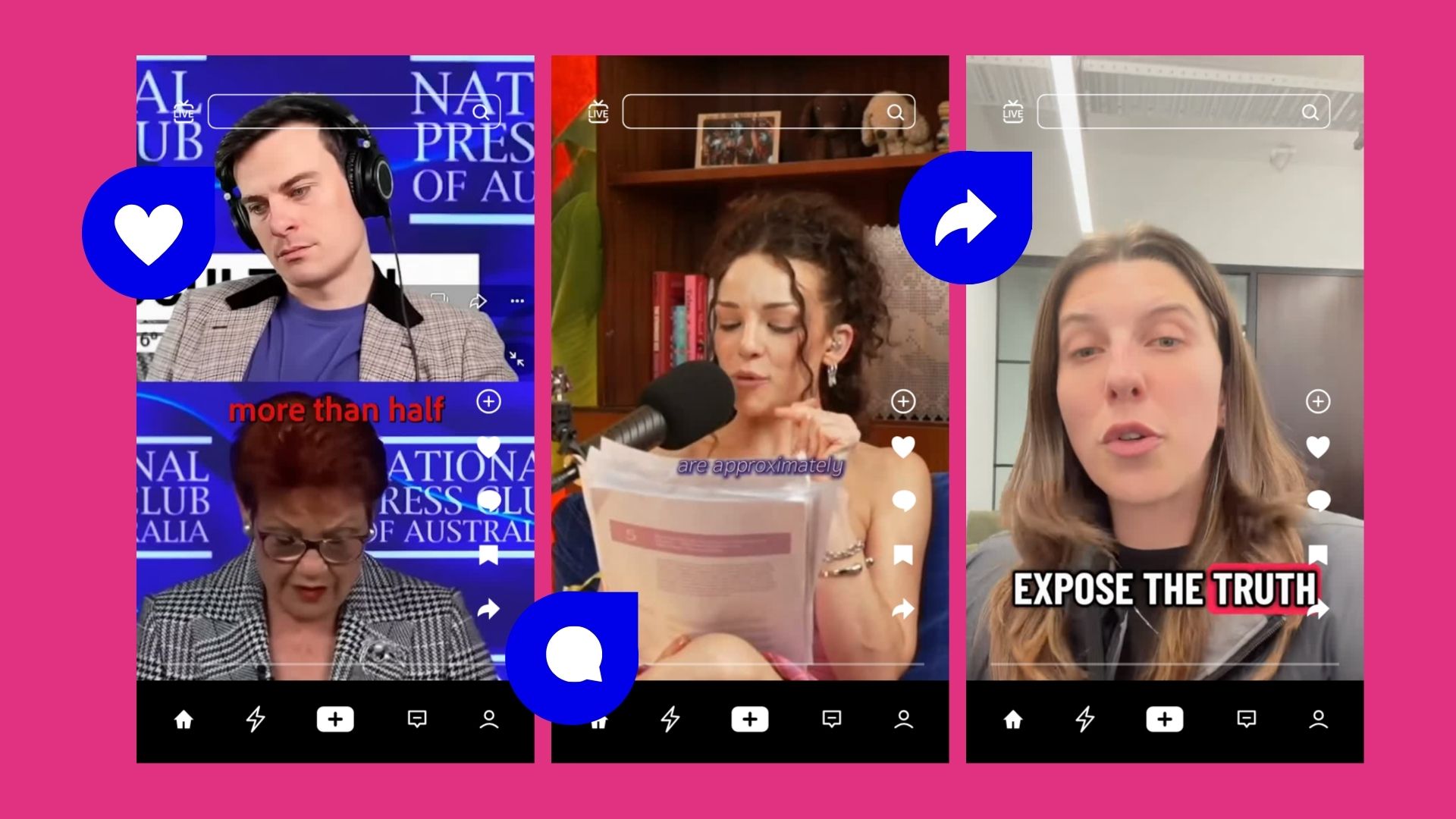
Short-form is where discovery happens.
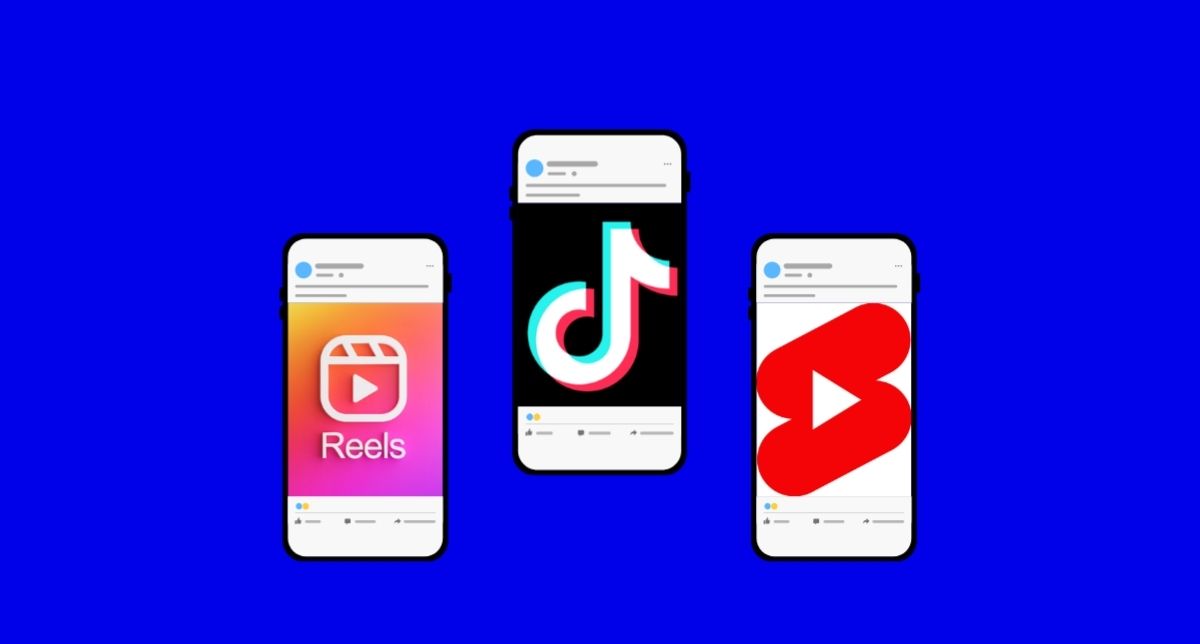
A TikTok, Reel or YouTube Short can introduce a creator, product or idea to millions of people within hours.
Its strength lies in speed: stopping the scroll, entering culture and generating immediate audience feedback.
“Short-form proves that you can earn attention,” Powell said.
“It tells you whether an idea is culturally relevant enough to stop people scrolling. It’s exceptional at generating awareness, participation and conversation at scale.”
It also gives marketers a rapid creative feedback loop. Brands can quickly identify which hooks, messages, formats and creator styles are resonating before applying those learnings elsewhere.
For short-form content, reach, completion rate, engagement and shares can help show whether the creative earned attention and algorithmic distribution.
But attention is only the beginning.
Long-form proves people are willing to invest time
.png)
Long-form asks more from the audience.
Watching a creator for 10 or 20 minutes is fundamentally different from pausing on a 20-second clip. The audience is not simply noticing the creator. They are choosing to spend time with them.
“Watch time is one of the strongest signals of engagement because time is the one thing audiences can’t fake,” Powell said.
That additional time gives creators room to explain a product properly, demonstrate it in context, answer objections and build genuine credibility.
Consumption habits are also changing. While long-form content can be watched anywhere, YouTube increasingly lives on connected televisions in the living room, making parts of the platform feel closer to traditional programming than social scrolling.
Powell says long-form is the “closest digital equivalent” to traditional television programming, with the addition of the authenticity and community that creators bring.
For long-form content, brands should place greater emphasis on average view duration, percentage viewed, returning viewers, subscriber growth, and audience retention.
These metrics reveal something short-form views often cannot: whether people stayed.
Brands are confusing fast attention with real influence
Fast reach can look impressive in a campaign report.
But millions of views do not automatically mean that millions of people changed their opinions, remembered the brand, or moved closer to buying.
“Vanity metrics like views and likes can sometimes overstate the actual commercial influence a creator has,” Powell said.
“A video can generate millions of impressions without changing anyone’s opinion or behaviour.”
Real influence sets a higher bar. It is whether someone trusts a creator enough to change what they think, buy or do.
That does not make attention unimportant. Without attention, influence cannot begin. But measuring success at the point of reach risks ignoring everything that should happen afterwards.
Short-form can generate curiosity. Long-form can turn that curiosity into understanding.
Short-form creates the spike. Long-form can compound
The formats also create value across different timelines.
A TikTok or Instagram Reel often generates most of its activity in the first few days after publication. A YouTube video can continue to attract search traffic, recommendations, and meaningful views months or even years later.
That means brands are not only confusing formats. They are confusing timelines.
Short-form ROI often appears quickly. Long-form value may accumulate.
A short-form video can show whether a message travelled. A long-form video can reveal whether it landed. Judging both within the same reporting window can make short-form appear more effective simply because its results arrive faster.
A subscriber signals more than audience size
The difference also appears in how audiences connect with creators.
Following someone on a short-form platform can happen casually after one entertaining post.
Subscribing to YouTube is generally a more deliberate decision built around the expectation of repeat viewing.
“YouTube subscribers are effectively raising their hand and saying, ‘I want more of this creator,’” Powell said.
“That relationship tends to be deeper because it’s built around repeat viewing rather than endless algorithmic discovery.”
That does not make one platform inherently better than another. They are designed to encourage and induce different behaviours.
To simply put it: “Followers measure audience. Subscribers often measure commitment.”
High-consideration products need time
The difference becomes particularly important when the product requires explanation.
A snack, entertainment release or low-cost impulse purchase may benefit from short-form visibility.
Financial products, cars, enterprise software, and premium technology require audiences to understand their features, trade-offs, and value before making a decision.
That cannot always happen in 30 seconds.
Long-form gives creators the space to demonstrate products, address concerns and tell credible stories that help audiences make informed choices.
“Marshall McLuhan famously said, ‘The medium is the message.’ I think that’s still true today,” Powell said.
“The format you choose shapes how your audience experiences your brand. Short-form is brilliant for generating curiosity. Long-form is where trust is built, and trust is ultimately what drives high-consideration decisions.”
How should brands measure ROI?
.png)
Brands should not choose between short-form and long-form. They should stop expecting them to perform the same role.
Short-form should be evaluated on its ability to create discovery, attention, conversation and rapid creative signals. Long-form should be judged on depth, retention, trust, search value and its ability to influence consideration over time.
Both formats should ultimately connect to commercial outcomes such as website traffic, conversions, brand lift and sales.
But the audience behaviours leading to those outcomes will not look the same.

.jpg)
.png)
.png)
.jpg)




.jpg)
.jpg)
.jpg)
.jpg)

.jpg)


.jpg)







.png)
.png)















.png)
.png)
.png)
.png)
.png)
.png)
.png)
.png)
.png)
.png)
.png)
.png)
.png)
.png)
.png)
.png)
.png)
.png)
.png)
.png)